

کتاب Focus on vocabulary جلد 2
chapter 27
لغات هدف
| English | Persian |
|---|---|
| aggregate | جمعآوری کردن، انباشتن |
| coordinate | هماهنگ کردن |
| intervene | مداخله کردن |
| prospect | چشمانداز، احتمال |
| analogy | تشبیه، مشابهت |
| definite | قطعی، مشخص |
| likewise | بهطور مشابه، همچنین |
| ratio | نسبت، تناسب |
| circumstance | شرایط، وضعیت |
| depress | افسرده کردن، کاهش دادن |
| logical | منطقی |
| react | واکنش نشان دادن |
| commence | شروع کردن، آغاز کردن |
| hierarchy | سلسلهمراتب |
| offset | جبران کردن، معادل |
| release | آزادسازی، رهاسازی |
| conceive | تصور کردن، درک کردن |
| hypothesis | فرضیه |
| phenomenon | پدیده، واقعه |
| temporarily | موقتی |
| concurrent | همزمان |
| imposing | تحمیل کردن، سختگیرانه |
| positive | مثبت |
| unified | یکپارچه |
Why do some animals live together in "social" groups, while others are solitary?
چرا برخی حیوانات در گروههای «اجتماعی» زندگی میکنند، در حالی که برخی دیگر تنها هستند؟
According to recent research, there are concurrent costs and benefits to living in social groups.
بر اساس تحقیقات اخیر، زندگی در گروههای اجتماعی همزمان دارای مزایا و معایبی است.
We human beings are social creatures who live in largely hierarchical societies, where people perform certain cooperative roles according to their rank and in order to preserve the community.
ما انسانها موجوداتی اجتماعی هستیم که در جوامعی عمدتاً سلسلهمراتبی زندگی میکنیم، جایی که افراد بر اساس جایگاه خود نقشهای همکاری خاصی را برای حفظ جامعه ایفا میکنند.
As humans, we like to flatter ourselves into believing that our social behavior is the "most advanced" way of life, and by analogy, also the best kind of behavior for animals.
ما انسانها دوست داریم خود را با این باور راضی کنیم که رفتار اجتماعیمان «پیشرفتهترین» شیوه زندگی است و بهطور مشابه، این بهترین نوع رفتار برای حیوانات نیز هست.
It may be difficult for us to conceive of a situation in which social living is not advantageous.
برای ما دشوار است تصور کنیم شرایطی وجود دارد که در آن زندگی اجتماعی سودمند نباشد.
However, although it is true that living and cooperating with others has a variety of benefits, we will see that social behavior is not inherently superior to solitary behavior in the animal kingdom.
با این حال، هرچند زندگی و همکاری با دیگران مزایای متعددی دارد، خواهیم دید که رفتار اجتماعی ذاتاً برتر از رفتار انفرادی در قلمرو حیوانات نیست.
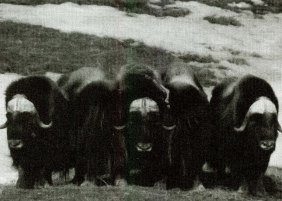
Sociality gives certain creatures definite advantages.
رفتار اجتماعی برای برخی موجودات مزایای مشخصی به همراه دارد.
Black-headed gulls, for example, capture food more easily when they hunt in flocks rather than forage by themselves.
برای مثال، مرغهای دریایی سرسیاه زمانی که بهصورت دستهجمعی شکار میکنند، راحتتر از زمانی که به تنهایی به دنبال غذا میگردند، طعمه به دست میآورند.
A pride of lions acting in a unified manner can better defend a hunting territory than a single lion can.
گروهی از شیرها که بهصورت هماهنگ عمل میکنند، بهتر از یک شیر تنها میتوانند از قلمرو شکار خود دفاع کنند.
A pair of birds can often care for its young better than a single parent can; one parent can guard the nest while the other is temporarily released from this responsibility in order to gather food.
اغلب یک جفت پرنده بهتر از یک والد تنها میتواند از جوجههای خود مراقبت کند؛ یکی از والدین میتواند از لانه محافظت کند، در حالی که دیگری برای جمعآوری غذا از این وظیفه موقتاً رها میشود.
And social animals that are preyed upon by others can often coordinate their efforts to repel an enemy more effectively than solitary animals can.
و حیوانات اجتماعی که مورد شکار دیگران قرار میگیرند، اغلب میتوانند تلاشهای خود را برای دفع دشمن مؤثرتر از حیوانات تنها هماهنگ کنند.
But if sociality is so beneficial, why are social species so few and far between in most species of animals?
اما اگر زندگی اجتماعی اینقدر سودمند است، چرا گونههای اجتماعی در میان بیشتر گونههای حیوانی اینقدر نادر و پراکندهاند؟
Perhaps because there are many ecological conditions for which the negative effects of living together exceed the positive ones.
شاید به این دلیل که در بسیاری از شرایط زیستمحیطی، اثرات منفی زندگی گروهی از مزایای آن بیشتر است.
There is no doubt that social life can create extra competition for food, as well as the risk that social foragers will be exploited by others within the group, as is true with lions.
تردیدی نیست که زندگی اجتماعی میتواند رقابت بیشتری برای غذا ایجاد کند، و همچنین خطر اینکه اعضای گروهی که به دنبال غذا میگردند مورد سوءاستفاده دیگران در همان گروه قرار بگیرند—همانطور که در مورد شیرها صادق است.
Likewise, animals that live together often face reproductive competition from other group members.
به همین ترتیب، حیواناتی که با هم زندگی میکنند، اغلب با رقابت تولیدمثلی از سوی سایر اعضای گروه مواجه میشوند.
For example, the destruction of eggs is a regular phenomenon within societies of the acorn woodpecker, a bird that forms groups containing as many as three breeding females and four breeding males.
برای مثال، تخریب تخمها پدیدهای رایج در جوامع دارکوب بلوط است—پرندهای که گروههایی متشکل از تا سه ماده و چهار نر زادآور تشکیل میدهد.
The females place their eggs all in the same nest, from which individuals remove and destroy the eggs of their "cooperatively breeding" companions, as females try to maximize the chances of their own offspring!
مادهها تخمهای خود را همگی در یک لانه میگذارند، و سپس برخی از افراد تخمهای «همکاران زادآور» خود را برمیدارند و نابود میکنند، چرا که هر ماده تلاش میکند شانس بقای فرزندان خودش را به حداکثر برساند!
Still another cost of sociality is the increased prospect of brood parasitism, as the cliff swallow demonstrates.
یکی دیگر از هزینههای زندگی اجتماعی، افزایش احتمال انگلزایی تولیدمثلی است، همانطور که در پرستوی صخرهای دیده میشود.
This bird nests in groups ranging from a couple of breeding pairs to over 3,000 individuals, with the swallows building their mud nests side by side under overhanging cliffs, bridges, and culverts.
این پرنده در گروههایی متشکل از چند جفت زادآور تا بیش از ۳۰۰۰ فرد آشیانه میسازد و پرستوها لانههای گِلی خود را کنار هم، زیر صخرههای آویزان، پلها و لولهها میسازند.
The females sometimes slip into neighboring nests to lay eggs.
مادهها گاهی به طور پنهانی وارد لانههای همسایه میشوند تا تخمگذاری کنند.
The neighboring swallow usually reacts to this intrusion by tending the extra egg, the presence of which apparently depresses her own egg-laying rate.
پرستوی همسایه معمولاً به این نفوذ با مراقبت از تخم اضافی واکنش نشان میدهد، که به نظر میرسد باعث کاهش نرخ تخمگذاری خودش میشود.
The probability of occurrence of this form of brood parasitism is dramatically greater in large colonies than in groups with fewer than ten nesting females.
احتمال وقوع این نوع انگلزایی تولیدمثلی در کلونیهای بزرگ بهطور چشمگیری بیشتر از گروههایی با کمتر از ده مادهٔ آشیانهساز است.
Cliff swallows have to deal with a different kind of parasite as well, the swallow bug, a bloodsucking relative of the notorious bedbug.
پرستوهای صخرهای باید با نوع دیگری از انگل نیز مقابله کنند: حشرهٔ پرستو، که از خویشاوندان خونخوار ساس بدنام است.
Here, too, a positive correlation exists between the risk of parasitic infestation and the size of cliff swallow colonies.
در اینجا نیز، رابطهٔ مستقیمی بین خطر آلودگی انگلی و اندازهٔ کلونیهای پرستوهای صخرهای وجود دارد.
In large nesting groups, there is a greater chance that an infested adult will be present to seed the colony with these rapidly reproducing pests.
در گروههای بزرگ آشیانهسازی، احتمال بیشتری وجود دارد که یک پرستوی آلوده حضور داشته باشد و این آفات با تولیدمثل سریع را در کلونی گسترش دهد.
Swallow bugs do most of their reproductive damage to cliff swallows by drinking the blood of swallow babies.
حشرات پرستو بیشتر آسیب تولیدمثلی خود را از طریق مکیدن خون جوجههای پرستو به آنها وارد میکنند.
When nestlings were weighed and the number of bugs attacking them counted, it was found that the higher the ratio of bugs per bird, the less a 10-day-old nestling weighed.
زمانی که جوجهها وزن شدند و تعداد حشراتی که به آنها حمله کرده بودند شمرده شد، مشخص شد هرچه نسبت تعداد حشره به پرنده بیشتر باشد، وزن جوجهٔ ۱۰ روزه کمتر است.
In colonies where the aggregate parasite loads were extreme, the survival rate of the young declined by as much as 50 percent.
در کلونیهایی که میزان کل آلودگی انگلی بالا بود، نرخ بقای جوجهها تا ۵۰ درصد کاهش یافت.
Cliff swallows illustrate that social living is far from an absolute blessing.
پرستوهای صخرهای نشان میدهند که زندگی اجتماعی به هیچ وجه نعمتی مطلق نیست.
If sociality is to evolve, special ecological conditions must intervene so that the many costs of associating with others will be offset by certain benefits to social individuals.
برای آنکه زندگی اجتماعی تکامل یابد، باید شرایط زیستمحیطی خاصی وجود داشته باشد تا هزینههای زیاد تعامل با دیگران با مزایای خاصی برای افراد اجتماعی جبران شود.
The primary benefit of social life may be improved success in dealing with predators.
مهمترین مزیت زندگی اجتماعی ممکن است موفقیت بیشتر در مقابله با شکارچیان باشد.
Consider the social bluegill sunfish and its close relative, the solitary pumpkinseed sunfish.
به ماهی آفتابپرست آبی اجتماعی و خویشاوند نزدیک آن، ماهی آفتابپرست کدوییِ تنها، توجه کنید.
Bluegills become temporarily social during the breeding season, when groups of 50 to 100 males commence building their nests (depressions in a sandy lake bottom) side by side.
ماهیهای آبی در فصل زادآوری بهطور موقت اجتماعی میشوند، زمانی که گروههایی متشکل از ۵۰ تا ۱۰۰ نر شروع به ساختن لانههای خود (فرورفتگیهایی در کف شنی دریاچه) در کنار هم میکنند.
Although it is possible that bluegills nest together in part because some places are better than others for nest building, males in the colony derive a definite benefit in terms of a reduction in predator pressure on the eggs deposited in their nests by spawning females.
اگرچه ممکن است یکی از دلایل لانهسازی گروهی ماهیهای آبی وجود مکانهای مناسبتر برای این کار باشد، نرهای عضو کلونی از مزیت مشخصی برخوردارند: کاهش فشار شکارچیان بر تخمهایی که مادهها در لانههایشان میگذارند.
For example, by defending overlapping territories, social males "cooperate" in offering a united front against egg-eating catfish.
برای مثال، با دفاع از قلمروهای همپوشان، نرهای اجتماعی «همکاری» میکنند و جبههای متحد در برابر گربهماهیهایی که تخمها را میخورند، تشکیل میدهند.
But social bluegills pay a price for their antipredator benefits.
اما ماهیهای آبی اجتماعی برای مزایای مقابله با شکارچیان، بهایی میپردازند.
An individual that nests in a group must intervene to deter his neighbors (and other non-nesting bluegills attracted to the group) from consuming the eggs in his nest, which he has fertilized.
یک ماهی نر که در گروه لانهسازی میکند، باید برای جلوگیری از تخمخواری توسط همسایههایش (و سایر ماهیهای آبی که لانه ندارند و به گروه جذب شدهاند) مداخله کند تا آنها تخمهایی را که خودش بارور کرده نخورند.
Moreover, fungi that destroy eggs may be transmitted from nest to nest in a dense colony.
علاوه بر این، قارچهایی که تخمها را نابود میکنند ممکن است در یک کلونی متراکم از لانهای به لانهٔ دیگر منتقل شوند.
These costs reduce the net benefit enjoyed by social bluegills.
این هزینهها مزایای خالصی را که ماهیهای آبی اجتماعی از آن بهرهمند میشوند، کاهش میدهد.
In contrast to their bluegill relatives, pumpkinseed sunfish do not breed in colonies.
در مقابلِ خویشاوندان آبی خود، ماهیهای آفتابپرست کدویی بهصورت گروهی تولیدمثل نمیکنند.
Whereas bluegills have small, delicate mouths designed for "inhaling" small soft-bodied insects, pumpkinseeds have more imposing jaws adapted for picking up, crushing, and consuming heavy-bodied mollusk prey (for example, snails and mussels).
در حالی که ماهیهای آبی دارای دهانهای کوچک و ظریفی هستند که برای «مکیدن» حشرات نرمتن کوچک طراحی شدهاند، ماهیهای کدویی آروارههای قویتری دارند که برای برداشتن، خرد کردن و خوردن شکارهای سختپوستی مانند حلزونها و صدفها سازگار شدهاند.
Thus, although a bluegill cannot pick up a snail and cart it away from the nest, pumpkinseeds are easily able to do this (and may consume their egg-loving enemy to boot).
بنابراین، در حالی که یک ماهی آبی نمیتواند یک حلزون را بردارد و از لانه دور کند، ماهی کدویی بهراحتی میتواند این کار را انجام دهد (و حتی ممکن است دشمن تخمخوار خود را بخورد).
In addition, a bluegill's bite does little damage to a nest-raiding bullhead catfish, but a pumpkinseed's attack packs considerably more wallop.
علاوه بر این، گاز ماهی آبی آسیب چندانی به گربهماهی بولهد که به لانه حمله میکند وارد نمیکند، اما حملهٔ ماهی کدویی بسیار مؤثرتر و قویتر است.
The fact that pumpkinseeds are relatively free from nest predation and are solitary, whereas bluegills are more vulnerable to nest predation and are social, supports the hypothesis that social living is adaptive only when certain benefits can counterbalance the clear costs of sociality.
این واقعیت که ماهیهای کدویی نسبتاً از شکار در لانه در امان هستند و انفرادی زندگی میکنند، در حالی که ماهیهای آبی آسیبپذیرترند و اجتماعیاند، از این فرضیه پشتیبانی میکند که زندگی اجتماعی تنها زمانی تطبیقی است که مزایای خاصی بتوانند هزینههای آشکار آن را جبران کنند.
Pumpkinseed sunfish are in no way inferior or less well adapted than bluegills because they are solitary; they simply face different ecological circumstances, under which colonial nesting would yield reduced individual success.
ماهیهای آفتابپرست کدویی به دلیل انفرادی بودن به هیچ وجه پایینتر یا کمتطبیقتر از ماهیهای آبی نیستند؛ آنها صرفاً با شرایط زیستمحیطی متفاوتی مواجهاند که در آنها آشیانهسازی گروهی باعث کاهش موفقیت فردی میشود.
As with all animals, it is only logical to be social if the benefits outweigh the costs.
همانطور که در مورد همهٔ حیوانات صدق میکند، اجتماعی بودن تنها زمانی منطقی است که مزایا از هزینهها بیشتر باشد.