

کتاب Focus on vocabulary جلد 2
chapter 3
لغات هدف
| English | Persian |
|---|---|
| assistance | کمک، یاری |
| cooperate | همکاری کردن |
| maintain | حفظ کردن، نگه داشتن |
| purchase | خرید |
| available | در دسترس، موجود |
| domestic | خانگی، داخلی |
| minority | اقلیت |
| rely | اعتماد کردن، تکیه کردن |
| consist | متشکل بودن، شامل بودن |
| function | عملکرد |
| negative | منفی |
| resource | منبع، منبع طبیعی |
| consume | مصرف کردن |
| isolation | انزوا، جدایی |
| network | شبکه |
| structure | ساختار |
| contribute | کمک کردن، مشارکت داشتن |
| labor | کار، زحمت |
| nuclear | هستهای |
| transition | گذار، انتقال |
| conversely | برعکس، به طور معکوس |
| locate | پیدا کردن، مکانیابی کردن |
| promote | ترویج کردن، ارتقاء دادن |
| trend | روند، گرایش |
Although the function, or purpose, of families around the world is similar,
اگرچه کارکرد یا هدف خانوادهها در سراسر جهان مشابه است،
family structure differs significantly from society to society and even from group to group.
اما ساختار خانواده از جامعهای به جامعهی دیگر، و حتی از گروهی به گروه دیگر، تفاوتهای قابلتوجهی دارد.
Because family structure is such an important aspect of pre-modern and modern societies,
از آنجا که ساختار خانواده جنبهای بسیار مهم در جوامع پیشامدرن و مدرن بهشمار میرود،
it has always been a special focus in the social sciences.
همواره یکی از موضوعات مورد توجه ویژه در علوم اجتماعی بوده است.
KINSHIP VS. FAMILY
خویشاوندی در برابر خانواده
Sociologists and anthropologists make an important distinction between the family and the kinship group,
جامعهشناسان و انسانشناسان تفاوت مهمی میان «خانواده» و «گروه خویشاوندی» قائل هستند،
although both are commonly called "families" in English.
هرچند در زبان انگلیسی، هر دوی آنها معمولاً «خانواده» نامیده میشوند.
Kinship refers to a social network of people who are related by common ancestry or origin, by marriage, or by adoption.
«خویشاوندی» به شبکهای اجتماعی از افرادی اشاره دارد که از طریق نسب، ازدواج، یا فرزندخواندگی به هم مرتبطاند.
Kin can include close relatives such as parents, and distant relatives such as third cousins.
خویشاوندان میتوانند شامل بستگان نزدیک مانند والدین، و بستگان دور مانند پسرعمو یا دخترعمهی درجه سه باشند.
Kin do not always live together or function as a group,
خویشاوندان همیشه با هم زندگی نمیکنند یا بهعنوان یک گروه عمل نمیکنند،
but they may recognize certain rights, responsibilities, and obligations to one another.
اما ممکن است برخی حقوق، مسئولیتها و تعهدات متقابل نسبت به هم داشته باشند.
For example, in American society, kin may come together for Thanksgiving or a family reunion.
برای مثال، در جامعهی آمریکا، خویشاوندان ممکن است برای جشن شکرگزاری یا دورهمی خانوادگی گرد هم آیند.
In contrast, a family is a relatively small domestic group that does function as a cooperative unit.
در مقابل، خانواده یک گروه خانگی نسبتاً کوچک است که بهعنوان یک واحد همکار عمل میکند.
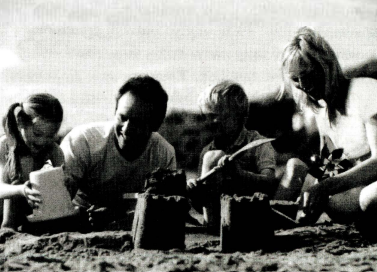
In the United States, the family is usually a group consisting of parents and their children.
در ایالات متحده، خانواده معمولاً گروهی متشکل از والدین و فرزندان آنهاست.
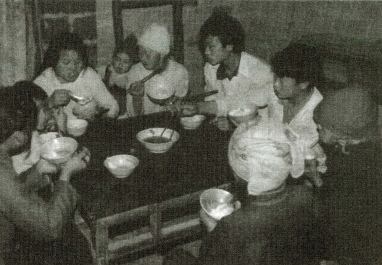
In many societies, though, the family includes relatives from three or more generations.
اما در بسیاری از جوامع، خانواده شامل خویشاوندانی از سه یا چند نسل میشود.
For example, a group of brothers and their wives, their sons and their unmarried daughters, and their sons' wives and children may live together or near one another,
برای مثال، گروهی از برادران و همسرانشان، پسرانشان و دختران مجرد، و همسران و فرزندان پسرانشان ممکن است با هم یا نزدیک به هم زندگی کنند،
cooperating to raise food, maintain the home, and care for children and the elderly.
و با همکاری یکدیگر غذا تهیه کنند، خانه را نگه دارند و از کودکان و سالمندان مراقبت کنند.
If the individuals function as a single unit, sociologists consider them to be a family.
اگر افراد بهعنوان یک واحد واحد عمل کنند، جامعهشناسان آنها را یک خانواده در نظر میگیرند.
If, however, they simply live next door to one another and do not pool their resources,
اما اگر آنها فقط در همسایگی یکدیگر زندگی کنند و منابعشان را با هم به اشتراک نگذارند،
they are viewed as separate families even though they may be related.
آنها حتی اگر با هم خویشاوند باشند، بهعنوان خانوادههای جداگانه در نظر گرفته میشوند.
During their lifetimes, most people are members of two different types of family groups:
در طول زندگی، بیشتر افراد عضو دو نوع متفاوت از گروههای خانوادگی هستند:
the family into which they were born and the family that they create when they marry and have children.
خانوادهای که در آن متولد شدهاند و خانوادهای که با ازدواج و بچهدار شدن ایجاد میکنند.
Societies differ in the cultural emphasis they place on these two groups.
جوامع از نظر میزان اهمیتی که به این دو نوع خانواده میدهند، با هم تفاوت دارند.
Among the Pueblo Indians, for example, the family a person is born into is given a special significance,
برای مثال، در میان سرخپوستان پوبلو، خانوادهای که فرد در آن متولد شده اهمیت ویژهای دارد،
whereas the family a person marries into is treated more casually.
در حالیکه خانوادهای که فرد با ازدواج وارد آن میشود، اهمیت کمتری دارد.
When a Pueblo Indian couple marry, the woman stays in her mother's household, and her husband moves in.
وقتی یک زن و مرد پوبلو با هم ازدواج میکنند، زن در خانهی مادرش میماند و شوهر به آنجا نقل مکان میکند.
If the couple do not get along and divorce, the husband moves back to his mother's household with little fuss.
اگر این زوج با هم کنار نیایند و طلاق بگیرند، شوهر بدون دردسر زیاد به خانهی مادرش بازمیگردد.
Nuclear and Extended Families
خانوادهی هستهای و خانوادهی گسترده
Although the culturally ideal Western family is the nuclear family—a two-generation family group that consists of a father and mother and their children, usually living apart from other relatives—
اگرچه در فرهنگ غرب، شکل ایدهآل خانواده «خانوادهی هستهای» در نظر گرفته میشود—یعنی خانوادهای دو نسلی شامل پدر، مادر و فرزندان که معمولاً جدا از دیگر بستگان زندگی میکنند—
variations on this pattern are common.
اما انواع متفاوتی از این الگو بهطور رایج وجود دارد.
Death and divorce can leave households with only one parent.
مرگ یا طلاق میتواند خانوادهای را تنها با یکی از والدین باقی بگذارد.
An elderly grandparent may join the household.
ممکن است پدربزرگ یا مادربزرگ سالمندی به جمع خانواده اضافه شود.
Economic problems may force a married child to bring his or her spouse and children to live with the family.
مشکلات اقتصادی ممکن است فرزند متأهلی را مجبور کند تا همراه با همسر و فرزندانش به خانهی خانواده بازگردد.
When a family is a group that consists of three or more generations, it is called an extended family.
زمانی که یک خانواده شامل سه نسل یا بیشتر باشد، به آن «خانوادهی گسترده» گفته میشود.
The two-parent nuclear family is most typical of the middle and upper classes,
خانوادهی هستهای با حضور هر دو والد بیشتر در میان طبقات متوسط و بالای جامعه رایج است،
and while the single-parent family is found in all social classes, it is more common among the lower classes.
و در حالیکه خانوادههای تکوالد در همهی طبقات اجتماعی وجود دارند، در طبقات پایینتر رایجتر هستند.
Single-parent families are generally the result of divorce and separation, out-of-wedlock birth, and male unemployment.
خانوادههای تکوالد معمولاً نتیجهی طلاق و جدایی، تولد خارج از ازدواج، و بیکاری مردان هستند.
The extended family is also more common among the lower classes, mainly because of economic conditions.
خانوادهی گسترده نیز بیشتر در میان طبقات پایین دیده میشود، عمدتاً بهدلیل شرایط اقتصادی.
Most middle-class nuclear families can afford to hire someone to babysit for their children,
بیشتر خانوادههای هستهای طبقهی متوسط توانایی استخدام کسی برای مراقبت از فرزندانشان را دارند،
to help them move to a new house, or to care for the sick.
یا کسی که به آنها در اسبابکشی یا مراقبت از بیمار کمک کند.
They are able to borrow money from the bank when they need it for emergencies or for luxury items, such as a new car.
آنها میتوانند در مواقع ضروری یا برای خرید کالاهای لوکس مانند خودروی نو، از بانک وام بگیرند.
Thus there are few economic reasons for a middle-class family to be extended.
بنابراین دلایل اقتصادی کمی وجود دارد که باعث شود خانوادهای از طبقهی متوسط بهصورت گسترده زندگی کند.
The purchase of certain products and services is a luxury that poorer families often cannot afford.
خرید برخی کالاها و خدمات، نوعی تجمل است که خانوادههای فقیر اغلب توانایی پرداخت آن را ندارند.
Such families generally must rely on family members and relatives to provide the goods and services they cannot afford to buy.
چنین خانوادههایی معمولاً مجبورند برای تهیهی کالاها و خدماتی که توان خریدشان را ندارند، به اعضای خانواده و خویشاوندان تکیه کنند.
A cousin will babysit.
مثلاً یک پسرعمو یا دخترعمه از بچهها مراقبت میکند.
A brother will lend money to his sister until the next payday.
برادری تا حقوق ماه بعد به خواهرش پول قرض میدهد.
A grandmother will take the children to a doctor if necessary.
مادربزرگ در صورت نیاز بچهها را نزد دکتر میبرد.
Without this network of shared assistance, families with low incomes would not be able to provide for their needs or handle many types of emergencies.
بدون این شبکهی کمکرسانی متقابل، خانوادههای کمدرآمد نه میتوانند نیازهای خود را برآورده کنند و نه از پس بسیاری از شرایط اضطراری برآیند.
The more family members who are available, the more likely each one is to get assistance.
هرچه اعضای بیشتری در خانواده حضور داشته باشند، احتمال دریافت کمک برای هر یک از آنها بیشتر است.
Thus, large extended families with strong ties can be a real advantage—indeed, a necessity—for lower-income families.
بنابراین، خانوادههای بزرگ و گسترده با پیوندهای قوی میتوانند برای خانوادههای کمدرآمد یک مزیت واقعی—و حتی ضرورتی حیاتی—باشند.
THE GLOBAL TREND TOWARD NUCLEAR FAMILIES
گرایش جهانی بهسوی خانوادههای هستهای
Family structure around the world has been gradually changing in the direction of the nuclear family.
ساختار خانواده در سراسر جهان بهتدریج در حال تغییر بهسوی خانوادهی هستهای است.
This transition is thought to have begun in pre-industrial rural England;
گمان میرود این گذار از مناطق روستایی انگلستان پیشاصنعتی آغاز شده باشد؛
at that time and place, families of three or more generations were already a distinct minority.
در آن زمان و مکان، خانوادههای شامل سه نسل یا بیشتر، در اقلیت چشمگیری قرار داشتند.
Today, the trend toward the nuclear family seems to be closely associated with the urbanization, industrialization, and modernization of societies.
امروزه، گرایش بهسوی خانوادهی هستهای بهشدت با شهرنشینی، صنعتیشدن و مدرنسازی جوامع مرتبط است.
As industry replaces agriculture as the main form of work, younger family members typically leave the farms and rural villages and move to the cities where jobs are located,
با جایگزینی صنعت بهجای کشاورزی بهعنوان شکل اصلی کار، اعضای جوان خانواده معمولاً مزارع و روستاها را ترک کرده و به شهرهایی میروند که فرصتهای شغلی در آنها وجود دارد،
often weakening ties with those left behind.
و این امر اغلب موجب تضعیف ارتباط آنها با بستگان و خانوادهی باقیمانده در روستا میشود.
Once in the cities, families continue to move for employment and other reasons (such as better housing conditions, retirement, and more comfortable weather).
خانوادهها پس از استقرار در شهر نیز به دلایل مختلفی مانند شغل، شرایط بهتر مسکن، بازنشستگی یا آبوهوای مطبوعتر، به جابهجایی خود ادامه میدهند.
The agricultural family is likely to be extended and tied to a piece of land,
خانوادهی کشاورز معمولاً بهصورت گسترده است و به قطعه زمینی خاص وابسته است،
while the industrial family is nuclear and much more mobile.
در حالیکه خانوادهی صنعتی، هستهای و بسیار متحرکتر است.
The decline of the extended family is thus promoted by the changing nature of work.
بنابراین، کاهش نقش خانوادهی گسترده تحت تأثیر ماهیت در حال تغییر کار قرار دارد.
In rural societies, as among the poor in industrial societies, the extended family offers an economic advantage.
در جوامع روستایی، و همچنین در میان فقرا در جوامع صنعتی، خانوادهی گسترده مزیتی اقتصادی بهشمار میرود.
Each member of the family does some productive work.
هر عضو خانواده نوعی کار مفید انجام میدهد.
Less able-bodied family members, such as children, the elderly, or members with a disability, can each contribute in some way to the economic interests of the family unit.
اعضایی از خانواده که توانایی جسمی کمتری دارند، مانند کودکان، سالمندان یا افراد دارای ناتوانی، هر یک میتوانند به شکلی در منافع اقتصادی خانواده سهیم باشند.
In industrial societies, conversely, these family members are treated as less essential economically and are employed only under certain conditions (for example, when there is a labor shortage).
در مقابل، در جوامع صنعتی، این اعضای خانواده از نظر اقتصادی کماهمیتتر تلقی میشوند و تنها در شرایط خاصی مانند کمبود نیروی کار به کار گرفته میشوند.
They therefore produce little for the family unit, yet they consume at about the same rate as do producers.
در نتیجه، آنها سهم کمی در تولید برای خانواده دارند، اما تقریباً به همان اندازهی تولیدکنندگان مصرف میکنند.
The extended family can therefore be a disadvantage in industrial societies.
بنابراین، خانوادهی گسترده میتواند در جوامع صنعتی نوعی نقطهضعف تلقی شود.
The transition from the extended to the nuclear family has brought with it much greater freedom and personal mobility for the individual.
تحول از خانوادهی گسترده به خانوادهی هستهای آزادی و تحرک شخصی بسیار بیشتری برای فرد به ارمغان آورده است.
In the extended family, an individual's needs are generally of lesser importance compared to the demands of the larger group.
در خانوادهی گسترده، نیازهای فرد معمولاً از اهمیت کمتری برخوردار است در مقایسه با خواستههای گروه بزرگتر.
Privacy, for example, is hard to find.
بهعنوان مثال، حفظ حریم خصوصی در آنجا دشوار است.
However, there are negative features to the nuclear family, too.
با این حال، خانوادهی هستهای نیز ویژگیهای منفیای دارد.
Although individuals are freed from a wide variety of responsibilities and obligations, other family members are no longer as responsible for them.
اگرچه افراد از مسئولیتها و تعهدات زیادی آزاد میشوند، اما دیگر اعضای خانواده مسئولیت کمتری در قبال آنها دارند.
Because the family is now a smaller unit, emotional and economic support may be more limited as each family member has fewer people available to turn to for companionship or assistance.
چون خانواده حالا به یک واحد کوچکتر تبدیل شده است، حمایت عاطفی و اقتصادی ممکن است محدودتر باشد چرا که هر عضو خانواده افراد کمتری برای جلب همراهی یا کمک دارد.
The result may be the increased social isolation of individuals.
نتیجهی این تغییر ممکن است افزایش انزوای اجتماعی افراد باشد.