

کتاب Focus on vocabulary جلد 2
chapter 1
لغات هدف
| English | Persian |
|---|---|
| capacity | ظرفیت |
| diverse | متنوع |
| evidence | مدرک، شاهد |
| item | مورد، قلم |
| complex | پیچیده |
| element | عنصر |
| evolve | تکامل یافتن، پیشرفت کردن |
| manipulate | دستکاری کردن |
| consequences | عواقب |
| encounter | برخورد، مواجهه |
| furthermore | علاوه بر این |
| neutral | بیطرف، خنثی |
| contemporary | معاصر، همعصر |
| environment | محیط |
| generation | نسل |
| source | منبع |
| contrast | تضاد، تفاوت |
| estimate | تخمین زدن |
| global | جهانی |
| symbolize | نمادین بودن |
| decline | کاهش یافتن |
| eventually | در نهایت |
| interact | تعامل کردن |
| transform | تحول یافتن، تغییر کردن |
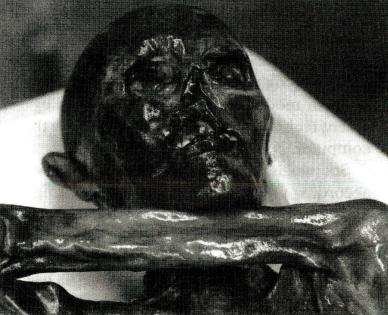
"I thought at first it was a doll's head," said Helmut Simon, a German tourist who, in 1991, made one of the scientific finds of the century.
«اول فکر کردم سرِ یک عروسک است»، این را هلموت سیمون، گردشگر آلمانی، گفت که در سال ۱۹۹۱ یکی از کشفیات علمی قرن را انجام داد.
Simon was hiking across a huge glacier in southwest Austria near the Italian border when he stumbled upon a familiar shape protruding from the melting ice.
سیمون در حال پیادهروی روی یخچالی عظیم در جنوبغربی اتریش، نزدیک مرز ایتالیا بود که به شکلی آشنا برخورد کرد که از دل یخهای در حال ذوب بیرون زده بود.
He soon realized that it was not a doll but a human body:
او بهزودی فهمید که این یک عروسک نیست، بلکه یک بدن انسان است:
the so-called "Iceman," who died some 5,300 years ago,
کسی که به «مرد یخی» معروف شد، و حدود ۵٬۳۰۰ سال پیش جان باخته بود،
making him the oldest member of our species to be discovered essentially intact.
و او را به مسنترین عضو گونهی انسان تبدیل کرد که بهصورت تقریباً سالم کشف شده است.
Imagine you were born some 300 years ago, in the year 1700.
تصور کن که حدود ۳۰۰ سال پیش، در سال ۱۷۰۰ به دنیا آمده بودی.
Although this is very recent in terms of the billions of years of the existence of planet Earth,
با اینکه این زمان نسبت به میلیاردها سال عمر کره زمین بسیار نزدیک به زمان حال است،
you would still have been living in a remarkably different world.
اما تو در دنیایی کاملاً متفاوت زندگی میکردی.
You would never have been to a shopping mall.
هرگز به یک مرکز خرید نرفته بودی.
You would never have encountered the world of cars, railways, airplanes, telephones, cameras, computers, and TVs.
با دنیای ماشینها، راهآهن، هواپیماها، تلفنها، دوربینها، رایانهها و تلویزیونها هیچ آشنایی نداشتی.
And more than this, the idea of voting for your government, going to college, choosing your religion, or even choosing your identity would all have been rare.
و حتی فراتر از اینها، ایدههایی مانند رأی دادن برای حکومت، رفتن به دانشگاه، انتخاب دین یا حتی انتخاب هویت، چیزهایی نادر و غیرمعمول بودند.
Welcome to the modern world!
به دنیای مدرن خوش آمدی!
Life has certainly changed in 300 years,
زندگی بدون شک در طول ۳۰۰ سال گذشته تغییرات زیادی کرده است،
and sociology was born out of a concern with this rapidly changing character of the modern, industrial world: with where we have come from and where we are heading.
و جامعهشناسی از دل نگرانی نسبت به همین تغییرات سریع در دنیای مدرن و صنعتی زاده شد: اینکه از کجا آمدهایم و به کجا میرویم.
For sociologists, the term society means "all the people who interact in a defined space and share culture."
برای جامعهشناسان، واژهی "جامعه" بهمعنای «همهی افرادی است که در فضایی مشخص با هم تعامل دارند و فرهنگی مشترک را به اشتراک میگذارند.»
In this sense, both a continent like Europe and specific individual countries such as Norway or Japan may be seen as societies.
با این تعریف، هم قارهای مانند اروپا و هم کشورهایی خاص مانند نروژ یا ژاپن میتوانند بهعنوان جامعه در نظر گرفته شوند.
Even humans living thousands of years ago were members of early human societies.
حتی انسانهایی که هزاران سال پیش زندگی میکردند نیز اعضای جوامع اولیه انسانی بودند.
Evidence of this comes from the discovery of the Iceman.
شواهد این موضوع از کشف "مرد یخی" بهدست آمده است.
Examining the Iceman's clothes, scientists were astonished at how advanced this "caveman's" society was.
با بررسی لباسهای مرد یخی، دانشمندان از میزان پیشرفت جامعهی این «غارنشین» شگفتزده شدند.
The Iceman's hair was neatly cut, and his body had numerous tattoos that probably symbolized his standing in the community.
موی مرد یخی بهطور مرتب کوتاه شده بود و بدن او پر از خالکوبیهایی بود که احتمالاً نماد جایگاه اجتماعیاش بودند.
He wore a skillfully sewn leather coat over which a grass cape provided even greater protection from the weather.
او کت چرمیای با دوخت ماهرانه به تن داشت و روی آن، یک شنل از علف پوشیده بود که محافظت بیشتری در برابر شرایط آبوهوایی ایجاد میکرد.
His shoes, also made of leather, were stuffed with grass for comfort and warmth.
کفشهایش نیز چرمی بودند و برای راحتی و گرما با علف پر شده بودند.
He carried with him an axe, a wood-handled knife, and a bow that shot feathered arrows with stone points.
او همراه خود یک تبر، چاقویی با دستهی چوبی و کمانی داشت که تیرهای پردار با سرِ سنگی شلیک میکرد.
A primitive backpack held additional tools and personal items, including natural medicines made from plants.
یک کولهپشتی ابتدایی نیز همراهش بود که ابزارهای اضافی و وسایل شخصی از جمله داروهای طبیعی ساختهشده از گیاهان را در خود داشت.
It is estimated that he died some 5,300 years ago—
برآورد میشود که او حدود ۵٬۳۰۰ سال پیش جان باخته است—
before a great empire existed in Egypt, before the flowering of culture in ancient Greece, and before any society in Europe built a single city.
قبل از آنکه امپراتوری بزرگی در مصر بهوجود آید، پیش از شکوفایی فرهنگ در یونان باستان، و پیش از آنکه هیچ جامعهای در اروپا حتی یک شهر بنا کند.
As people who take for granted rapid transportation and instant global communication,
ما که امروزه حملونقل سریع و ارتباط جهانی لحظهای را امری بدیهی میدانیم،
we can look on this ancestor as a connection to our distant past.
میتوانیم به این نیاکان به چشم پیوندی با گذشتهی دور خود نگاه کنیم.
Sociologists have identified great differences among societies that have flourished and declined throughout human history.
جامعهشناسان تفاوتهای زیادی را میان جوامعی که در طول تاریخ بشر شکوفا شدهاند یا از بین رفتهاند، شناسایی کردهاند.
They have observed how societies change over centuries as the people in them gain greater ability to manipulate their natural environment.
آنها مشاهده کردهاند که جوامع در طی قرنها چگونه تغییر میکنند، در حالی که مردم آنها توانایی بیشتری برای کنترل محیط طبیعی خود به دست میآورند.
Societies with basic technology can support only a small number of people who enjoy few choices about how to live.
جوامعی با فناوری ابتدایی تنها میتوانند از تعداد کمی انسان پشتیبانی کنند که انتخابهای محدودی در مورد سبک زندگی خود دارند.
Technologically complex societies—while not necessarily "better" in any absolute sense—develop large populations;
جوامعی دارای فناوری پیچیده—اگرچه لزوماً در معنای مطلق "بهتر" نیستند—جمعیت زیادی را شکل میدهند؛
people in these societies are likely to lead diverse, highly specialized lives.
و افراد در این جوامع معمولاً زندگیهایی متنوع و بسیار تخصصی دارند.
The greater the amount of technological skill and knowledge a society has, the faster the rate at which the society changes.
هرچه میزان مهارت و دانش فناوری در یک جامعه بیشتر باشد، سرعت تغییرات آن جامعه نیز بیشتر است.
Technologically simple societies, then, change very slowly.
در نتیجه، جوامع ساده از نظر فناوری، بسیار آهسته تغییر میکنند.
Take, for example, some of the clothing worn by the Austrian Iceman.
برای مثال، نگاهی بینداز به برخی از لباسهایی که مرد یخی اتریشی به تن داشت.
It differs only slightly from clothes used by shepherds in the same area of the world early in the twentieth century.
این لباسها تفاوت چندانی با لباسهایی که چوپانهای همان منطقه در اوایل قرن بیستم میپوشیدند، ندارد.
In contrast to simpler societies, industrial, technologically advanced societies change so quickly that people witness remarkable transformations within their lifetimes.
در مقابلِ جوامع سادهتر، جوامع صنعتی و پیشرفته از نظر فناوری آنقدر سریع تغییر میکنند که مردم شاهد دگرگونیهای شگفتانگیزی در طول زندگی خود هستند.
Again, consider some familiar elements of contemporary culture that would probably puzzle, delight, and possibly frighten people who lived just a few generations ago:
باز هم، به برخی از عناصر آشنای فرهنگ معاصر فکر کن که احتمالاً برای مردم چند نسل پیش گیجکننده، شگفتانگیز و شاید هم ترسناک بودند:
fast food, faxes, mobile phones, computer games, artificial hearts, fiber optics, test-tube babies, and many, many others.
فستفود، فکس، تلفن همراه، بازیهای کامپیوتری، قلب مصنوعی، فیبر نوری، نوزادان لولهآزمایشگاهی، و بسیاری موارد دیگر.
Indeed it is a strange modern world we live in—even when compared with the world of the recent past.
واقعاً دنیای مدرن عجیبی است که در آن زندگی میکنیم—even در مقایسه با دنیای گذشتهای نهچندان دور.
Consider also the countless consequences of technological change.
همچنین پیامدهای بیشمار ناشی از تغییرات فناورانه را در نظر بگیر.
When our ancestors first harnessed the power of the wind by using a sail,
وقتی نیاکان ما برای نخستین بار قدرت باد را با استفاده از بادبان مهار کردند،
they set the stage for the invention of kites, sailing ships, windmills, and, eventually, airplanes.
آنها زمینه را برای اختراع بادبادکها، کشتیهای بادبانی، آسیابهای بادی، و در نهایت هواپیماها فراهم کردند.
We are only now beginning to see how our modern lives are being changed by recent technologies like atomic energy or the computer.
ما تازه شروع کردهایم به درک اینکه چگونه زندگی مدرنمان توسط فناوریهای جدیدی مانند انرژی اتمی یا رایانه در حال دگرگونی است.
Sociologists divide societies into five types according to their technologies:
جامعهشناسان جوامع را بر اساس فناوریشان به پنج نوع تقسیم میکنند:
(1) hunting and gathering societies, (2) horticultural and pastoral societies, (3) agrarian societies, (4) industrial societies, and (5) post-industrial societies.
(۱) جوامع شکارچی و گردآورنده، (۲) جوامع باغداری و دامداری، (۳) جوامع کشاورزی، (۴) جوامع صنعتی، و (۵) جوامع پساصنعتی.
Hunting and gathering societies use simple technologies to gather food from nature, such as hunting animals and picking berries.
جوامع شکارچی-گردآورنده از فناوریهای ساده برای تأمین غذا از طبیعت استفاده میکردند، مثل شکار حیوانات و چیدن میوهها.
Horticultural and pastoral societies grow their own plants and raise animals to eat.
جوامع باغداری و دامداری، خودشان گیاه میکاشتند و حیوانات را برای تغذیه پرورش میدادند.
Agrarian societies—which first appeared around the time of the Iceman—use technologies such as animal-drawn plows to farm on a larger scale.
جوامع کشاورزی—که اولینبار حدود زمان زندگی مرد یخی پدیدار شدند—از فناوریهایی مانند گاوآهنهای کشیدهشده توسط حیوانات برای کشاورزی در مقیاس وسیع استفاده میکردند.
Agrarian societies were also the first to develop such technological innovations as irrigation, the wheel, writing, numbers, and expanded uses for metals.
این جوامع همچنین نخستین گروههایی بودند که نوآوریهای فناورانهای مانند آبیاری، چرخ، نوشتن، اعداد و کاربردهای گسترده فلزات را توسعه دادند.
Industrial societies use technology that powers sophisticated machinery with advanced sources of energy.
جوامع صنعتی از فناوریهایی استفاده میکنند که ماشینآلات پیچیده را با منابع پیشرفته انرژی به حرکت درمیآورند.
Before the industrial era, the major source of energy was the muscle power of humans and animals.
پیش از دوران صنعتی، منبع اصلی انرژی، نیروی عضلانی انسان و حیوان بود.
In industrial societies, people learn mechanical skills so that they can operate the machinery needed to produce material goods.
در جوامع صنعتی، مردم مهارتهای مکانیکی یاد میگیرند تا بتوانند ماشینآلات لازم برای تولید کالاهای مادی را بهکار بگیرند.
These societies transformed themselves more in a century than previous societies had in thousands of years.
این جوامع در یک قرن بیشتر از آنچه جوامع گذشته در هزاران سال تغییر کرده بودند، دگرگون شدند.
Post-industrial societies—like the ones many of us live in today—have developed technologies that support an information-based economy.
جوامع پساصنعتی—مانند جوامعی که بسیاری از ما امروزه در آنها زندگی میکنیم—فناوریهایی را توسعه دادهاند که از یک اقتصاد مبتنی بر اطلاعات پشتیبانی میکند.
People in these societies create, process, store, and apply information through the use of computers, fax machines, satellites, and other forms of communication technology.
افراد در این جوامع، با استفاده از رایانهها، دستگاههای فکس، ماهوارهها و سایر فناوریهای ارتباطی، اطلاعات را تولید، پردازش، ذخیره و بهکار میگیرند.
Technology has a big impact on a society, but in itself it is neutral.
فناوری تأثیر زیادی بر یک جامعه دارد، اما در ذات خود خنثی است.
People are the ones who decide how to use technology and whether it is used for good or bad purposes.
این انسانها هستند که تصمیم میگیرند چگونه از فناوری استفاده کنند و آیا برای اهداف خوب بهکار رود یا بد.
Armed with the capacity to reshape the world, human societies must understand both the social benefits and problems caused by the desire for technological change.
جوامع انسانی که اکنون توانایی بازسازی جهان را دارند، باید هم منافع اجتماعی و هم مشکلات ناشی از میل به تغییرات فناورانه را درک کنند.
Furthermore, it is important to note that the five types of societies described above do not evolve from one type to another in an automatic process.
همچنین مهم است بدانیم که پنج نوع جامعهی ذکرشده بهصورت خودکار از یک نوع به نوع دیگر تکامل نمییابند.
In fact, in modern times, all of these societies may be said to coexist.
در واقع، در دوران معاصر، میتوان گفت که همهی این انواع جامعه بهصورت همزمان در کنار هم وجود دارند.