

کتاب Focus on vocabulary جلد 2
chapter 13
لغات هدف
| English | Persian |
|---|---|
| aid | کمک |
| confine | محدود کردن |
| highlight | برجسته کردن |
| predominate | غلبه کردن، تسلط یافتن |
| alternative | جایگزین |
| criteria | معیارها |
| imply | دلالت داشتن، اشاره کردن |
| proportion | نسبت، سهم |
| arbitrary | دلخواه، اختیاری |
| despite | علیرغم، باوجود |
| inherent | ذاتی، نهفته |
| randomly | به طور تصادفی |
| chemical | شیمیایی |
| extract | استخراج کردن |
| justify | توجیه کردن، دلیل آوردن |
| regulate | تنظیم کردن |
| complement | مکمل |
| federal | فدرال |
| label | برچسب، نشان |
| unique | منحصر به فرد |
| comprise | شامل شدن، تشکیل دادن |
| guarantee | ضمانت |
| layer | لایه |
| whereas | در حالی که |
Exploding Sales for Bottled Water
افزایش چشمگیر فروش آب بطریشده
Walk down the drinks aisle at the supermarket. Look in the beverage cooler in your local convenience store.
در راهروی نوشیدنیها در سوپرمارکت قدم بزنید. به یخچال نوشیدنیها در فروشگاه محلی خود نگاه کنید.
A new beverage is taking over more and more space on the shelves, and that drink is water.
یک نوشیدنی جدید فضای بیشتری از قفسهها را به خود اختصاص داده است، و آن نوشیدنی آب است.
Bottled water sales in the United States rose to 1.7 billion gallons (6.4 billion liters) in 2000 for plastic bottles alone, compared to total sales of only 700 million gallons (2.6 billion liters) in 1980.
فروش آب بطریشده در ایالات متحده تنها برای بطریهای پلاستیکی در سال ۲۰۰۰ به ۱.۷ میلیارد گالن (۶.۴ میلیارد لیتر) رسید، در حالی که این رقم در سال ۱۹۸۰ تنها ۷۰۰ میلیون گالن (۲.۶ میلیارد لیتر) بود.
Whereas bottled water was once associated only with the rich and privileged, it is now regularly drunk by people at all income levels despite the fact that the price of bottled water can be between 240 and 10,000 times higher per gallon than tap water.
در حالی که آب بطریشده زمانی فقط با ثروتمندان و افراد خاص مرتبط بود، اکنون در میان افراد در تمام سطوح درآمدی بهطور منظم مصرف میشود، با وجود اینکه قیمت آن میتواند بین ۲۴۰ تا ۱۰٬۰۰۰ برابر بیشتر از آب شیر در هر گالن باشد.
What accounts for this astounding increase in demand?
چه چیزی این افزایش شگفتانگیز در تقاضا را توضیح میدهد؟
Traditionally, people have drunk bottled water for health reasons.
بهطور سنتی، مردم آب بطریشده را به دلایل بهداشتی مینوشیدند.
The practice of "taking the waters" originated with the Romans, who believed that a person developed a healthy mind by nurturing a healthy body.
عمل "نوشیدن آبهای معدنی" از رومیان آغاز شد؛ آنها معتقد بودند که انسان با پرورش بدن سالم، ذهن سالمی نیز پرورش میدهد.
Across Europe, drinking or bathing in mineral water has been associated with curative powers for ailments such as arthritis, kidney stones, and skin diseases.
در سراسر اروپا، نوشیدن یا حمامکردن در آب معدنی با قدرت درمانی برای بیماریهایی مانند آرتروز، سنگ کلیه و بیماریهای پوستی مرتبط بوده است.
Health spas such as those at Evian in France and San Pellegrino in Italy began bottling water so that their patrons could continue their treatments at home.
مراکز آبدرمانی مانند اویان در فرانسه و سنپلگرینو در ایتالیا شروع به بطریکردن آب کردند تا مشتریان بتوانند درمان خود را در خانه ادامه دهند.
Twenty-first-century consumers are also concerned about health.
مصرفکنندگان قرن بیستویکم نیز نگران سلامتی هستند.
However, in America, where the habit of drinking bottled water is relatively new, the concern is often more related to the purity or sterility of the water than to its mineral contents.
با این حال، در آمریکا که عادت نوشیدن آب بطریشده نسبتاً جدید است، نگرانی اغلب بیشتر مربوط به خلوص یا استریل بودن آب است تا میزان مواد معدنی آن.
Americans are worried about the effects of chemical pollution and other contaminants on the water supply.
آمریکاییها نگران اثرات آلودگی شیمیایی و سایر آلایندهها بر منابع آب هستند.
Many view bottled water as a safe alternative to tap water.
بسیاری از مردم آب بطریشده را جایگزینی ایمن برای آب لولهکشی میدانند.
Further reasons for drinking bottled water are its usefulness as an aid to digestion, as a complement to a good meal in a restaurant, and for taste.
دلایل دیگر برای نوشیدن آب بطریشده شامل کمک به هضم غذا، همراهی با یک وعده غذای خوب در رستوران، و طعم آن است.
Municipal tap water is often treated with chlorine to guard against harmful microorganisms.
آب لولهکشی شهری اغلب با کلر تصفیه میشود تا از آن در برابر میکروارگانیسمهای مضر محافظت شود.
Chlorine, as well as metals from pipes and tanks used to distribute and store tap water, can leave behind an unpleasant taste.
کلر، همراه با فلزاتی که از لولهها و مخازن ذخیره و توزیع آب وارد آن میشوند، میتواند طعمی ناخوشایند در آب باقی بگذارد.
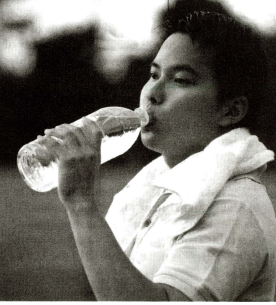
Health and taste are not, however, the only reasons for drinking bottled water.
با این حال، سلامتی و طعم تنها دلایل نوشیدن آب بطریشده نیستند.
Marketing studies have shown that the consumer most likely to use bottled water is an adult, eighteen to 34 years of age, who is educated, upscale, and health conscious.
مطالعات بازاریابی نشان دادهاند که مصرفکنندهای که بیشترین احتمال استفاده از آب بطریشده را دارد، بزرگسالی ۱۸ تا ۳۴ ساله، تحصیلکرده، مرفه و آگاه به سلامت است.
Even early European health spas were very fashionable places with grand hotels, casinos, and social facilities in addition to the halls for drinking the waters.
حتی مراکز آبدرمانی اولیه در اروپا مکانهایی بسیار شیک بودند که علاوه بر سالنهای نوشیدن آب، دارای هتلهای مجلل، کازینوها و امکانات اجتماعی نیز بودند.
Today, many bottled water brands are associated with celebrities and their glamorous lifestyles.
امروزه، بسیاری از برندهای آب بطریشده با افراد مشهور و سبک زندگی پرزرقوبرق آنها مرتبط هستند.
Water bottle labels and the shape of the bottles themselves are in the hands of designers and marketers.
برچسبهای بطریهای آب و شکل خود بطریها در اختیار طراحان و بازاریابهاست.
Packaging emphasizes health, purity, vitality, youth, and nature.
بستهبندیها بر مفاهیمی مانند سلامتی، خلوص، شادابی، جوانی و طبیعت تأکید دارند.
Is all the hype surrounding bottled water justified?
آیا تمام این هیاهو پیرامون آب بطریشده توجیهپذیر است؟
In the United States, bottled water is defined as water that is sealed in a sanitary container, is sold for human consumption, and meets all state, federal, and industry standards.
در ایالات متحده، آب بطریشده به آبی گفته میشود که در ظرفی بهداشتی بستهبندی شده، برای مصرف انسانی به فروش میرسد، و با تمام استانداردهای ایالتی، فدرال و صنعتی مطابقت دارد.
Bottled water that comprises more than 1 percent by weight of sweeteners or chemicals is considered to be a soft drink.
آب بطریشدهای که بیش از ۱٪ از وزن آن شامل شیرینکنندهها یا مواد شیمیایی باشد، نوشابه (soft drink) محسوب میشود.
Beverages with sweeteners or chemicals are not regulated by the government in the same way as bottled water.
نوشیدنیهایی که دارای شیرینکننده یا مواد شیمیایی هستند، تحت همان مقررات دولتی مربوط به آب بطریشده کنترل نمیشوند.
In France, other criteria must be met.
در فرانسه، معیارهای دیگری نیز باید رعایت شوند.
One condition is that the mineral content of the water must be low enough for there to be no maximum safe daily limit on the amount of water that can be consumed.
یکی از شرایط این است که میزان مواد معدنی آب باید آنقدر پایین باشد که نیازی به تعیین حداکثر مقدار مصرف روزانه ایمن نباشد.
Waters with higher mineral contents can only be consumed under medical supervision at spas.
آبهایی که دارای مواد معدنی بالاتری هستند فقط تحت نظارت پزشکی در مراکز آبدرمانی قابل مصرفاند.
Generally, bottled water can be either carbonated (sparkling) or non-carbonated (still).
بهطور کلی، آب بطریشده میتواند گازدار (sparkling) یا بدون گاز (still) باشد.
Consumption of carbonated water predominates in Germany, while in the rest of Europe and the United States, non-carbonated water is more popular.
مصرف آب گازدار در آلمان رایجتر است، در حالی که در سایر نقاط اروپا و ایالات متحده، آب بدون گاز محبوبتر است.
Spring water in particular is associated with a type of purity many consumers want.
آب چشمه بهویژه با نوعی از خلوص که بسیاری از مصرفکنندگان خواهان آن هستند، مرتبط است.
Given the sudden growth in the number of brands of bottled water available today, consumers now want to know how they can guarantee that the water they are buying is really spring water.
با توجه به رشد ناگهانی تعداد برندهای آب بطریشده، مصرفکنندگان اکنون میخواهند بدانند که چگونه میتوانند مطمئن شوند آبی که میخرند واقعاً آب چشمه است.
For this reason, the U.S. Food and Drug Administration (FDA) requires that a bottle's label clearly indicates what type of water is in the bottle.
به همین دلیل، سازمان غذا و داروی آمریکا (FDA) الزام کرده که برچسب بطری بهطور شفاف نوع آب داخل بطری را مشخص کند.
The varieties of bottled water include the following:
انواع آب بطریشده شامل موارد زیر است:
• Artesian water is extracted by means of a well from a confined water-bearing layer of sand or rock known as an aquifer. The water is pressurized and will flow naturally once tapped.
• آب آرتزین از طریق چاه از یک لایه بسته حاوی آب در ماسه یا سنگ (به نام سفره آب زیرزمینی) استخراج میشود. این آب تحت فشار است و پس از باز شدن جریان طبیعی مییابد.
• Mineral water contains a constant level and proportion of dissolved minerals such as calcium and magnesium. In order to be labeled "mineral water," it must contain no less than 250 parts per million (ppm) of these dissolved solids.
• آب معدنی دارای سطح و نسبت ثابتی از مواد معدنی محلول مانند کلسیم و منیزیم است. برای اینکه بهعنوان آب معدنی شناخته شود، باید حداقل ۲۵۰ قسمت در میلیون (ppm) از این مواد جامد محلول را داشته باشد.
The 250 ppm threshold is in reality an arbitrary level because many excellent European mineral waters do not meet this requirement and therefore cannot be marketed as mineral water in the United States.
این آستانه ۲۵۰ ppm در واقع سطحی اختیاری است، چرا که بسیاری از آبهای معدنی عالی اروپایی این شرط را ندارند و بنابراین نمیتوانند در ایالات متحده بهعنوان آب معدنی عرضه شوند.
• Distilled water has undergone a process of distillation, whereby the water is vaporized to remove dissolved minerals and then recondensed into liquid form.
• آب مقطر تحت فرآیند تقطیر قرار گرفته است؛ در این فرآیند، آب تبخیر میشود تا مواد معدنی محلول از بین برود، سپس دوباره به مایع تبدیل میشود.
• Sparkling water is naturally carbonated due to geothermal conditions at its source. If the natural carbonation level is diminished during processing, the carbon dioxide can be replaced up to the original level of natural occurrence.
• آب گازدار بهطور طبیعی به دلیل شرایط زمینگرمایی در محل چشمه، دارای گاز کربن دیاکسید است. اگر میزان گاز در فرآیند کاهش یابد، میتوان آن را تا سطح طبیعی اولیه جایگزین کرد.
• Spring water is derived from an underground rock formation from which water flows naturally to the surface. Natural springs occur randomly (in a variety of geological formations), and each one has unique properties.
• آب چشمه از سازندهای سنگی زیرزمینی بهدست میآید که آب از آنها بهطور طبیعی به سطح زمین جریان پیدا میکند. چشمهها بهصورت تصادفی (در سازندهای زمینشناسی مختلف) ظاهر میشوند و هرکدام ویژگیهای خاص خود را دارند.
• Drinking water has been significantly processed via treatments such as reverse osmosis, deionization, or activated carbon filtration. The source of this water need not be indicated.
• آب آشامیدنی بهطور گستردهای با روشهایی مانند اسمز معکوس، دییونیزه کردن، یا فیلتراسیون با کربن فعال تصفیه شده است. منبع این آب لازم نیست مشخص شود.
In the United States, more than 25 percent of bottled waters are derived from municipal water sources. Two major brands—Aquafina (bottled by Pepsi) and Dasani (bottled by Coca-Cola)—fall under this category.
در ایالات متحده، بیش از ۲۵٪ از آبهای بطریشده از منابع آب شهری تهیه میشوند. دو برند بزرگ—آکوافینا (توسط پپسی) و دسانی (توسط کوکاکولا)—در این دسته قرار میگیرند.
An inherent element in the production and marketing of any product is the packaging.
عنصری ذاتی در تولید و بازاریابی هر محصولی، بستهبندی آن است.
Despite the clarity required by the FDA, water bottlers are promoting a market perception that bottled water is pure, safe, and good for you.
با وجود شفافیتی که توسط FDA الزامی شده، تولیدکنندگان آب بطریشده در حال ترویج این تصور بازار هستند که آب بطریشده خالص، ایمن و مفید است.
A survey of the labels and websites of fifty water bottlers by the National Resources Defense Council highlights the widespread use of terminology that implies that bottled water is extraordinarily pure and derived from pristine natural sources.
یک بررسی از برچسبها و وبسایتهای پنجاه شرکت تولید آب بطریشده توسط شورای دفاع از منابع طبیعی (NRDC) نشان میدهد که بهطور گستردهای از واژگانی استفاده میشود که القا میکنند آب بطریشده بسیار خالص و برگرفته از منابع طبیعی دستنخورده است.
In addition, images of mountain lakes and glaciers or flowing streams abound on labels and may even be imprinted on the bottles, even though the water may be sourced from some place as flat as Texas.
علاوه بر این، تصاویر دریاچههای کوهستانی، یخچالهای طبیعی یا جویبارهای روان بهوفور بر روی برچسبها دیده میشوند و حتی ممکن است روی خود بطریها چاپ شده باشند، در حالی که منبع آب ممکن است از مکانی صاف و هموار مانند تگزاس باشد.
Although many consumers find such labeling misleading, it is not illegal unless a company makes a direct claim that the picture represents the source of the water.
اگرچه بسیاری از مصرفکنندگان چنین برچسبزنیهایی را گمراهکننده میدانند، اما این کار غیرقانونی نیست، مگر اینکه شرکت بهطور مستقیم ادعا کند که تصویر نشاندهنده منبع واقعی آب است.
In summary, the leap in demand for bottled water can be attributed to the public perception, fueled by industry marketing, that bottled water is a cleaner, healthier alternative to tap water.
بهطور خلاصه، افزایش چشمگیر تقاضا برای آب بطریشده را میتوان به تصوری عمومی نسبت داد که با بازاریابی صنعت تقویت شده است—این تصور که آب بطریشده گزینهای تمیزتر و سالمتر از آب لولهکشی است.
While U.S. consumers can be confident that bottled water is subject to strict health and food packaging regulations, bottle labels may not yet tell them everything they wish to know.
اگرچه مصرفکنندگان آمریکایی میتوانند مطمئن باشند که آب بطریشده تحت مقررات سختگیرانه بهداشتی و بستهبندی مواد غذایی قرار دارد، اما برچسبهای بطریها ممکن است هنوز همه اطلاعاتی را که آنها میخواهند بدانند، ارائه ندهند.