

کتاب Focus on vocabulary جلد 2
chapter 9
لغات هدف
| English | Persian |
|---|---|
| administrative | اداری |
| considerable | قابل توجه |
| exclusion | حذف، استثنا |
| restrict | محدود کردن |
| allocate | تخصیص دادن |
| cycle | چرخه، دوره |
| facilitate | تسهیل کردن |
| seek | جستجو کردن |
| approach | رویکرد |
| debate | بحث، مناظره |
| flexibility | انعطافپذیری |
| status | وضعیت |
| assign | اختصاص دادن |
| decade | دهه |
| maximum | حداکثر |
| trace | ردیابی، نشانه |
| code | کد |
| eliminate | حذف کردن |
| percent | درصد |
| concentration | تمرکز |
| enhance | تقویت کردن، بهبود بخشیدن |
| phase | مرحله |
| traditional | سنتی |
| widespread | گسترده |
Work Space Design
طراحی فضای کاری
Businesses large and small now realize that physical work space influences employee behavior.
کسبوکارهای بزرگ و کوچک اکنون دریافتهاند که فضای فیزیکی کار بر رفتار کارکنان تأثیر میگذارد.
As a result, businesses are redesigning their buildings and workplaces with the intent of reshaping employee attitudes and behavior.
در نتیجه، شرکتها در حال بازطراحی ساختمانها و محیطهای کاری خود هستند تا نگرشها و رفتار کارکنان را تغییر دهند.
As firms redesign their offices, they focus on three main factors that have a strong impact on employee behavior: how much space employees have, how the space is arranged, and how much privacy employees have.
هنگامی که شرکتها دفاتر خود را بازطراحی میکنند، بر سه عامل اصلی که تأثیر زیادی بر رفتار کارکنان دارند تمرکز میکنند: میزان فضایی که کارکنان در اختیار دارند، چگونگی چیدمان فضا، و میزان حریم خصوصی کارکنان.
SIZE
اندازه
In relation to work space, size is defined by the number of square feet per employee.
در رابطه با فضای کاری، اندازه با تعداد فوت مربع اختصاصیافته به هر کارمند تعریف میشود.
Historically, the amount of space an employee had was primarily related to the employee's status.
در گذشته، مقدار فضایی که یک کارمند در اختیار داشت، عمدتاً به جایگاه او در سازمان بستگی داشت.
The higher an individual was in the organization's hierarchy, the larger the office he or she typically got.
هرچه فرد در سلسلهمراتب سازمانی جایگاه بالاتری داشت، معمولاً دفتر کار بزرگتری دریافت میکرد.
That, however, no longer seems to be true.
با این حال، این موضوع دیگر صادق به نظر نمیرسد.
As organizations seek to develop more equality, the trends have been toward reducing space dedicated to specific employees, lessening or eliminating space allocations based on hierarchical position, and making more space available for groups or teams to meet in.
با تلاش سازمانها برای ایجاد برابری بیشتر، روندها به سمت کاهش فضای اختصاصی برای کارکنان، کاهش یا حذف تخصیص فضا بر اساس موقعیت سلسلهمراتبی، و فراهمکردن فضای بیشتر برای جلسات گروهی یا تیمی پیش رفتهاند.
According to recent estimates, the amount of personal office space organizations give to administrative employees has shrunk by 25 to 50 percent over the past decade.
بر اساس برآوردهای اخیر، میزان فضای اداری شخصی که سازمانها به کارکنان اداری اختصاص میدهند در دهه گذشته بین ۲۵ تا ۵۰ درصد کاهش یافته است.
This change is due in part to economics. Space costs money and reducing space cuts costs.
این تغییر تا حدی به دلایل اقتصادی است. فضا هزینه دارد و کاهش فضا موجب کاهش هزینهها میشود.
But a lot of this reduction can be traced to changes in the organizations.
اما بخش زیادی از این کاهش به تغییرات در ساختار سازمانها برمیگردد.
As jobs have been redesigned and traditional hierarchies replaced with teamwork, the need for large offices has lessened.
با بازطراحی شغلها و جایگزینی سلسلهمراتب سنتی با کار تیمی، نیاز به دفاتر بزرگ کاهش یافته است.
In the past, it was not unusual for organizations, especially large ones such as IBM and General Motors, to define square footage for each level in the hierarchy.
در گذشته، مشخص کردن میزان فضای اداری برای هر سطح از سلسلهمراتب سازمانی، بهویژه در سازمانهای بزرگی مانند IBM و جنرال موتورز، امری رایج بود.
Senior executives, for instance, may have been assigned 800 square feet plus 300 square feet for a private secretary's office.
برای مثال، مدیران ارشد ممکن بود ۸۰۰ فوت مربع فضای کاری و ۳۰۰ فوت مربع دیگر برای دفتر منشی اختصاصی خود دریافت کنند.
A section manager may have gotten 400 square feet, a unit manager 120, and supervisors only 80 square feet.
یک مدیر بخش ممکن بود ۴۰۰ فوت مربع، یک مدیر واحد ۱۲۰ فوت مربع و سرپرستان فقط ۸۰ فوت مربع فضا داشته باشند.
Today, an increasing number of organizations are replacing closed offices with cubicles, making the cubicles constant in size, and acknowledging little or no differences because of managerial rank.
امروزه، تعداد فزایندهای از سازمانها دفاتر بسته را با کابینهای اداری جایگزین کردهاند، اندازه این کابینها را یکسان در نظر میگیرند و تفاوت چندانی بهدلیل جایگاه مدیریتی قائل نیستند.
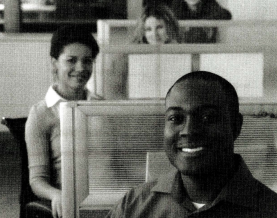
When extra space is being allocated, rather than giving it to specific individuals, the trend today is toward setting it aside to create a place where people can meet and teams can work.
وقتی فضای اضافی در حال تخصیص است، بهجای اختصاص دادن آن به افراد خاص، روند امروزی به سمت کنار گذاشتن آن برای ایجاد فضایی است که افراد بتوانند ملاقات کنند و تیمها بتوانند کار کنند.
These "public spaces" can be used for socializing, small group meetings, or as places where team members can work through problems.
این «فضاهای عمومی» میتوانند برای معاشرت، جلسات گروهی کوچک، یا مکانهایی برای همکاری اعضای تیم در حل مسائل مورد استفاده قرار گیرند.
ARRANGEMENT
چیدمان
While size is a measure of the amount of space per employee, the term arrangement refers to the distance between people and facilities.
در حالی که "اندازه" معیاری برای مقدار فضای اختصاص یافته به هر کارمند است، اصطلاح "چیدمان" به فاصله بین افراد و امکانات اشاره دارد.
The arrangement of the workplace is important primarily because it significantly influences social interaction.
چیدمان فضای کار از این جهت مهم است که بهطور قابلتوجهی بر تعاملات اجتماعی تأثیر میگذارد.
Research has shown that people are more likely to interact with those individuals who are physically close to them.
تحقیقات نشان دادهاند که افراد بیشتر با کسانی تعامل دارند که از نظر فیزیکی به آنها نزدیک هستند.
Employees' work locations, therefore, are likely to influence the information to which they are exposed and their inclusion or exclusion from various activities and events within the organization.
بنابراین، محل کار کارکنان احتمالاً بر اطلاعاتی که در معرض آن قرار میگیرند و همچنین بر مشارکت یا حذف آنها از فعالیتها و رویدادهای مختلف در سازمان تأثیر میگذارد.
A topic that has received a considerable amount of attention is furniture arrangement in traditional offices, specifically the placement of the desk and where the employee chooses to sit.
موضوعی که توجه زیادی را به خود جلب کرده است، چیدمان مبلمان در دفاتر سنتی است، بهویژه محل قرارگیری میز کار و جایی که کارمند برای نشستن انتخاب میکند.
Unlike workers on the factory floor, individuals in offices typically have some flexibility in laying out their office furniture.
بر خلاف کارگران در محیط کارخانه، کارکنان اداری معمولاً تا حدودی در چیدمان مبلمان دفتر خود انعطاف دارند.
And the arrangement of an office conveys nonverbal messages to visitors.
و چیدمان دفتر پیامهای غیرکلامی به بازدیدکنندگان منتقل میکند.
For instance, a desk placed between two parties conveys formality and the power of the officeholder, while chairs set so that individuals can sit at right angles to each other conveys a more natural and informal relationship.
برای مثال، میزی که بین دو طرف قرار گرفته باشد، رسمی بودن و قدرت صاحب دفتر را نشان میدهد، در حالی که صندلیهایی که بهگونهای چیده شدهاند که افراد بتوانند در زاویه قائم نسبت به یکدیگر بنشینند، نشاندهنده رابطهای طبیعیتر و غیررسمیتر است.
PRIVACY
حریم خصوصی
Privacy is in part a function of the amount of space per person and the arrangement of that space.
حریم خصوصی تا حدی تابعی از میزان فضای اختصاص یافته به هر فرد و چیدمان آن فضا است.
But it also is influenced by walls, screens, and other physical barriers.
اما همچنین تحت تأثیر دیوارها، صفحهها و دیگر موانع فیزیکی قرار دارد.
In recent years, a widespread work space design trend has been to phase out closed offices and replace them with open offices that have few, if any, walls or doors.
در سالهای اخیر، روند رایج در طراحی فضای کاری، حذف تدریجی دفاتر بسته و جایگزینی آنها با دفاتر باز بوده است که دیوارها یا درهای کمی دارند یا اصلاً ندارند.
The two very different perspectives on office space are sometimes described as the "cave versus cube" debate.
دو دیدگاه بسیار متفاوت درباره فضای اداری گاهی بهعنوان بحث "غار در برابر مکعب" توصیف میشود.
The "cave" provides privacy while the "cube" facilitates open communication.
"غار" حریم خصوصی فراهم میکند، در حالی که "مکعب" ارتباط باز را تسهیل میکند.
In the United States alone, an estimated 40 million people, or nearly 60 percent of the whole country's white-collar workforce, now work in cubes.
تنها در ایالات متحده، حدود ۴۰ میلیون نفر، یا تقریباً ۶۰ درصد از نیروی کار یقهسفید کشور، اکنون در مکعبهای اداری کار میکنند.
Caves limit interaction.
فضاهای بسته تعامل را محدود میکنند.
So organizations have sought to increase flexibility and employee collaboration by removing physical barriers such as high walls, closed offices, and doors.
بنابراین، سازمانها تلاش کردهاند با حذف موانع فیزیکی مانند دیوارهای بلند، دفاتر بسته، و درها، انعطافپذیری و همکاری کارکنان را افزایش دهند.
Yet, while the trend is clearly toward cubes, organizations are making exceptions for employees engaged in work that requires deep concentration.
با این حال، اگرچه روند بهوضوح به سمت دفاتر مکعبی (باز) پیش میرود، سازمانها برای کارمندانی که نیاز به تمرکز عمیق دارند استثنا قائل میشوند.
Companies such as Microsoft, Apple Computer, and Adobe Systems, for example, continue to rely primarily on private offices for software programmers.
برای مثال، شرکتهایی مانند مایکروسافت، اپل، و ادوبی همچنان عمدتاً از دفاتر خصوصی برای برنامهنویسان نرمافزار استفاده میکنند.
People who write code need to cooperate with others at times, but theirs is essentially a lonely task requiring tremendous concentration.
افرادی که کدنویسی میکنند گاهی نیاز به همکاری با دیگران دارند، اما کار آنها در اصل کاری انفرادی است که نیازمند تمرکز بسیار بالاست.
This is best achieved in a closed workplace that is cut off from others.
و این بیشترین بازدهی را در محیط کاری بسته و جدا از دیگران دارد.
A further extension of the open office concept is called "hoteling."
گسترش بیشتری از مفهوم دفتر باز، "هتلیسازی" (Hoteling) نام دارد.
Employees book reservations for space with the company office manager, get assigned a workplace, pull over a desk-on-wheels, plug the phone into a modem jack, and begin their work.
کارکنان از طریق مدیر اداری شرکت برای فضای کاری رزرو میگیرند، یک محل کار به آنها اختصاص داده میشود، میز چرخدار خود را به محل میکشند، تلفن را به پریز مودم وصل میکنند و کار را آغاز میکنند.
The only space that employees actually call their own is typically a bin or locker where they can keep their personal belongings.
تنها فضایی که کارکنان واقعاً آن را متعلق به خود میدانند، معمولاً یک سطل یا قفسهای است که میتوانند وسایل شخصیشان را در آن نگه دارند.
Employees "check out" each day when they depart.
کارکنان هر روز هنگام خروج، "تسویه" میکنند و محل کار را ترک مینمایند.
Used by organizations in management-consulting, financial, and high-tech sectors, where employees spend a significant percentage of their work time outside the office or in team meetings, it provides maximum office space flexibility.
این روش توسط سازمانهای فعال در حوزههایی مانند مشاوره مدیریت، مالی و فناوری پیشرفته که کارکنان زمان زیادی را خارج از دفتر یا در جلسات تیمی میگذرانند، مورد استفاده قرار میگیرد و حداکثر انعطافپذیری در فضای اداری را فراهم میکند.
However, hoteling has some serious downsides.
با این حال، هتلیسازی معایب جدیای نیز دارد.
Employees often feel rootless and complain that hoteling restricts the informal socializing and learning that come from having a fixed workplace location.
کارکنان اغلب احساس بیریشگی میکنند و شکایت دارند که هتلیسازی تعاملات اجتماعی غیررسمی و یادگیریهایی را که از داشتن یک محل کار ثابت بهدست میآید، محدود میکند.
What about individual differences?
تفاوتهای فردی چه میشوند؟
There is growing evidence that the desire for privacy is a strong one for many people.
شواهد فزایندهای وجود دارد که نشان میدهد میل به داشتن حریم خصوصی برای بسیاری از افراد بسیار قوی است.
Yet the trend is clearly toward less privacy at the workplace.
با این حال، روند آشکاراً بهسمت کاهش حریم خصوصی در محیط کار پیش میرود.
Further research is needed to determine whether or not organizational efforts to create open work spaces are incompatible with individual preferences for privacy and result in lower employee performance and satisfaction.
تحقیقات بیشتری لازم است تا مشخص شود که آیا تلاشهای سازمانی برای ایجاد فضاهای کاری باز با ترجیحات فردی برای حفظ حریم خصوصی ناسازگار است یا نه، و آیا این موضوع منجر به کاهش عملکرد و رضایت شغلی کارکنان میشود.
How does a redesigned work space positively affect employee productivity?
طراحی مجدد فضای کاری چگونه میتواند بهطور مثبت بر بهرهوری کارکنان تأثیر بگذارد؟
Studies suggest that work space, by itself, doesn't have a substantial motivational impact on people; rather, it makes certain behaviors easier or harder to perform.
مطالعات نشان میدهند که فضای کاری بهتنهایی تأثیر انگیزشی قابلتوجهی بر افراد ندارد؛ بلکه انجام برخی رفتارها را آسانتر یا دشوارتر میکند.
In this way, employee effectiveness is enhanced or reduced.
به این ترتیب، اثربخشی کارکنان افزایش یا کاهش مییابد.
More specifically, evidence shows that work space designs that increase employee contact, comfort, and flexibility are likely to positively influence motivation and productivity.
بهطور مشخصتر، شواهد نشان میدهند که طراحیهایی از فضای کاری که تماس، راحتی و انعطافپذیری کارکنان را افزایش میدهند، احتمالاً انگیزش و بهرهوری را بهطور مثبت تحت تأثیر قرار میدهند.
For instance, Amoco Corporation in Denver reported a 25 percent decrease in product cycle time (the time required to make its products), a 75 percent decrease in formal meeting time, an 80 percent reduction in duplicated files, and a 44 percent reduction in overall space costs after offices were redesigned to facilitate teamwork.
برای مثال، شرکت آموکو در دنور گزارش داد که پس از بازطراحی دفاتر برای تسهیل کار تیمی، زمان چرخه تولید محصولات ۲۵ درصد کاهش یافت، زمان جلسات رسمی ۷۵ درصد کاهش یافت، فایلهای تکراری ۸۰ درصد کاهش پیدا کرد و هزینههای کلی فضای اداری ۴۴ درصد کاهش یافت.
Based on the evidence to date, an approach that matches office space to the sophistication of the work required is probably best.
بر اساس شواهد موجود، رویکردی که فضای اداری را با میزان پیچیدگی کار تطبیق میدهد، احتمالاً بهترین گزینه است.
Jobs that are complex and require high degrees of concentration are likely to be made more difficult by noise and constant interruptions.
کارهایی که پیچیده هستند و نیاز به تمرکز بالایی دارند، بهاحتمال زیاد با سروصدا و وقفههای مداوم دشوارتر میشوند.
Such jobs are best done in closed offices.
این نوع کارها بهتر است در دفاتر بسته انجام شوند.
But most jobs don't require quiet and privacy.
اما بیشتر مشاغل نیازی به سکوت و حریم خصوصی ندارند.
In fact, quite the contrary, jobs today increasingly require regular interaction with others to achieve maximum productivity.
در واقع، برعکس، مشاغل امروزی بهطور فزایندهای به تعامل منظم با دیگران نیاز دارند تا به بیشترین بهرهوری دست یابند.
This is probably best achieved in an open office setting.
و این امر احتمالاً در یک محیط کاری باز به بهترین شکل ممکن حاصل میشود.