

کتاب Focus on vocabulary جلد 2
chapter 19
لغات هدف
| English | Persian |
|---|---|
| behalf | به نمایندگی از، به جای |
| empirical | تجربی، مبتنی بر تجربه |
| liberal | آزاداندیش، لیبرال |
| statistics | آمار |
| colleague | همکار |
| equate | معادل دانستن، برابر فرض کردن |
| mediate | میانجیگری کردن |
| straightforward | ساده، صریح |
| compile | جمعآوری کردن، گردآوری کردن |
| guideline | دستورالعمل، راهنما |
| notwithstanding | با وجود، علیرغم |
| substitute | جایگزین |
| compound | ترکیب، مخلوط |
| identical | یکسان، مشابه |
| pursue | دنبال کردن، پیگیری کردن |
| summarize | خلاصه کردن |
| comprehensive | جامع، کامل |
| infer | استنباط کردن، نتیجهگیری کردن |
| restrain | محدود کردن، مهار کردن |
| survive | بقا یافتن، زنده ماندن |
| deduce | نتیجهگیری کردن، استنباط کردن |
| journal | مجله، نشریه |
| reveal | فاش کردن، نشان دادن |
| undertake | آغاز کردن، برعهده گرفتن |
Most people are aware of the continuing problems we face in producing sufficient food for the world's population.
بیشتر مردم از مشکلات مداومی که در تولید غذای کافی برای جمعیت جهانی با آن مواجه هستیم آگاه هستند.
However, food production is just one aspect of food supply.
با این حال، تولید غذا تنها یک جنبه از تأمین غذا است.
Food must also be preserved and stored.
غذا باید همچنین حفظ و ذخیره شود.
As agents of spoilage, microorganisms are serious competitors for the world's food supply.
به عنوان عاملان فاسد شدن، میکروارگانیسمها رقبای جدی برای تأمین غذای جهان هستند.
Louis Pasteur (1822-1895) was one of the first researchers to study food microbiology.
لوئیس پاستور (۱۸۲۲-۱۸۹۵) یکی از اولین محققانی بود که به مطالعه میکروبشناسی غذا پرداخت.
He began by pursuing a career as a chemist, but his work soon became connected with microorganisms as he undertook to solve the problem of spoilage of wine and milk.
او ابتدا به عنوان شیمیدان فعالیت خود را آغاز کرد، اما کارهای او به زودی با میکروارگانیسمها ارتباط پیدا کرد زیرا او به حل مشکل فاسد شدن شراب و شیر پرداخت.
Pasteur's studies revealed the microbiological nature of fermentations and led the way to using heat to prevent spoilage of vinegar, beer, wine, and milk.
مطالعات پاستور ماهیت میکروبشناسی تخمیرها را آشکار کرد و راه را برای استفاده از گرما برای جلوگیری از فساد سرکه، آبجو، شراب و شیر هموار ساخت.
Soon "pasteurization" became used throughout the world.
به زودی "پاستوریزاسیون" در سراسر جهان مورد استفاده قرار گرفت.
Today, it is still used to preserve beverages and control communicable diseases.
امروزه همچنان برای حفظ نوشیدنیها و کنترل بیماریهای مسری استفاده میشود.
Microorganisms play major roles in many aspects of food.
میکروارگانیسمها نقشهای عمدهای در جنبههای مختلف غذا دارند.
Notwithstanding their role as agents of spoilage, microorganisms play two roles in the production of foods.
با وجود نقش آنها به عنوان عاملان فساد، میکروارگانیسمها دو نقش در تولید غذاها ایفا میکنند.
First and most importantly, they modify foods through their biochemical activities.
اولین و مهمترین نقش آنها این است که از طریق فعالیتهای بیوشیمیایی خود غذاها را تغییر میدهند.
Microbial fermentation of foods results in biochemical changes that can lead to desirable flavors and textures in foods.
تخمیر میکروبی غذاها منجر به تغییرات بیوشیمیایی میشود که میتواند به طعمها و بافتهای مطلوب در غذاها منجر شود.
It can also increase the nutritional quality and digestibility of foods.
همچنین میتواند کیفیت تغذیهای و هضمپذیری غذاها را افزایش دهد.
Second, microorganisms may be grown, harvested, and served as foods themselves.
دومین نقش میکروارگانیسمها این است که ممکن است خودشان رشد کرده، برداشت شوند و به عنوان غذا مصرف شوند.
For example, marine algae have been harvested as food for centuries in Asian countries, and mushrooms are consumed throughout the world as a protein-rich food.
برای مثال، جلبکهای دریایی به مدت قرنها به عنوان غذا در کشورهای آسیایی برداشت شدهاند و قارچها به عنوان غذایی غنی از پروتئین در سراسر جهان مصرف میشوند.
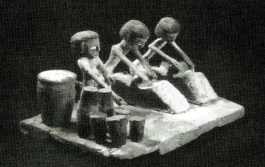
Microbial fermentation of foods has been used since ancient times.
تخمیر میکروبی غذاها از زمانهای باستان مورد استفاده قرار گرفته است.
Stone tablets that have survived from Babylon describe beer, and Egyptian hieroglyphics and figures depict the making of fermented foods.
لوحهای سنگی که از بابل به جا ماندهاند، بیسکویت را توصیف میکنند و هیرولوفیکها و تصاویر مصری ساخت غذاهای تخمیر شده را به تصویر میکشند.
Today, microbial fermentations remain a significant part of food production.
امروزه تخمیر میکروبی همچنان بخش مهمی از تولید غذا است.
Fruits are still fermented to produce wines, grains are fermented into beers, fermented milk becomes cheese, and fermented vegetables become a variety of delicious foods.
میوهها هنوز برای تولید شراب تخمیر میشوند، غلات به آبجو تبدیل میشوند، شیر تخمیر شده به پنیر تبدیل میشود و سبزیجات تخمیر شده به انواع غذاهای خوشمزه تبدیل میشوند.
Sometimes the choice of microorganism is straightforward, with fermentation relying on the bacteria naturally present on the food.
گاهی اوقات انتخاب میکروارگانیسم واضح است، با این حال تخمیر به باکتریهای طبیعی موجود در غذا بستگی دارد.
Other fermented foods may be prepared by enhancing natural microbial populations with cultures grown in the laboratory, or they may be totally dependent on laboratory-grown cultures.
غذاهای تخمیر شده دیگر ممکن است با تقویت جمعیتهای میکروبی طبیعی با کشتهای رشد یافته در آزمایشگاه آماده شوند یا ممکن است کاملاً به کشتهای رشد یافته در آزمایشگاه وابسته باشند.
For example, wines and beers rely on cultures of specific yeast strains maintained and tightly guarded by wineries and breweries.
برای مثال، شرابها و آبجوها به کشتهای سویههای خاصی از مخمر بستگی دارند که توسط کارخانههای شرابسازی و آبجوسازی نگهداری و به دقت محافظت میشوند.
Cheeses are made by adding specific cultures of bacteria or fungi to milk at various stages of production.
پنیرها با افزودن کشتهای خاصی از باکتریها یا قارچها به شیر در مراحل مختلف تولید ساخته میشوند.
In contrast, sauerkraut production uses natural bacterial populations on cabbage, and pickles are fermented with populations of bacteria that occur naturally on cucumbers.
در مقابل، تولید ساورکراوت از جمعیتهای باکتریایی طبیعی روی کلم استفاده میکند و خیارشورها با جمعیتهای باکتریایی که به طور طبیعی روی خیارها یافت میشوند، تخمیر میشوند.
Herbs and spices also play an important role in the microbiology of food.
گیاهان و ادویهها همچنین نقش مهمی در میکروبشناسی غذا دارند.
We tend to equate herbs and spices with flavorful foods.
ما معمولاً گیاهان و ادویهها را با غذاهای پرطعم و خوشمزه معادل میدانیم.
But herbs and spices do more than make foods taste better.
اما گیاهان و ادویهها بیشتر از اینکه غذاها را خوشمزهتر کنند، کارهایی انجام میدهند.
They have been used for centuries as medicines and to preserve foods.
این گیاهان و ادویهها قرنها به عنوان دارو و برای نگهداری غذاها استفاده شدهاند.
Today, there is renewed interest in the potential medicinal value of these traditional food flavor enhancers.
امروزه علاقه جدیدی به ارزشهای دارویی بالقوه این تقویتکنندههای طعم سنتی غذاها وجود دارد.
Although the terms herb and spice are sometimes used interchangeably, they are not identical.
اگرچه اصطلاحات گیاه و ادویه گاهی به طور متناوب استفاده میشوند، اما یکسان نیستند.
An herb is generally considered to be a plant that is used as a medicine, seasoning, or flavoring, whereas a spice usually is thought of as a dried plant product used mainly as a seasoning.
یک گیاه به طور کلی به عنوان گیاهی در نظر گرفته میشود که به عنوان دارو، چاشنی یا طعمدهنده استفاده میشود، در حالی که ادویه معمولاً به عنوان یک محصول خشکشده گیاهی که عمدتاً به عنوان چاشنی استفاده میشود، شناخته میشود.
There is considerable empirical evidence that both have antimicrobial properties.
شواهد تجربی قابل توجهی وجود دارد که نشان میدهد هر دو دارای خواص ضد میکروبی هستند.
In 1997, Dr. Paul Sherman and Dr. Jennifer Billing summarized the results of their examination of forty-three herbs and spices used in more than 4,000 meat dishes from thirty-six countries.
در سال ۱۹۹۷، دکتر پل شرمن و دکتر جنیفر بیلینگ نتایج بررسی خود از چهل و سه گیاه و ادویه استفاده شده در بیش از ۴۰۰۰ غذای گوشتی از ۳۶ کشور را خلاصه کردند.
Statistics showed that onions, black and white pepper, garlic, lemon juice, hot peppers, and ginger were used most often.
آمار نشان داد که پیاز، فلفل سیاه و سفید، سیر، آب لیمو، فلفلهای تند و زنجبیل بیشتر از همه استفاده میشدند.
When they evaluated the antimicrobial activities of each plant product, they found that garlic, onion, allspice, and oregano killed all the different types of harmful bacteria they tested, including Salmonella and Staphylococcus.
وقتی آنها فعالیتهای ضد میکروبی هر محصول گیاهی را ارزیابی کردند، دریافتند که سیر، پیاز، فلفل دلمهای و اورگانو تمام انواع مختلف باکتریهای مضر که آزمایش کردند، از جمله سالمونلا و استافیلوکوکوس را از بین بردند.
Other herbs and spices killed at least 75 percent of the test bacteria.
سایر گیاهان و ادویهها حداقل ۷۵ درصد از باکتریهای آزمایشی را کشتند.
The ten heaviest spice-using countries—Ethiopia, Greece, India, Indonesia, Iran, Kenya, Malaysia, Morocco, Nigeria, and Thailand—all have hot, tropical climates, and Sherman and Billing deduced that their heavy use of spices has served to mediate, or decrease, the effects of microorganisms in food spoilage, which is much more of a problem in the tropics than in temperate and cool climates.
ده کشور با بالاترین مصرف ادویهها—اتیوپی، یونان، هند، اندونزی، ایران، کنیا، مالزی، مراکش، نیجریه و تایلند—همه دارای اقلیمهای گرم و استوایی هستند، و شرمن و بیلینگ استنباط کردند که استفاده زیاد آنها از ادویهها به کاهش یا کاهش تأثیرات میکروارگانیسمها در فساد غذا کمک کرده است، که در مناطق استوایی بسیار بیشتر از مناطق معتدل و سرد مشکلساز است.
In a 1998 paper in The New England Journal of Medicine, Dr. Amy Howell reported on behalf of her research team at Rutgers University that cranberries contain antibacterial compounds called proanthocyanidins.
در مقالهای که در سال ۱۹۹۸ در مجله پزشکی نیوانگلند منتشر شد، دکتر امی هاول به نمایندگی از تیم تحقیقاتی خود در دانشگاه راتگرز گزارش داد که توتهای کرنبری حاوی ترکیبات ضدباکتری به نام پروآنتوسیانیدینها هستند.
These compounds appear to work by restraining Escherichia coli, the leading cause of urinary tract infections, from colonizing in the bladder and kidneys.
به نظر میرسد این ترکیبات با محدود کردن اشرشیا کلی، عامل اصلی عفونتهای دستگاه ادراری، از مستعمره شدن آن در مثانه و کلیهها جلوگیری میکنند.
This study thus substantiated claims that drinking cranberry juice regularly can reduce the incidence of urinary tract infections.
این مطالعه ادعاها مبنی بر اینکه نوشیدن منظم آبمیوه کرنبری میتواند شیوع عفونتهای دستگاه ادراری را کاهش دهد را تأیید کرد.
In 1998, Dr. Daniel Y. C. Fung and his colleagues reported that five common spices can kill bacteria that cause food poisoning.
در سال ۱۹۹۸، دکتر دنیل ی. سی. فانگ و همکارانش گزارش دادند که پنج ادویه رایج میتوانند باکتریهای عامل مسمومیت غذایی را از بین ببرند.
During their experiments, they mixed twenty-three spices with beef and salami infected with bacteria.
در طول آزمایشهای خود، آنها بیست و سه ادویه را با گوشت گاو و سالامی که با باکتری آلوده شده بودند مخلوط کردند.
The most powerful antibacterial agents were garlic, cloves, cinnamon, oregano, and sage.
قدرتمندترین عوامل ضدباکتری، سیر، میخک، دارچین، اورگانو و مریمگلی بودند.
Research under laboratory conditions clearly indicates that herbs and spices both flavor foods and inhibit, or restrain, microorganisms.
تحقیقات تحت شرایط آزمایشگاهی به وضوح نشان میدهند که گیاهان و ادویهها هم غذاها را طعمدار کرده و هم میکروارگانیسمها را مهار یا محدود میکنند.
Although we may infer that herbs and spices play a similar role under natural conditions, not enough scientific data has been compiled to prove this.
اگرچه ممکن است استنباط کنیم که گیاهان و ادویهها در شرایط طبیعی نقش مشابهی ایفا میکنند، اما دادههای علمی کافی برای اثبات این موضوع جمعآوری نشده است.
Nevertheless, the antimicrobial effects of herbs and spices are supported by cultural traditions and folklore.
با این حال، اثرات ضد میکروبی گیاهان و ادویهها توسط سنتهای فرهنگی و افسانههای عامه پشتیبانی میشود.
Despite the undeniable benefits of herbs and spices, there are some cautions to be observed.
با وجود فواید غیرقابل انکار گیاهان و ادویهها، برخی احتیاطها باید رعایت شود.
The active components of herbs and spices, primarily oils, are changed through cooking and digestive processes.
اجزای فعال گیاهان و ادویهها، بهویژه روغنها، از طریق فرایندهای پخت و هضم تغییر میکنند.
Heat especially will evaporate or inactivate their antimicrobial properties.
گرما بهویژه میتواند خواص ضد میکروبی آنها را تبخیر یا غیرفعال کند.
Some herbs and spices also could cause illness if taken internally in large doses, and the medical community is concerned that people may get into trouble by self-medicating with liberal or excessive amounts of herbal remedies.
برخی از گیاهان و ادویهها همچنین ممکن است در دوزهای بالا باعث بیماری شوند، و جامعه پزشکی نگران است که افراد با مصرف خودسرانه یا زیاد از داروهای گیاهی دچار مشکل شوند.
Some people may also be tempted to substitute herbal remedies for more conventional medicines without first consulting their doctor.
برخی از افراد ممکن است وسوسه شوند که داروهای گیاهی را به جای داروهای سنتی مصرف کنند بدون اینکه ابتدا با پزشک خود مشورت کنند.
Additionally, although the Food and Drug Administration (FDA) offers some guidelines on the use of some specific herbal preparations, there are no comprehensive federal regulations governing the quality of herbal remedies, including those that contain potentially harmful contaminants.
علاوه بر این، اگرچه سازمان غذا و داروی ایالات متحده (FDA) دستورالعملهایی برای استفاده از برخی از داروهای گیاهی خاص ارائه میدهد، اما هیچ مقررات جامع فدرالی برای نظارت بر کیفیت داروهای گیاهی، از جمله آنهایی که ممکن است حاوی آلایندههای مضر باشند، وجود ندارد.
Overall, microorganisms can be seen both as enhancers and destroyers of food.
به طور کلی، میکروارگانیسمها میتوانند هم به عنوان تقویتکننده و هم به عنوان ویرانگر غذاها دیده شوند.
Employing beneficial microorganisms in food production and fighting harmful microorganisms through heat treatment and the careful use of herbs and spices are two ways of using microbiology to maximize the world's food resources.
استفاده از میکروارگانیسمهای مفید در تولید غذا و مبارزه با میکروارگانیسمهای مضر از طریق درمان با حرارت و استفاده دقیق از گیاهان و ادویهها دو روش برای استفاده از میکروبشناسی به منظور به حداکثر رساندن منابع غذایی جهان هستند.