

کتاب Focus on vocabulary جلد 2
chapter 7
لغات هدف
| English | Persian |
|---|---|
| accuracy | دقت، صحت |
| demonstrate | نشان دادن، نمایش دادن |
| instance | نمونه، مورد |
| perspective | دیدگاه، چشمانداز |
| achieve | دستیابی به، بهدست آوردن |
| deny | انکار کردن، رد کردن |
| intensity | شدت، قدرت |
| prior | پیشین، قبلی |
| alter | تغییر دادن |
| derive | استخراج کردن، بهدست آوردن |
| mental | ذهنی |
| rejection | رد، طرد |
| attribute | ویژگی، خصوصیت |
| dimension | بعد، ابعاد |
| motivate | انگیزه دادن، تحریک کردن |
| stability | ثبات، استحکام |
| challenge | چالش، چالشبرانگیز |
| emerge | ظاهر شدن، نمایان شدن |
| participant | شرکتکننده |
| trigger | تحریک کردن، راه انداختن |
| vision | بینش، دید |
| consistent | ثابت، سازگار |
| expose | نمایان کردن، آشکار ساختن |
| perceive | درک کردن، مشاهده کردن |
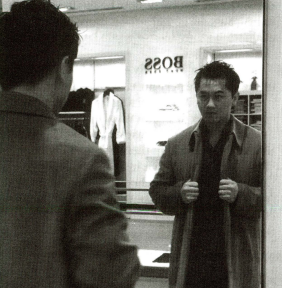
How Perspectives on the Self Influence Consumer Behavior
چگونه نگرشها به خود بر رفتار مصرفکننده تأثیر میگذارند
Many people feel that their self-image and possessions affect their value as a person.
بسیاری از مردم احساس میکنند که تصویر خودشان و داراییهایشان بر ارزش آنها بهعنوان فرد تأثیر میگذارد.
Products, from cars to aftershave, are often bought because a person is trying either to show off or to deny some aspect of his or her self.
محصولات، از اتومبیلها تا افترشیو، اغلب خریداری میشوند زیرا فرد سعی دارد یا خود را به نمایش بگذارد یا جنبهای از خود را انکار کند.
How consumers feel about themselves shapes their consumption habits, particularly as they try to fulfill social expectations about how a male or female should look and act.
چگونگی احساس مصرفکنندگان نسبت به خود، عادات مصرفی آنها را شکل میدهد، بهویژه زمانی که آنها تلاش میکنند انتظارات اجتماعی در مورد اینکه یک مرد یا زن چگونه باید به نظر برسد و رفتار کند را برآورده کنند.
DOES THE SELF EXIST?
آیا خود وجود دارد؟
The 1980s were called the "Me Decade" because for many this time was marked by a fascination with the self.
دهه 1980 "دهه من" نامیده شد زیرا برای بسیاری از افراد این دوران با جذب به خود همراه بود.
The idea that each person has a self may seem natural to us, but this concept is actually quite new.
ایده اینکه هر فردی یک خود دارد ممکن است برای ما طبیعی به نظر برسد، اما این مفهوم در واقع کاملاً جدید است.
The idea that each human life is unique developed in late medieval times (between the eleventh and fifteenth centuries in Europe).
ایده اینکه هر زندگی انسانی منحصر به فرد است در اواخر دوران قرون وسطی (بین قرن یازدهم و پانزدهم میلادی در اروپا) شکل گرفت.
Prior to that time, individuals were considered in relation to a group, and even today, many Eastern cultures place more emphasis on the importance of a collective self than on a unique, independent self.
قبل از آن زمان، افراد در ارتباط با یک گروه در نظر گرفته میشدند و حتی امروزه بسیاری از فرهنگهای شرقی بیشتر بر اهمیت یک خود جمعی تأکید دارند تا یک خود منحصر به فرد و مستقل.
Both Eastern and Western cultures see the self as divided into an inner, private self and an outer, public self.
هم فرهنگهای شرقی و غربی خود را به یک خود درونی و خصوصی و یک خود بیرونی و عمومی تقسیم میکنند.
But where they differ is in terms of which part is seen as the "real you."
اما جایی که تفاوت دارند در این است که کدام بخش بهعنوان "خود واقعی" دیده میشود.
Western culture tends to promote the idea of individuality—a self that is separated from other selves.
فرهنگ غربی تمایل دارد ایده فردیت را ترویج دهد - خودی که از دیگر خودها جدا است.
In contrast, many Eastern cultures focus on an interdependent self that derives its identity in large part from interrelationships with others.
در مقابل، بسیاری از فرهنگهای شرقی بر خودی وابسته متقابل تمرکز دارند که بخش عمدهای از هویت خود را از روابط متقابل با دیگران به دست میآورد.
For example, a Confucian perspective stresses the importance of "face" - other people's perceptions of the self and maintaining one's desired status in their eyes.
برای مثال، دیدگاه کنفوسیوسی بر اهمیت "چهره" تأکید میکند - تصورات دیگران از خود و حفظ وضعیت مطلوب خود در چشم آنها.
In the past, some Asian cultures developed clear rules about the specific clothes and even colors that people in certain social classes and occupations were allowed to display, and these live on today in Japanese style manuals.
در گذشته، برخی از فرهنگهای آسیایی قوانین روشنی در مورد لباسهای خاص و حتی رنگهایی که افراد در طبقات اجتماعی و مشاغل خاص اجازه داشتند نمایش دهند، توسعه دادند و این قوانین هنوز در دستورالعملهای سبک ژاپنی وجود دارند.
This style of dress is at odds with such Western practices as "casual Fridays," which encourage employees to dress informally and express their unique selves.
این سبک لباس پوشیدن با چنین سنتهای غربی مانند "جمعههای غیررسمی" که کارکنان را تشویق میکند تا غیررسمی لباس بپوشند و خود منحصر به فرد خود را ابراز کنند، در تضاد است.
SELF-CONCEPT
خودپنداره
To understand the many factors that affect a person's sense of self, sociologists look at a person's self-concept.
برای درک عوامل زیادی که بر احساس فرد نسبت به خود تأثیر میگذارند، جامعهشناسان به خودپنداره فرد نگاه میکنند.
The term self-concept refers to the beliefs a person holds about his or her attributes; and how he or she evaluates these qualities.
اصطلاح "خودپنداره" به باورهایی اشاره دارد که فرد درباره ویژگیهای خود دارد؛ و اینکه چگونه این ویژگیها را ارزیابی میکند.
While a person's overall self-concept may be positive, there are certainly parts of the self that tend to be evaluated more positively than others.
اگرچه ممکن است خودپنداره کلی یک فرد مثبت باشد، اما قطعاً بخشهایی از خود وجود دارند که نسبت به بخشهای دیگر به شکل مثبتتری ارزیابی میشوند.
For instance, a young man may derive more confidence from his identity as an employee of a large company than he does as the father of a new baby.
برای مثال، یک مرد جوان ممکن است اعتمادبهنفس بیشتری از هویت شغلی خود بهعنوان کارمند یک شرکت بزرگ بهدست آورد تا از نقش خود بهعنوان پدر یک نوزاد تازه متولد شده.
COMPONENTS OF THE SELF
اجزای خود
A person's self-concept is a very complex structure, with many attributes.
خودپندارهی یک فرد ساختاری بسیار پیچیده و شامل ویژگیهای فراوانی است.
To evaluate a person's self-concept, it is necessary to consider the following dimensions of the overall self:
برای ارزیابی خودپندارهی یک فرد، لازم است ابعاد زیر از خود کلی در نظر گرفته شود:
Content – what the self-concept is based on (e.g., is it based on a trait like facial attractiveness or mental ability?)
محتوا – خودپنداره بر چه چیزی مبتنی است (مثلاً آیا بر ویژگیهایی مانند جذابیت چهره یا توانایی ذهنی استوار است؟)
Positivity or negativity – whether it reflects a high or low degree of self-confidence
مثبت یا منفی بودن – آیا این خودپنداره میزان بالایی از اعتماد به نفس را نشان میدهد یا میزان پایینی؟
Intensity – whether it is strong or weak
شدت – آیا این خودپنداره قوی است یا ضعیف؟
Stability – whether it remains consistent over time
ثبات – آیا این خودپنداره در طول زمان ثابت باقی میماند یا تغییر میکند؟
Accuracy – whether it corresponds to reality
دقت – آیا این خودپنداره با واقعیت مطابقت دارد یا نه؟
As we'll see later, consumers' self-assessments can be quite inaccurate, especially when it comes to physical appearance.
همانطور که در ادامه خواهیم دید، ارزیابیهای افراد از خودشان میتواند بسیار نادقیق باشد، بهویژه وقتی پای ظاهر فیزیکی به میان میآید.
SELF-ESTEEM
عزت نفس
Self-esteem is a reflection of how positive or negative a person's self-concept is.
عزت نفس بازتابی از میزان مثبت یا منفی بودن خودپندارهی فرد است.
People with low self-esteem do not expect that they will perform very well, and they will try to avoid embarrassment, failure, or rejection.
افرادی که عزت نفس پایینی دارند انتظار ندارند عملکرد خوبی داشته باشند و سعی میکنند از شرمندگی، شکست یا طرد شدن اجتناب کنند.
In contrast, people with high self-esteem expect to be successful, will take more risks, and are more willing to be the center of attention.
در مقابل، افرادی که عزت نفس بالایی دارند انتظار موفقیت دارند، بیشتر ریسک میکنند و آمادگی بیشتری برای در مرکز توجه بودن دارند.
Self-esteem is often related to being accepted by others.
عزت نفس اغلب با پذیرفته شدن از سوی دیگران ارتباط دارد.
For example, teenagers who are members of high-status groups have higher self-esteem than their excluded classmates.
برای مثال، نوجوانانی که عضو گروههای دارای موقعیت اجتماعی بالا هستند، عزت نفس بالاتری نسبت به همکلاسیهای طردشدهشان دارند.
Marketing communications can influence a consumer's level of self-esteem.
تبلیغات بازاریابی میتواند بر سطح عزت نفس مصرفکننده تأثیر بگذارد.
Exposure to advertisements can trigger a process of social comparison, in which a person tries to evaluate his or her self by comparing it to the people shown in advertising images.
تماس با تبلیغات میتواند فرآیند مقایسه اجتماعی را فعال کند، که در آن فرد سعی میکند خود را با افرادی که در تصاویر تبلیغاتی نشان داده میشوند مقایسه کند.
This form of comparison appears to be a basic human motive.
این نوع مقایسه به نظر میرسد یکی از انگیزههای اساسی انسان باشد.
Many marketers have tapped into this need by supplying idealized images of happy, attractive people who are using their products in order to motivate people to buy the products.
بسیاری از بازاریابها از این نیاز بهرهبرداری کردهاند و با ارائه تصاویری ایدهآل از افراد شاد و جذاب که از محصولات آنها استفاده میکنند، مردم را به خرید ترغیب میکنند.
A recent study illustrates how this social comparison process works.
یک مطالعه اخیر نشان میدهد که این فرآیند مقایسه اجتماعی چگونه عمل میکند.
The study showed that female college students tend to compare their physical appearance with advertising models.
مطالعه نشان داد که دانشجویان دختر تمایل دارند ظاهر فیزیکی خود را با مدلهای تبلیغاتی مقایسه کنند.
Study participants were exposed to beautiful women in advertisements.
شرکتکنندگان در مطالعه در معرض تصاویر زنان زیباروی در تبلیغات قرار گرفتند.
Afterwards the participants expressed lowered satisfaction with their own appearance as compared with other participants who were not exposed to the advertisements.
پس از آن، شرکتکنندگان نسبت به ظاهر خود رضایت کمتری ابراز کردند، در مقایسه با کسانی که در معرض تبلیغات قرار نگرفته بودند.
Another study demonstrated that young women's perceptions of their own body shapes and sizes were altered after the women had viewed as little as thirty minutes of TV programming.
مطالعه دیگری نشان داد که درک زنان جوان از شکل و اندازه بدن خود پس از تنها سی دقیقه تماشای برنامههای تلویزیونی تغییر کرد.
Self-esteem advertising attempts to change people's product attitudes by stimulating positive feelings about the self.
تبلیغات مبتنی بر عزت نفس تلاش میکند نگرش افراد به محصولات را با تحریک احساسات مثبت نسبت به خودشان تغییر دهد.
One strategy is to challenge the consumer's self-esteem and then show a product or service that will provide a remedy.
یکی از راهبردها این است که عزت نفس مصرفکننده به چالش کشیده شود، سپس محصول یا خدمتی نشان داده شود که راهحلی ارائه میدهد.
For example, an advertisement for Zest soap says, "You're not fully clean until you're Zestfully clean."
برای مثال، یک تبلیغ برای صابون Zest میگوید: «تو کاملاً تمیز نیستی، مگر اینکه با Zest تمیز شده باشی!»
When consumers compare their actual attributes to their ideal image of themselves, their self-esteem often suffers.
وقتی مصرفکنندگان ویژگیهای واقعی خود را با تصویر ایدهآل از خود مقایسه میکنند، عزت نفس آنها اغلب آسیب میبیند.
Consumers might ask themselves questions such as, "Am I as attractive as I would like to be?" "Do I make as much money as I should?"
مصرفکنندگان ممکن است از خود بپرسند: «آیا بهاندازهای که دوست دارم جذاب هستم؟» یا «آیا بهاندازه کافی پول درمیآورم؟»
The ideal self — a person's conception of how he or she would like to be — and the actual self — a more realistic self-evaluation of the qualities one has or lacks — are often in conflict.
«خود ایدهآل» یعنی تصوری که فرد از آنچه میخواهد باشد دارد، و «خود واقعی» یعنی ارزیابی واقعگرایانهتری از ویژگیهایی که فرد دارد یا ندارد، اغلب با یکدیگر در تضاد هستند.
The ideal self is partly shaped by elements of the consumer's culture, such as heroes or people shown in advertising images who serve as models of achievement or appearance.
خود ایدهآل تا حدی تحت تأثیر عناصر فرهنگی مصرفکننده شکل میگیرد، مانند قهرمانان یا افرادی که در تصاویر تبلیغاتی بهعنوان الگوهای موفقیت یا ظاهر نشان داده میشوند.
Consumers may purchase a product because they hope it will help them achieve the kind of goals or look shown in an advertisement.
مصرفکنندگان ممکن است محصولی را بخرند زیرا امیدوارند که آن محصول به آنها کمک کند به اهداف یا ظاهری مشابه آنچه در تبلیغات نشان داده میشود دست یابند.
Consumers may also choose products that they perceive to be consistent with their actual self, or products that they believe will help them reach their ideal self.
مصرفکنندگان همچنین ممکن است محصولاتی را انتخاب کنند که با خود واقعی آنها هماهنگ باشد، یا محصولاتی که فکر میکنند به آنها کمک میکند به خود ایدهآلشان برسند.
FANTASY: BRIDGING THE GAP BETWEEN THE SELVES
فانتزی: پل زدن بین خود واقعی و خود ایدهآل
While most people experience an inconsistency between their real and ideal selves, for some consumers this gap is larger than for others.
اگرچه بیشتر افراد ناسازگاریای بین خود واقعی و خود ایدهآلشان تجربه میکنند، اما برای برخی مصرفکنندگان این فاصله بسیار بیشتر است.
These people are especially good targets for marketing communications that employ fantasy to attract consumer attention.
این افراد اهداف خوبی برای تبلیغاتی هستند که از فانتزی برای جلب توجه مصرفکننده استفاده میکنند.
The marketing strategies allow consumers to create a vision of themselves by placing them in unfamiliar, exciting situations or by permitting them to try interesting or challenging roles.
این استراتژیهای بازاریابی به مصرفکنندگان اجازه میدهند تصویری از خود بسازند، با قرار دادن آنها در موقعیتهای ناآشنا و هیجانانگیز یا دادن اجازه تجربه نقشهایی جالب یا چالشبرانگیز.
With today's technology—for instance, online makeovers or virtual previews of sunglasses or clothing—consumers can even experiment with different looks before actually buying products and services in the real world.
با فناوریهای امروزی—برای مثال، تغییر ظاهر آنلاین یا پیشنمایش مجازی عینک یا لباس—مصرفکنندگان حتی میتوانند پیش از خرید واقعی محصولات و خدمات در دنیای واقعی، ظاهرهای مختلف را امتحان کنند.
MULTIPLE SELVES
خودهای چندگانه
As we have seen, the self is complex.
همانطور که دیدیم، مفهوم خود پیچیده است.
In addition, most people really have a variety of selves, or role identities.
علاوه بر این، بیشتر افراد در واقع دارای مجموعهای از خودها یا هویتهای نقش هستند.
This means that in a way, any one person is a number of different people; for example, your mother probably would not recognize the "you" that emerges while you're on vacation with a group of friends!
این بدان معناست که هر فرد، به نوعی، چند نفر متفاوت است؛ برای مثال، احتمالاً مادرتان «تو»یی را که در تعطیلات با دوستانت ظاهر میشوی، نمیشناسد!
People have as many selves as they do different social roles (e.g., husband, boss, student).
افراد به اندازه نقشهای اجتماعی مختلف خود، خودهای متعددی دارند (مثلاً شوهر، رئیس، دانشجو).
Depending on the situation, individuals act differently and use different products and services.
بسته به موقعیت، افراد رفتار متفاوتی دارند و از محصولات و خدمات مختلفی استفاده میکنند.
A person may require a different set of products to play a desired role: A man may choose a blue pin-striped suit when he is being his professional self, but wear chinos and a Hawaiian shirt when he goes out on Saturday night.
یک فرد ممکن است برای ایفای نقشی خاص به مجموعهای متفاوت از محصولات نیاز داشته باشد: یک مرد ممکن است برای نقش حرفهای خود، یک کتوشلوار راهراه آبی انتخاب کند، اما برای شب شنبه، شلوار کتان و پیراهن هاوایی بپوشد.
Like actors on a stage, consumers play different roles, and each role has its own script, props, and costumes.
مثل بازیگران روی صحنه، مصرفکنندگان نقشهای مختلفی ایفا میکنند، و هر نقش فیلمنامه، وسایل و لباسهای خاص خودش را دارد.
These roles and other factors have a strong influence on consumer behavior.
این نقشها و عوامل دیگر تأثیر زیادی بر رفتار مصرفکننده دارند.