

کتاب Focus on vocabulary جلد 2
chapter 11
لغات هدف
| English | Persian |
|---|---|
| adapt | سازگار شدن، تطبیق یافتن |
| establish | تأسیس کردن، برپا کردن |
| overall | کلی، جامع |
| stressful | استرسزا |
| analytic | تحلیلی |
| hence | از این رو، بنابراین |
| overlap | همپوشانی، تداخل |
| sufficient | کافی |
| approximately | تقریبا |
| incorporate | گنجاندن، ادغام کردن |
| parallel | موازی |
| theory | نظریه |
| assess | ارزیابی کردن، سنجیدن |
| injured | آسیبدیده، زخمی |
| period | دوره، بازه زمانی |
| transmit | انتقال دادن، ارسال کردن |
| undergo | گذراندن، تجربه کردن |
| contracted | قرارداد بسته، متراکم |
| internal | داخلی |
| preceding | پیشین، قبلی |
| discriminating | تبعیضآمیز |
| military | نظامی |
| series | سری، مجموعه |
| volunteer | داوطلب |
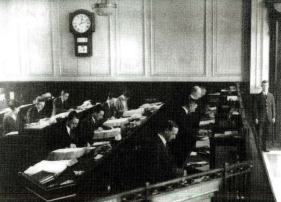
The modern office has undergone many changes in the past 150 years.
دفتر کار مدرن در ۱۵۰ سال گذشته تغییرات زیادی داشته است.
Now equipped with computers, it looks nothing like the rooms in which male clerks once wrote entries in account books or penned letters.
امروزه که با کامپیوترها تجهیز شده است، هیچ شباهتی به اتاقهایی ندارد که در آنها منشیهای مرد روزگاری واردات کتابهای حسابداری را مینوشتند یا نامهها را مینگاشتند.
By the middle of the twentieth century, clerks had changed from standing at work to sitting, and most office employees were females.
تا اواسط قرن بیستم، منشیها از ایستادن در محل کار به نشستن تغییر وضعیت دادند و بیشتر کارکنان اداری زنان بودند.
The idea, however, that "healthy sitting is sitting upright" was still dominant, and modern office furniture was designed for that body position.
با این حال، ایدهی "نشستن سالم، نشستن راستقامت است" هنوز غالب بود و مبلمان اداری مدرن برای آن وضعیت بدنی طراحی شده بود.
In the workplace, most employees either have to stand or sit for many hours each day.
در محل کار، بیشتر کارکنان باید برای ساعتهای زیادی در روز بایستند یا بنشینند.
Sitting is a much less tiring posture than standing, mostly because it requires fewer muscles to be contracted to stabilize the seated body and keep it upright.
نشستن حالت کمتری از خستگی نسبت به ایستادن دارد، عمدتاً به این دلیل که نیاز به انقباض کمتری از عضلات برای تثبیت بدن نشسته و نگهداشتن آن بهصورت ایستاده دارد.
But theories about the best way to sit vary widely.
اما نظریات در مورد بهترین روش نشستن بهشدت متنوع است.
In 1884, the scientist Staffel published his theories about proper "healthy" sitting postures.
در سال ۱۸۸۴، دانشمند استفل نظریات خود را در مورد وضعیتهای نشستن صحیح و "سالم" منتشر کرد.
He recommended a straight posture of the trunk, neck, and head, similar to the desired back posture when standing erect.
او وضعیت راست بدن، گردن و سر را توصیه کرد، مشابه به وضعیت پشت مطلوب هنگام ایستادن راست.
This simple concept of "healthy" sitting was accepted by doctors, teachers, parents, and the military and has endured for a surprisingly long time.
این مفهوم ساده از "نشستن سالم" توسط پزشکان، معلمان، والدین و ارتش پذیرفته شد و بهطور شگفتآوری برای مدت طولانی باقی ماند.
For at least a century, people have believed that standing or sitting with a straight back is physically desirable and socially proper for pupils and adults alike.
حداقل به مدت یک قرن، مردم بر این باور بودهاند که ایستادن یا نشستن با پشت راست از نظر جسمی مطلوب و از نظر اجتماعی برای دانشآموزان و بزرگسالان مناسب است.
Of course, there is nothing wrong with voluntarily sitting or standing upright, but it is unreasonable to require that a straight back be maintained for long periods of time, such as while sitting in the office at work.
البته، هیچ چیزی اشتباهی در نشستن یا ایستادن داوطلبانه بهصورت راست وجود ندارد، اما غیرمنطقی است که از کسی خواسته شود که مدتهای طولانی پشت راست خود را حفظ کند، مانند زمانی که در دفتر کار مینشیند.
This is because the human body is adapted to change—to moving around—but not to standing still or sitting still.
این به این دلیل است که بدن انسان به تغییر و حرکت اطراف خود سازگار است، اما برای ایستادن یا نشستن ثابت سازگار نشده است.
Sitting or standing still for extended periods is uncomfortable and leads to many problems, such as poor blood circulation and too much fluid build-up in the lower legs.
نشستن یا ایستادن ثابت برای مدتهای طولانی ناراحتکننده است و به بسیاری از مشکلات مانند جریان ضعیف خون و تجمع بیش از حد مایعات در پاها منجر میشود.
Scientists have performed many experiments to learn about how pressure in the spine varies according to different sitting and standing positions.
دانشمندان آزمایشهای زیادی انجام دادهاند تا بیاموزند فشار در ستون فقرات چگونه بر اساس موقعیتهای مختلف نشستن و ایستادن تغییر میکند.
When the volunteers they studied were standing at ease (see Figure 11.1 on the following page), the forces in the spine were in the neighborhood of 330 newtons.
هنگامی که داوطلبان مورد مطالعه در حالت ایستاده راحت قرار داشتند (نگاه کنید به شکل ۱۱.۱ در صفحه بعد)، نیروهای وارد بر ستون فقرات در حدود ۳۳۰ نیوتن بودند.
(The newton [N] is a unit used to measure force.)
(نیوتن [N] واحدی است که برای اندازهگیری نیرو استفاده میشود.)
The force increased by about 100 N when the subjects sat on a seat with their arms supported, but without a backrest.
نیرو حدود ۱۰۰ نیوتن افزایش یافت زمانی که شرکتکنندگان بر روی صندلیای نشستند که بازوهای آنها حمایت میشد، اما بدون تکیهگاه.
Sitting relaxed, but letting the arms hang down, increased the internal force to nearly 500 N.
نشستن بهطور آرام، اما با اجازه دادن به آویزان شدن بازوها، فشار داخلی را به نزدیک ۵۰۰ نیوتن افزایش داد.
Thus sitting down produced an increase in the force on the lower part of the spine compared with standing, but the differences among sitting postures were not quite as pronounced.
بنابراین، نشستن باعث افزایش فشار بر قسمت پایین ستون فقرات نسبت به ایستادن میشود، اما تفاوتها بین وضعیتهای مختلف نشستن به اندازهای که تصور میشد برجسته نبود.
However, this changed if the chair had a backrest (see Figure 11.2 on the following page).
با این حال، این تغییر کرد اگر صندلی دارای تکیهگاه باشد (نگاه کنید به شکل ۱۱.۲ در صفحه بعد).
Leaning back over a small backrest and letting the arms hang down reduced the internal compression forces to approximately 400 N.
تکیه دادن به یک تکیهگاه کوچک و اجازه دادن به آویزان شدن بازوها باعث کاهش نیروهای فشاری داخلی به حدود ۴۰۰ نیوتن شد.
This type of analytic study indicates the importance of supporting the back by leaning it on a rearward-declined backrest and by maintaining the natural shape of the spine.
این نوع مطالعه تحلیلی اهمیت حمایت از پشت با تکیه دادن به یک تکیهگاه با شیب به عقب و حفظ شکل طبیعی ستون فقرات را نشان میدهد.
Leaning the backrest past the vertical (a line pointing straight up and down) brings about decreases in internal force, because part of the upper body weight is now transmitted to the backrest and hence does not rest on the spine.
تکیه دادن تکیهگاه از خط عمودی (یک خط که بهطور مستقیم رو به بالا و پایین است) باعث کاهش نیروهای داخلی میشود، زیرا بخشی از وزن بالاتنه اکنون به تکیهگاه منتقل میشود و در نتیجه بر ستون فقرات وارد نمیشود.
One summary of the available research concluded that relaxed leaning back against a rearward-declined backrest is the least stressful sitting posture, and this position is often used by office workers if the shapes of their chairs permit it.
یک خلاصه از تحقیقات موجود نتیجهگیری کرده است که تکیه دادن آرام به یک تکیهگاه با شیب به عقب کمترین فشار را به بدن وارد میکند و این وضعیت معمولاً توسط کارکنان اداری استفاده میشود، اگر شکل صندلیهایشان اجازه دهد.
Neither theories nor practical experiences support the idea of a single healthy, comfortable, efficient sitting posture.
نه نظریات و نه تجربیات عملی از ایدهی یک وضعیت نشستن واحد سالم، راحت و کارآمد حمایت میکنند.
Thus, the traditional assumption that everybody should sit upright and that furniture should be designed to that end is mistaken.
بنابراین، فرضیه سنتی که همه باید راستقامت بنشینند و مبلمان باید برای این هدف طراحی شوند، اشتباه است.
Instead, there is general agreement that many postures may be comfortable (healthy, suitable, efficient, etc.) for short periods, depending on one's body type, physical preferences, and work activities.
در عوض، توافق عمومی وجود دارد که بسیاری از وضعیتهای نشستن میتوانند برای مدتهای کوتاه راحت (سالم، مناسب، کارآمد و غیره) باشند، بسته به نوع بدن فرد، ترجیحات فیزیکی و فعالیتهای کاری او.
Consequently, furniture should allow for body movements and various postures.
در نتیجه، مبلمان باید امکان حرکت بدن و وضعیتهای مختلف نشستن را فراهم کند.
For example, workers should be able to make adjustments to seat height and angle, backrest position, and other key design features of their chairs.
برای مثال، کارکنان باید بتوانند ارتفاع و زاویه صندلی، موقعیت تکیهگاه و دیگر ویژگیهای طراحی کلیدی صندلیهای خود را تنظیم کنند.
Motion, change, variation, and adjustment to fit the individual are central to a person's well-being while sitting.
حرکت، تغییر، تنوع و تنظیمات مطابق با نیاز فردی برای رفاه شخص در هنگام نشستن حیاتی است.
The concept of comfort, as related to sitting, was hard to grasp as long as it was defined, simply and conveniently, but falsely, as the absence of discomfort.
مفهوم راحتی در ارتباط با نشستن تا زمانی که بهطور ساده و راحت، اما بهطور نادرست، بهعنوان عدم وجود ناراحتی تعریف میشد، دشوار بود که درک شود.
In a 1997 study of chairs, researchers Helander and Zhang showed that, in reality, comfort and discomfort are not two extremes in a single scale.
در یک مطالعه در سال ۱۹۹۷ در مورد صندلیها، پژوهشگران هلندر و ژانگ نشان دادند که در واقع، راحتی و ناراحتی دو انتهای یک مقیاس واحد نیستند.
Instead, there are two scales, one for comfort and the other for discomfort.
در عوض، دو مقیاس وجود دارد، یکی برای راحتی و دیگری برای ناراحتی.
These scales are not parallel, but they do partly overlap.
این مقیاسها موازی نیستند، اما بخشی از آنها همپوشانی دارند.
Discomfort is expressed in such terms as feeling stiff, tired, restless, sore, and in pain.
ناراحتی بهصورت احساس سفتی، خستگی، بیقراری، درد و اذیت توصیف میشود.
Chair users can rather easily describe design features that result in feelings of discomfort, such as chairs in wrong sizes, those that are too high or too low, or those with hard surfaces or edges; but avoiding these design flaws does not by itself make a chair comfortable.
کاربران صندلی میتوانند ویژگیهای طراحی که منجر به احساس ناراحتی میشود را به راحتی توصیف کنند، مانند صندلیهایی با اندازههای نادرست، صندلیهایی که خیلی بلند یا خیلی کوتاه هستند، یا صندلیهایی با سطوح یا لبههای سخت؛ اما اجتناب از این نقصهای طراحی بهتنهایی یک صندلی را راحت نمیکند.
Comfort when sitting is associated with feelings of well-being—support, safety, pleasure, relaxation, rest, warmth, softness, and spaciousness.
راحتی هنگام نشستن با احساسات رفاه—حمایت، امنیت، لذت، آرامش، استراحت، گرما، نرمی و فضاسازی همراه است.
However, exactly what feels comfortable depends very much on the person, individual habits, the environment and the task, and the passage of time.
با این حال، دقیقاً چه چیزی احساس راحتی میکند بستگی زیادی به فرد، عادات شخصی، محیط، وظیفه و گذر زمان دارد.
Helander and Zhang characterized discomfort and comfort separately with respect to sitting in a chair.
هلندر و ژانگ ناراحتی و راحتی را بهطور جداگانه با توجه به نشستن بر روی صندلی توصیف کردند.
Participants were given a series of statements expressing feelings or impressions about both the chair and its effects on the body or mind.
شرکتکنندگان مجموعهای از جملات را دریافت کردند که احساسات یا تأثیرات مربوط به صندلی و اثرات آن بر بدن یا ذهن را بیان میکردند.
For each statement below, they were asked to rate their discomfort and comfort on a scale from 1 to 9, 1 being "not at all" and 9 being "extremely."
برای هر جمله زیر از آنها خواسته شد که ناراحتی و راحتی خود را از ۱ تا ۹ رتبهبندی کنند، بهطوریکه ۱ بهمعنای "اصلاً" و ۹ بهمعنای "بسیار زیاد" باشد.
Discomfort
ناراحتی
1. I have sore muscles.
1. من عضلات دردناک دارم.
2. I have heavy legs.
2. پای من سنگین است.
3. I feel uneven pressure.
3. فشار نامتوازنی احساس میکنم.
4. I feel stiff.
4. سفتی احساس میکنم.
5. I feel restless.
5. بیقراری احساس میکنم.
6. I feel tired.
6. خستگی احساس میکنم.
7. I feel uncomfortable.
7. احساس ناراحتی میکنم.
Comfort
راحتی
1. I feel relaxed.
1. احساس آرامش میکنم.
2. I feel refreshed.
2. احساس تجدید انرژی میکنم.
3. The chair feels soft.
3. صندلی نرم به نظر میرسد.
4. The chair is spacious.
4. صندلی فضایی است.
5. The chair looks nice.
5. صندلی زیبا به نظر میرسد.
6. I like the chair.
6. صندلی را دوست دارم.
7. I feel comfortable.
7. احساس راحتی میکنم.
Unless a chair was truly unsuitable, Helander and Zhang found it difficult to rank the chair by attributes of discomfort because the body is surprisingly adaptive (except when the sitter has a bad, or injured, back).
مگر اینکه صندلی واقعاً نامناسب باشد، هلندر و ژانگ دریافتند که رتبهبندی صندلی بر اساس ویژگیهای ناراحتی دشوار است، زیرا بدن بهطور شگفتانگیزی تطبیقپذیر است (مگر زمانی که شخص نشسته دچار مشکل یا آسیب در ناحیه کمر باشد).
By contrast, the ways in which comfort was described proved sensitive and discriminating for ranking chairs in terms of preference.
در مقابل، روشهایی که در آنها راحتی توصیف شد، برای رتبهبندی صندلیها بر اساس ترجیح بسیار حساس و دقیق بودند.
Helander and Zhang's subjects found it easier to rank chairs in terms of their overall comfort or discomfort when provided with the preceding detailed descriptive statements.
موضوعات تحقیق هلندر و ژانگ دریافتند که وقتی جملات توصیفی دقیق قبلی ارائه میشود، رتبهبندی صندلیها بر اساس راحتی یا ناراحتی کلی آنها راحتتر است.
The rankings of chairs were established early during the trials and did not change much with the length of time the subject sat.
رتبهبندی صندلیها در مراحل اولیه آزمایشها تعیین شد و تغییرات زیادی با طول مدت نشستن شرکتکننده ایجاد نکرد.
Still, it is not clear whether a few minutes of sitting in chairs is sufficient to assess their comfort or discomfort or whether it takes longer trial periods.
با این حال، هنوز مشخص نیست که آیا چند دقیقه نشستن در صندلیها برای ارزیابی راحتی یا ناراحتی آنها کافی است یا نیاز به دورههای آزمایشی طولانیتری دارد.
An ergonomically-designed office workstation depends on many factors, such as furniture, computer equipment, and the environment.
یک ایستگاه کاری اداری طراحیشده ارگونومیک به عوامل زیادی بستگی دارد، مانند مبلمان، تجهیزات کامپیوتری و محیط.
All of these factors must "fit" the person.
تمامی این عوامل باید با فرد "تناسب" داشته باشند.
Because our bodies must be allowed to move and assume various postures, modern design models for furniture need to incorporate the full range of body sizes and working postures among humans.
زیرا بدنهای ما باید اجازه حرکت و اتخاذ وضعیتهای مختلف را داشته باشند، مدلهای طراحی مدرن برای مبلمان باید تمام اندازههای بدنی و وضعیتهای کاری مختلف انسانها را در نظر بگیرند.
Only then will we be able to work in comfort.
تنها در این صورت است که قادر خواهیم بود با راحتی کار کنیم.