

کتاب Focus on vocabulary جلد 2
chapter 5
لغات هدف
| English | Persian |
|---|---|
| accompany | همراهی کردن |
| design | طراحی |
| image | تصویر |
| revenue | درآمد |
| acknowledge | تایید کردن، اذعان کردن |
| distribute | توزیع کردن |
| impact | تاثیر |
| strategy | استراتژی |
| appreciate | قدردانی کردن، ارزیابی کردن |
| dynamics | پویاییها، دینامیکها |
| issues | مسائل |
| underlying | زیربنایی، اساس |
| attachment | اتصال، وابستگی |
| emphasis | تاکید، اهمیت |
| policy | سیاست |
| via | از طریق، به وسیله |
| bond | پیوند، ارتباط |
| features | ویژگیها |
| primary | اصلی، اولیه |
| visible | قابل مشاهده |
| controversial | جنجالی، بحثبرانگیز |
| fundamental | بنیادی، اساسی |
| principle | اصل، قاعده |
| whereby | بدین وسیله، که از طریق آن |

Marketing's Impact on Consumers
تأثیر بازاریابی بر مصرفکنندگان
For better or worse, we live in a world that is significantly influenced by marketers.
چه خوب و چه بد، ما در دنیایی زندگی میکنیم که بهطور قابلتوجهی تحت تأثیر بازاریابها قرار دارد.
We are surrounded by marketing stimuli in the form of advertisements, shops, and products competing for our attention and our cash.
ما با محرکهای بازاریابی احاطه شدهایم که به شکل تبلیغات، فروشگاهها و محصولاتی است که برای جلب توجه و پول ما با یکدیگر رقابت میکنند.
Much of what we learn about the world is controlled by marketers, whether through conspicuous consumption shown in glamorous magazine advertising or via the roles played by family members in TV commercials.
بخش زیادی از آنچه که در مورد جهان میآموزیم تحت کنترل بازاریابهاست، چه از طریق مصرف آشکار در تبلیغات مجلات جذاب و چه از طریق نقشهایی که اعضای خانواده در تبلیغات تلویزیونی ایفا میکنند.
Ads show us how we ought to act with regard to many diverse issues, including recycling, what we eat and drink, and even the types of house or car we desire.
تبلیغات به ما نشان میدهند که چگونه باید در قبال مسائل مختلف مانند بازیافت، آنچه میخوریم و مینوشیم و حتی نوع خانه یا خودرویی که میخواهیم عمل کنیم.
In many ways, we are "at the mercy" of marketers since we rely on them to sell us products that are safe and that perform as promised, to tell us the truth about what they are selling, and to price and distribute these products fairly.
از جنبههای مختلف، ما "در دست بازاریابها" هستیم زیرا به آنها وابستهایم تا محصولاتی ایمن و مطابق با وعدههایشان را به ما بفروشند، حقیقت آنچه را که میفروشند به ما بگویند و این محصولات را بهطور منصفانه قیمتگذاری و توزیع کنند.
POPULAR CULTURE
فرهنگ عامه
Popular culture—the music, films, sports, books, and other forms of entertainment consumed by the mass market—is both a marketing product and an inspiration for marketers.
فرهنگ عامه—موسیقی، فیلمها، ورزشها، کتابها و دیگر اشکال سرگرمی که توسط بازار عمومی مصرف میشود—هم محصول بازاریابی است و هم منبع الهام برای بازاریابها.
Marketing affects our lives in very fundamental ways, ranging from how we acknowledge key social events such as marriage, death, or holidays to how we view societal issues such as addiction and air pollution.
بازاریابی در جنبههای بنیادی زندگی ما تأثیر میگذارد، از نحوهای که رویدادهای اجتماعی مهم مانند ازدواج، مرگ یا تعطیلات را به رسمیت میشناسیم تا نحوهی دیدگاه ما به مسائل اجتماعی مانند اعتیاد و آلودگی هوا.
The role marketing plays in the creation and communication of popular culture is hard to ignore.
نقش بازاریابی در ایجاد و انتقال فرهنگ عامه به راحتی قابل نادیده گرفتن نیست.
However, many people fail to appreciate how much their view of the world—their film and music icons, the latest fashions in clothing, food, and interior design, and even the physical features that they find attractive in another person—is influenced by the marketing system.
با این حال، بسیاری از افراد از میزان تأثیرگذاری سیستم بازاریابی بر دیدگاهشان نسبت به جهان—آیکونهای فیلم و موسیقیشان، جدیدترین مدها در لباس، غذا و طراحی داخلی، و حتی ویژگیهای جسمانی که در دیگران جذاب میدانند—غافلاند.
Product placement, whereby products and brands are used in popular movies or TV programs, or sponsorships of various events such as rock concerts or the Olympics, is an example of how companies command our attention.
قرار دادن محصول، که در آن محصولات و برندها در فیلمها یا برنامههای تلویزیونی محبوب استفاده میشوند، یا حمایت از رویدادهای مختلف مانند کنسرتهای راک یا المپیک، نمونهای از نحوهی جلب توجه شرکتها است.
Consider the product characters that marketers use to create a personality for their products.
به شخصیتهای محصولی که بازاریابها برای ایجاد شخصیتی برای محصولات خود استفاده میکنند، توجه کنید.
From the Michelin Man to Ronald McDonald, popular culture is peopled with fictional heroes.
از مرد میشلن تا رونالد مکدونالد، فرهنگ عامه پر است از قهرمانان تخیلی.
In fact, many consumers are more likely to recognize characters such as these than to be able to identify former presidents, heads of corporations, or world leaders.
در واقع، بسیاری از مصرفکنندگان احتمالاً شخصیتهایی مانند اینها را بیشتر از آنکه بتوانند روسای جمهور سابق، سران شرکتها یا رهبران جهانی را شناسایی کنند، میشناسند.
Although these product characters may not actually exist, many of us feel that we "know" them, and they certainly are effective "spokescharacters" for the products they promote.
اگرچه این شخصیتهای محصولی ممکن است در واقع وجود نداشته باشند، بسیاری از ما احساس میکنیم که آنها را "میشناسیم"، و قطعاً آنها "نمایندگان" مؤثری برای محصولاتی هستند که تبلیغ میکنند.
THE MEANING OF CONSUMPTION
معنای مصرف
One of the fundamental principles of consumer behavior is that people often buy products not for what the products do, but for what they mean.
یکی از اصول اساسی رفتار مصرفکننده این است که مردم اغلب محصولات را نه برای عملکرد آنها، بلکه بهخاطر معنای آنها خریداری میکنند.
This principle does not mean that a product's primary function is unimportant, but rather that the roles products play and the meanings that they have in our lives go well beyond the tasks they perform.
این اصل به این معنی نیست که عملکرد اصلی یک محصول بیاهمیت است، بلکه به این معناست که نقشهایی که محصولات ایفا میکنند و معانی که در زندگی ما دارند بسیار فراتر از کارهایی است که انجام میدهند.
The deeper meanings of a product may help it stand out from other similar goods and services— all things being equal, a person will choose the brand that has an image (or even a personality!) that matches his or her underlying ideas.
معانی عمیقتر یک محصول میتواند به آن کمک کند تا از سایر کالاها و خدمات مشابه متمایز شود— با فرض برابری همه چیزها، فرد برندی را انتخاب خواهد کرد که تصویری (یا حتی شخصیتی!) دارد که با ایدههای درونی او مطابقت دارد.
For example, although most people probably can't run faster or jump higher because they are wearing Nikes versus Reeboks, many consumers make it a policy to be loyal to their favorite brand.
برای مثال، اگرچه بیشتر مردم احتمالاً نمیتوانند سریعتر بدوند یا بالاتر بپرند فقط بهخاطر اینکه نایکی میپوشند بهجای ریباک، بسیاری از مصرفکنندگان این سیاست را دارند که به برند مورد علاقه خود وفادار باشند.
Rival brands like Nike and Reebok are marketed in terms of their images, which have been carefully crafted with the help of rock stars and athletes, slickly produced commercials—and many millions of dollars.
برندهای رقیب مانند نایکی و ریباک از منظر تصاویرشان بازاریابی میشوند، تصاویری که با کمک ستارگان راک و ورزشکاران، تبلیغات جذاب و میلیونها دلار سرمایهگذاری بهدقت طراحی شدهاند.
So, when you buy a Nike "swoosh," you may be doing more than choosing footwear—you may also be making a lifestyle statement about the type of person you are or want to be.
بنابراین، وقتی یک "سووش" نایکی میخرید، ممکن است بیشتر از انتخاب یک کفش ورزشی انجام دهید—شما ممکن است در حال ابراز یک بیانیه سبک زندگی باشید در مورد نوع شخصیتی که هستید یا میخواهید باشید.
For a relatively simple article made of leather and laces, that's quite amazing!
برای یک کالای نسبتاً ساده ساختهشده از چرم و بند، این واقعاً شگفتانگیز است!
MARKETING AND THE CUSTOMER
بازاریابی و مشتری
The key characteristic of marketing strategies today is an emphasis on building relationships with customers.
ویژگی کلیدی استراتژیهای بازاریابی امروزی تأکید بر ایجاد روابط با مشتریان است.
The nature of these relationships can vary, and these bonds help us to understand some of the possible meanings products have for us.
ماهیت این روابط میتواند متفاوت باشد، و این پیوندها به ما کمک میکنند تا برخی از معانی ممکن محصولات برای ما را درک کنیم.
Here are some of the types of relationships a person may have with a product.
در اینجا برخی از انواع روابطی که یک فرد ممکن است با یک محصول داشته باشد آورده شده است:
• Self-concept attachment—the product helps to create the user's identity.
• اتصال به مفهوم خود—محصول به ایجاد هویت کاربر کمک میکند.
• Nostalgic attachment—the product serves as a link with a past self.
• اتصال نوستالژیک—محصول بهعنوان پیوندی با خود گذشته عمل میکند.
• Interdependence—the product is a part of the user's daily routine.
• وابستگی متقابل—محصول بخشی از روال روزانه کاربر است.
• Love—the product brings out feelings of warmth, passion, or other strong emotions.
• عشق—محصول احساسات گرمی، شور و یا دیگر احساسات قوی را برمیانگیزد.

THE GLOBAL CONSUMER
مشتری جهانی
One highly visible—and controversial—result of sophisticated marketing strategies is the movement toward a global consumer culture, in which people are united by their common loyalty to brand-name consumer goods, film stars, and rock stars.
یکی از نتایج قابلمشاهده و بحثبرانگیز استراتژیهای بازاریابی پیچیده، حرکت بهسمت یک فرهنگ مصرفکننده جهانی است، جایی که مردم بهواسطه وفاداری مشترکشان به کالاهای مصرفی برند معروف، ستارگان سینما و ستارگان راک متحد میشوند.
Some products in particular have become so associated with a particular lifestyle that they are prized possessions around the world.
برخی محصولات بهطور خاص بهقدری با یک سبک زندگی خاص ارتباط پیدا کردهاند که در سرتاسر جهان بهعنوان داراییهای ارزشمند شناخته میشوند.
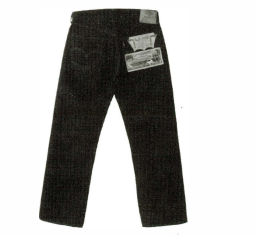
On the other hand, popular culture continues to evolve as products and styles from different cultures mix and combine in new and interesting ways.
از سوی دیگر، فرهنگ عامه همچنان در حال تکامل است زیرا محصولات و سبکها از فرهنگهای مختلف بهصورت نو و جالبی با هم ترکیب و ادغام میشوند.
For example, although superstars from the United States and the United Kingdom dominate the worldwide music industry, a movement is taking place to include more diverse styles and performers.
برای مثال، هرچند سوپراستارهای ایالات متحده و بریتانیا بر صنعت موسیقی جهانی تسلط دارند، اما حرکتی در حال شکلگیری است تا سبکها و اجراکنندگان متنوعتری را شامل شود.
In Europe, local music acts are grabbing a larger share of the market and overtaking the popularity of international (that is, English-speaking) acts.
در اروپا، اجراهای موسیقی محلی سهم بیشتری از بازار را بهدست میآورند و محبوبیت اجراکنندگان بینالمللی (یعنی اجراکنندگان انگلیسیزبان) را پشت سر میگذارند.
Revenue from Spanish-language music has quadrupled in five years.
درآمد حاصل از موسیقی اسپانیایی در پنج سال چهار برابر شده است.
In Asia, new songs are being written to accompany promotions for American movies.
در آسیا، آهنگهای جدیدی برای همراهی با تبلیغات فیلمهای آمریکایی نوشته میشوند.
For example, in Hong Kong the movie Lethal Weapon 4 was promoted with a song by a local heavy metal band called "Beyond."
برای مثال، در هنگ کنگ، فیلم "سلاح کشنده 4" با آهنگی از یک گروه هوی متال محلی به نام "Beyond" تبلیغ شد.
Shots from the movie were mixed with clips of band members, even though the band does not appear in the film and the song is not included on the soundtrack.
تصاویر فیلم با کلیپهایی از اعضای گروه ترکیب شد، حتی با اینکه گروه در فیلم حضور ندارد و آهنگ در ساندترک گنجانده نشده است.
Marketing activities have a major impact on our lives.
فعالیتهای بازاریابی تأثیر عمدهای بر زندگی ما دارند.
They influence our personal and group identities and are used to promote both social ideas and commercial products.
آنها هویتهای فردی و گروهی ما را تحت تأثیر قرار میدهند و برای ترویج ایدههای اجتماعی و محصولات تجاری استفاده میشوند.
Therefore, a greater awareness of consumer behavior is important to our understanding of both social issues and the dynamics of popular culture.
بنابراین، آگاهی بیشتر از رفتار مصرفکننده برای درک مسائل اجتماعی و پویاییهای فرهنگ عامه اهمیت دارد.