

کتاب Focus on vocabulary جلد 2
chapter 21
لغات هدف
| English | Persian |
|---|---|
| author | نویسنده |
| constitute | تشکیل دادن، ایجاد کردن |
| induce | القا کردن، تحریک کردن |
| radical | رادیکال، بنیادی |
| cease | متوقف کردن |
| exceed | فراتر رفتن، تجاوز کردن |
| interpret | تفسیر کردن، توضیح دادن |
| revolution | انقلاب |
| civil | مدنی، غیرنظامی |
| format | قالب، فرمت |
| interval | فاصله زمانی، فاصله |
| subsequent | بعدی، متعاقب |
| classical | کلاسیک، سنتی |
| grant | اعطا کردن، بخشیدن |
| objective | هدف، مقصد |
| theme | تم، موضوع |
| commentary | تفسیر، شرح |
| ideological | ایدئولوژیک، نظری |
| principal | اصلی، عمده |
| vehicle | وسیله نقلیه |
| compute | محاسبه کردن |
| implicit | ضمنی، نهان |
| proceed | ادامه دادن |
| violation | نقض، تخلف |
Opposing War Through Music: Classical and Modern Examples
مقابله با جنگ از طریق موسیقی: مثالهای کلاسیک و مدرن
Music has power both as a driving force in time of war and as an expression of humankind's desire for lasting peace.
موسیقی قدرت دارد هم به عنوان نیرویی محرک در زمان جنگ و هم به عنوان بیانی از آرزوی بشریت برای صلح پایدار.
In fact, the power of music as a social commentary is perhaps the strongest in music that is inspired by war, often inducing powerful reactions in the listener.
در واقع، قدرت موسیقی به عنوان یک نظر اجتماعی شاید در موسیقیای که از جنگ الهام گرفته شده است، قویترین باشد و اغلب واکنشهای شدیدی را در شنونده برمیانگیزد.
Music addressing specific causes, such as support for a war effort or protest against a war, may be a personal expression of the composer, but it also can reflect the feelings of a large segment of the population.
موسیقی که به علل خاصی میپردازد، مانند حمایت از تلاشهای جنگی یا اعتراض به جنگ، ممکن است یک بیان شخصی از آهنگساز باشد، اما همچنین میتواند احساسات بخش بزرگی از جمعیت را منعکس کند.
For centuries, music has been used for the objectives of inciting soldiers to war, praising its heroes, relieving the boredom of military life, and providing a vehicle for expressing the homesickness and loneliness typically connected to a soldier's life.
موسیقی برای قرنها به منظور تحریک سربازان به جنگ، ستایش از قهرمانان آن، رفع خستگی و کسلکننده بودن زندگی نظامی، و ارائه وسیلهای برای بیان دلتنگی و تنهایی که معمولاً با زندگی یک سرباز همراه است، استفاده شده است.
However, a considerable amount of music has been composed that, instead of supporting the energies of war, focuses on hopes for peace.
با این حال، حجم زیادی موسیقی نیز ساخته شده است که به جای حمایت از انرژیهای جنگ، بر آرزوهای صلح تمرکز دارد.
Most people will be aware of the antiwar themes in the popular music of the 1960s and 1970s, but may be surprised that such themes have also occurred in classical music and are still alive today.
بیشتر مردم از تمهای ضد جنگ در موسیقی محبوب دهههای ۱۹۶۰ و ۱۹۷۰ آگاه هستند، اما ممکن است تعجب کنند که چنین تمهایی همچنین در موسیقی کلاسیک وجود داشته و هنوز هم امروز زنده هستند.
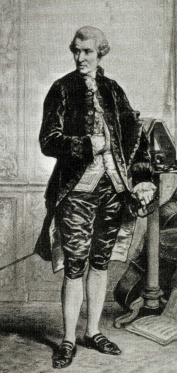
FRANZ JOSEPH HAYDN: MASS IN TIME OF WAR
فرانتس یوزف هایدن: مس در زمان جنگ
Europe was in the midst of conflict when the Viennese composer Franz Joseph Haydn wrote his Mass in Time of War.
اروپا در میانه درگیریها بود زمانی که آهنگساز وین، فرانتس یوزف هایدن، مس خود را در زمان جنگ نوشت.
France, the center of a popular revolution in the 1790s, had witnessed massacres (a two-day outbreak of violence in Paris in 1792 produced casualties exceeding 1,200), and the guillotine became the symbol of justice.
فرانسه، مرکز یک انقلاب مردمی در دهه ۱۷۹۰، شاهد کشتارها بود (یک دوره دو روزه خشونت در پاریس در سال ۱۷۹۲ منجر به کشته شدن بیش از ۱۲۰۰ نفر شد)، و گیوتین به نماد عدالت تبدیل شد.
It claimed Louis XVI in January 1793, and his wife, Queen Marie Antoinette, suffered the same fate in October.
این گیوتین در ژانویه ۱۷۹۳ لوئی شانزدهم را به خود گرفت و همسر او، ملکه ماری آنتوانت، همان سرنوشت را در ماه اکتبر تجربه کرد.
Even Robespierre, a leading revolutionary who had demanded that the king be put to death, was himself guillotined in 1794.
حتی روبسپیر، یک انقلابی برجسته که خواستار اعدام پادشاه شده بود، خود در سال ۱۷۹۴ با گیوتین اعدام شد.
In 1796, France was at war with Austria, and Napoleon, proceeding toward becoming emperor, was scoring a series of victories.
در سال ۱۷۹۶، فرانسه در جنگ با اتریش بود و ناپلئون، در حال پیشرفت به سوی امپراتوری، موفق به کسب پیروزیهای متوالی شد.
The citizens of Vienna were mobilized for war and it was a violation of local law to talk of peace until the French were defeated.
شهروندان وین برای جنگ بسیج شده بودند و صحبت کردن درباره صلح تا زمان شکست فرانسویها نقض قانون محلی محسوب میشد.
Haydn—a man in his sixties and by now the most prestigious musical presence in Vienna—wrote his first composition to reference war, Mass in Time of War (Missa in tempore belli).
هایدن—مردی در شصت سالگی و تا آن زمان معتبرترین شخصیت موسیقی در وین—اولین قطعه خود که به جنگ اشاره داشت، مس در زمان جنگ (Missa in tempore belli) را نوشت.
Haydn's Mass in Time of War, at first glance, is a typical treatment of the five main elements that constitute, or make up, the principal ceremony of the Catholic Church.
مس هایدن در زمان جنگ، در نگاه اول، یک برخورد معمولی با پنج عنصر اصلی است که مراسم اصلی کلیسای کاتولیک را تشکیل میدهند یا آن را میسازند.
Although the first part of the composition opens with a steady thumping of drums—which perhaps could be interpreted as the sound of marching or of cannons—the direct references to war do not occur until the final movement.
اگرچه بخش اول اثر با ضربات منظم طبلها آغاز میشود—که شاید بتوان آن را به صدای حرکت یا توپها تعبیر کرد—اشارات مستقیم به جنگ تا حرکت پایانی ظاهر نمیشود.
Here, the prominent use of the timpani, or kettledrums, has been identified with cannon fire and the trumpet fanfares have been associated with the military.
در اینجا، استفاده برجسته از تیمپانی یا طبلهای کوزهای با شلیک توپ شناخته شده و آوای شیپورها با نیروهای نظامی ارتباط دارد.
The final movement is one of fury, with trumpet calls, rapid scales, and throbbing drums.
حرکت نهایی یکی از خشم است، با نواهای شیپور، مقیاسهای سریع و طبلهای لرزان.
It is an emotional cry for peace.
این یک فریاد احساسی برای صلح است.
The movement (and the composition) ends with four statements of the word pacem, the Latin word for peace.
این حرکت (و کل اثر) با چهار بار بیان کلمه "pacem"، کلمه لاتین برای صلح، به پایان میرسد.
The commentary on war that Haydn makes in this composition is subtle to the modern ear; his use of drums to signify the cannons of war probably had a stronger impact on the ears of his contemporaries than it does on our ears, which are accustomed to the loud noises of amplified sound.
تفسیر جنگی که هایدن در این اثر ارائه میدهد برای گوش مدرن به طور ظریفی است؛ استفاده او از طبلها برای نشان دادن توپهای جنگ احتمالاً تأثیر بیشتری بر گوش همدورهایهایش داشته تا بر گوشهای ما، که به صداهای بلند صداهای تقویت شده عادت کردهایم.
Haydn's cry for peace was not to be answered in his lifetime. He died on May 31, 1809, when Vienna was occupied by enemy troops.
فریاد هایدن برای صلح در دوران زندگیاش پاسخی نیافت. او در ۳۱ مه ۱۸۰۹ درگذشت، زمانی که وین توسط نیروهای دشمن اشغال شده بود.
RALPH VAUGHAN WILLIAMS: GRANT US PEACE
رالْف وان ویلیامز: به ما صلح بده
Some 100 years after Haydn had died, a composer emerged in England who, like Haydn, had strong connections to his country and to concerns for citizenship.
حدود ۱۰۰ سال پس از مرگ هایدن، آهنگسازی در انگلستان ظهور کرد که مانند هایدن ارتباطات قوی با کشورش و نگرانیهایی در مورد شهروندی داشت.
Unlike Haydn, Vaughan Williams had firsthand experience with war.
برخلاف هایدن، وان ویلیامز تجربه مستقیم از جنگ داشت.
In 1914, at age 42, he joined the medical corps in the British army and ended his service in France as an artillery officer.
در سال ۱۹۱۴، در سن ۴۲ سالگی، او به کادر پزشکی ارتش بریتانیا پیوست و خدمت خود را در فرانسه به عنوان افسر توپخانه به پایان رساند.
His subsequent Dona nobis pacem (Grant Us Peace) expresses emotions born out of the composer's experience.
اثر بعدی او، "دونا نوبیس پاکم" (به ما صلح بده)، احساسی را که از تجربه آهنگساز برخاسته است، بیان میکند.
Vaughan Williams's favorite texts for his vocal and choral works were those by authors writing in the English language.
متنهای مورد علاقه وان ویلیامز برای آثار صوتی و کرال خود، نوشتههای نویسندگانی بودند که به زبان انگلیسی مینوشتند.
His Dona nobis pacem, a forty-minute cantata, draws heavily upon English texts.
کنتاتای "دونا نوبیس پاکم" او، که چهل دقیقه طول میکشد، به شدت بر متون انگلیسی تکیه دارد.
Although its title is taken from a well-known prayer (Grant Us Peace), three of the six movements of this work are based on poems by the nineteenth-century American poet Walt Whitman.
اگرچه عنوان آن از یک دعای معروف (به ما صلح بده) گرفته شده است، سه مورد از شش حرکت این اثر بر اساس اشعار شاعر آمریکایی قرن نوزدهم، والت ویتمن، ساخته شدهاند.
Whitman's text comes from a series of poems, Drum Taps, which the poet wrote in reaction to the American Civil War, a war between the Northern and Southern states.
متن ویتمن از مجموعهای از اشعار به نام "درام تپها" آمده است که شاعر در واکنش به جنگ داخلی آمریکا، جنگی بین ایالات شمالی و جنوبی، نوشت.
No doubt Whitman had strong personal reasons for writing these verses, for his brother was wounded in the war and Whitman himself worked as a nurse in a hospital for soldiers in Washington during the Civil War years (1861-1865).
شکی نیست که ویتمن دلایل شخصی قویای برای نوشتن این اشعار داشت، زیرا برادرش در جنگ زخمی شد و خود ویتمن در سالهای جنگ داخلی (۱۸۶۱-۱۸۶۵) به عنوان پرستار در یک بیمارستان برای سربازان در واشنگتن کار میکرد.
Whitman's words provide fertile images and sounds for elaboration by a composer-an ideal text for musical composition.
کلمات ویتمن تصاویری و صداهای باروری برای گسترش توسط یک آهنگساز فراهم میآورد—متنی ایدهآل برای ترکیب موسیقی.
Beat! beat! drums!-blow! bugles! blow!
بزن! بزن! طبلها! – بزن! شیپورها! بزن!
Through the windows-through the doors- burst like a ruthless force, ...
از پنجرهها – از درها – مانند نیرویی بیرحم فوران کن، ...
Let not the child's voice be heard, nor the mother's entreaties,
اجازه نده صدای کودک شنیده شود، یا خواهشهای مادر،
Make even the trestles to shake the dead where they lie awaiting the hearses,
حتی داربستها را طوری به لرزه درآور که مردگان را که در انتظار تابوتها دراز کشیدهاند، تکان دهد،
So strong you thump O terrible drums so loud you bugles blow.
چقدر قوی میزنی ای طبلهای وحشتناک، چقدر بلند میزنند شیپورهایت.
Vaughan Williams turned to other text sources for the last two movements.
وان ویلیامز برای دو حرکت آخر به منابع متنی دیگری مراجعه کرد.
The fifth part of the cantata opens with a baritone solo singing words that originally were spoken by John Bright before the House of Commons during a debate on the Crimean War in 1855.
بخش پنجم کنتاتا با یک سولو باریتون آغاز میشود که کلماتی را میخواند که در اصل توسط جان برایت قبل از مجلس عوام در جریان یک بحث درباره جنگ کریمه در سال ۱۸۵۵ گفته شده بود.
Bright's comments refer to the Old Testament account of Passover ("The Angel of Death has been abroad throughout the land; you may almost hear the beating of his wings...").
اظهارات برایت به روایت عهد عتیق از عید پسح اشاره دارد ("فرشته مرگ در سراسر سرزمین پراکنده شده است؛ شما تقریباً صدای بالهای او را میشنوید...").
The composer then cleverly turns to several other texts to further the mood set by the opening solo.
سپس آهنگساز به طرز هوشمندانهای به چند متن دیگر مراجعه میکند تا حال و هوای ایجاد شده توسط سولو اولیه را ادامه دهد.
These texts all have strong, explicitly stated antiwar themes.
این متون همگی تمهای ضد جنگ قوی و صریحی دارند.
Thus, compared to Haydn's implicit references to war and peace in Mass in Time of War, Williams's Dona nobis pacem takes a more obvious position against war.
بنابراین، در مقایسه با ارجاعات ضمنی هایدن به جنگ و صلح در "مس در زمان جنگ"، "دونا نوبیس پاکم" ویلیامز موضعی واضحتر علیه جنگ میگیرد.
ANTIWAR MUSIC: FROM THE 1960s TO PRESENT TIMES
موسیقی ضد جنگ: از دهه ۱۹۶۰ تا زمان حال
Although classical music contained antiwar elements, one of the most influential periods of antiwar music occurred in the latter half of the twentieth century in the United States.
اگرچه موسیقی کلاسیک حاوی عناصری ضد جنگ بود، یکی از تأثیرگذارترین دورههای موسیقی ضد جنگ در نیمه دوم قرن بیستم در ایالات متحده رخ داد.
During the 1960s, protest songs played a major role in expressing and shaping public opinion about the presence of the U.S. armed forces in Southeast Asia, specifically, in Vietnam.
در دهه ۱۹۶۰، آهنگهای اعتراضی نقش عمدهای در بیان و شکلدهی به افکار عمومی در مورد حضور نیروهای مسلح ایالات متحده در جنوب شرق آسیا، بهویژه در ویتنام، ایفا کردند.
Singer-songwriters such as Bob Dylan and Joan Baez composed and sang songs against nuclear weapons and the violence of war, including "Talking World War III Blues" and "Where Are You Now, My Son?"
خوانندگان-آهنگسازانی مانند باب دیلن و جوان بایز آهنگهایی علیه سلاحهای هستهای و خشونت جنگ سرودند و خواندند، از جمله "Talking World War III Blues" و "Where Are You Now, My Son؟"
These protest songs expressed a pro-peace ideological perspective.
این آهنگهای اعتراضی دیدگاهی ایدئولوژیک طرفدار صلح را بیان میکردند.
They gained an audience and became hits on popular music charts in the United States.
این آهنگها مخاطب پیدا کردند و در چارتهای موسیقی محبوب ایالات متحده به موفقیت رسیدند.
Although the music of Bob Dylan, Joan Baez, and others may not have directly stopped the Vietnam War, it supported a political antiwar movement that led politicians to finally cease waging war in the early 1970s.
اگرچه موسیقی باب دیلن، جوان بایز و دیگران بهطور مستقیم جنگ ویتنام را متوقف نکرد، اما از یک حرکت سیاسی ضد جنگ حمایت کرد که باعث شد سیاستمداران سرانجام در اوایل دهه ۱۹۷۰ جنگ را متوقف کنند.
When the Vietnam War ended in 1973, radical protest songs generally faded from the popular music scene.
زمانی که جنگ ویتنام در سال ۱۹۷۳ به پایان رسید، آهنگهای اعتراضی رادیکال معمولاً از صحنه موسیقی محبوب محو شدند.
After an interval of thirty years, the war in Iraq generated a new wave of protest music.
پس از یک فاصله سی ساله، جنگ عراق موج جدیدی از موسیقی اعتراضی را به وجود آورد.
A number of artists including Stephen Smith and The Compassionate Conservatives distributed protest songs such as "The Bell" and "In the Garden of Eden" for free over their websites.
تعدادی از هنرمندان از جمله استیفن اسمیت و "کنسرواتیوهای دلسوز" آهنگهای اعتراضی مانند "زنگ" و "در باغ عدن" را به صورت رایگان از طریق وبسایتهای خود توزیع کردند.
They used a downloadable MP3 format, which allowed them to gain almost immediate access to the public rather than waiting for official release through their record labels.
آنها از فرمت MP3 قابل دانلود استفاده کردند که به آنها این امکان را میداد که به طور تقریبی بلافاصله به مخاطبان دسترسی پیدا کنند، نه اینکه منتظر انتشار رسمی از طریق شرکتهای ضبط موسیقی خود باشند.
The Internet also provided an increasingly interconnected forum for antiwar protest; music sites were linked to the homepages of antiwar sites like the Veterans Against the Iraq War.
اینترنت همچنین یک تالار ارتباطی فزاینده برای اعتراض ضد جنگ فراهم کرد؛ سایتهای موسیقی به صفحات اصلی سایتهای ضد جنگ مانند "کهنهسربازان علیه جنگ عراق" پیوند داده شدند.
This suggests that, in the age of computers and instant global communication, antiwar music may become increasingly influential in shaping public opinion about future conflicts.
این نشان میدهد که در عصر کامپیوترها و ارتباطات جهانی آنی، موسیقی ضد جنگ ممکن است به طور فزایندهای در شکلدهی به افکار عمومی در مورد درگیریهای آینده تأثیرگذار شود.