
کتاب Focus on vocabulary جلد 2
chapter 6
لغات هدف
| English | Persian |
|---|---|
| acquire | به دست آوردن |
| device | دستگاه |
| insight | بینش، درک |
| occupational | شغلی، مربوط به حرفه |
| adjustment | تنظیم، تطبیق |
| dispose | دور انداختن، خلاص شدن |
| involve | درگیر کردن |
| ongoing | در حال انجام، مداوم |
| appropriate | مناسب، شایسته |
| factor | عامل، فاکتور |
| mode | روش، حالت |
| reinforce | تقویت کردن، استحکام بخشیدن |
| assume | فرض کردن |
| foundation | بنیاد، اساس |
| modify | تغییر دادن، اصلاح کردن |
| selection | انتخاب |
| category | دستهبندی |
| illustration | تصویر، نمونه، توضیح |
| norm | هنجار، استاندارد |
| sole | تنها، منحصر به فرد |
| constantly | به طور مداوم |
| initiate | آغاز کردن، شروع کردن |
| obtain | به دست آوردن، گرفتن |
| transfer | انتقال دادن |
Consumer Socialization of Family Members
اجتماعی شدن اعضای خانواده
The socialization of family members, ranging from young children to adults, is a central family function.
اجتماعی شدن اعضای خانواده، از کودکان کوچک تا بزرگسالان، یک عملکرد مرکزی خانواده است.
Today that function includes developing children into consumers.
امروزه این عملکرد شامل تبدیل کودکان به مصرفکنندگان است.
This is why marketers frequently target parents who are looking for assistance in the process of socializing their children.
به همین دلیل است که بازاریابها اغلب والدینی را هدف قرار میدهند که به دنبال کمک در فرآیند اجتماعی کردن کودکانشان هستند.
Marketers know that the socialization of young children provides an opportunity to establish a foundation on which later experiences continue to build throughout life.
بازاریابها میدانند که اجتماعی شدن کودکان خردسال فرصتی برای ایجاد یک پایه است که تجربیات بعدی در طول زندگی بر آن ساخته میشود.
These experiences are reinforced and modified as children grow into adolescence and, in time, into adulthood.
این تجربیات تقویت و تغییر مییابند همانطور که کودکان به نوجوانی و در نهایت به بزرگسالی میرسند.
In the case of young children, parents typically are responsible for teaching and reinforcing the basic values and modes of behavior of the culture.
در مورد کودکان خردسال، والدین معمولاً مسئول آموزش و تقویت ارزشها و الگوهای رفتاری پایهای فرهنگ هستند.
Parents usually teach their children about moral and religious principles, interpersonal skills, dress and grooming standards, appropriate manners and speech, and the selection of suitable educational and occupational goals.
والدین معمولاً به کودکان خود اصول اخلاقی و دینی، مهارتهای بین فردی، استانداردهای لباس و آراستگی، آداب و سخن گفتن مناسب و انتخاب اهداف آموزشی و شغلی مناسب را آموزش میدهند.
Such parental responsibilities, in turn, affect parents' consumer behavior.
این مسئولیتهای والدینی به نوبه خود بر رفتار مصرفی والدین تأثیر میگذارد.
Take, as an illustration, the many parents today who are increasingly anxious to see that their young children possess adequate computer skills, almost before the children are able to talk or walk.
برای نمونه، بسیاری از والدین امروزی که روز به روز نگرانتر میشوند تا مطمئن شوند که کودکان خردسالشان مهارتهای کافی در زمینه کامپیوتر دارند، تقریباً قبل از اینکه کودکان قادر به صحبت کردن یا راه رفتن شوند.
Because of this interest, hardware and software developers are rapidly creating products targeted at parents seeking to buy such items for their very young children.
به دلیل این علاقه، توسعهدهندگان سختافزار و نرمافزار به سرعت محصولاتی را طراحی میکنند که به والدینی که به دنبال خرید چنین اقلامی برای کودکان بسیار خردسالشان هستند، هدفگذاری شده است.
CONSUMER SOCIALIZATION OF CHILDREN
اجتماعی شدن مصرفکنندگان در کودکان
Sociologists define consumer socialization as "the process by which children acquire the skills, knowledge, and attitudes necessary to function as consumers."
جامعهشناسان اجتماعی شدن مصرفکنندگان را بهعنوان "فرایندی که در آن کودکان مهارتها، دانشها و نگرشهای لازم برای عملکرد بهعنوان مصرفکننده را به دست میآورند" تعریف میکنند.
A variety of studies have focused on how children develop consumer skills.
مطالعات متنوعی بر روی چگونگی توسعه مهارتهای مصرفکننده در کودکان تمرکز کردهاند.
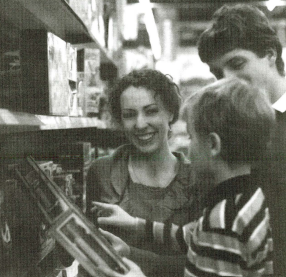
Many pre-adolescent children acquire their consumer behavior norms by observing their parents and older siblings, who function as role models for basic consumption learning.
بسیاری از کودکان پیش از نوجوانی، با مشاهده والدین و خواهر و برادرهای بزرگتر خود که بهعنوان الگوهای رفتاری برای یادگیری مصرف پایه عمل میکنند، هنجارهای رفتار مصرفی خود را به دست میآورند.
In contrast, teenagers are likely to look to their friends for models of acceptable consumption behavior.
در مقابل، نوجوانان معمولاً به دوستان خود نگاه میکنند تا الگوهایی از رفتار مصرفی قابل قبول پیدا کنند.
Consumer socialization also serves as a tool by which parents influence other aspects of the socialization process.
اجتماعی شدن مصرفکنندگان همچنین بهعنوان ابزاری عمل میکند که والدین از آن برای تأثیرگذاری بر جنبههای دیگر فرآیند اجتماعی شدن استفاده میکنند.
For example, parents frequently use the promise or reward of material goods as a device to modify or control a child's behavior.
برای مثال، والدین اغلب از وعده یا پاداش کالاهای مادی بهعنوان ابزاری برای تغییر یا کنترل رفتار کودک استفاده میکنند.
A mother may reward her child with a gift when the child does something to please her, or she may remove it when the child disobeys.
یک مادر ممکن است وقتی که کودک کاری انجام میدهد که او را خوشحال کند، با یک هدیه به او پاداش دهد، یا ممکن است آن را زمانی که کودک نافرمانی میکند، از او بگیرد.
ADULT CONSUMER SOCIALIZATION
اجتماعی شدن مصرفکنندگان در بزرگسالان
Consumer socialization is not limited to childhood; it is an ongoing process that extends throughout a person's entire life.
اجتماعی شدن مصرفکنندگان محدود به دوران کودکی نیست؛ بلکه فرایندی پیوسته است که در طول تمام عمر یک فرد ادامه دارد.
For example, when a newly married couple establishes a separate household, their adjustment to living and consuming together is part of this continuing process.
برای مثال، زمانی که یک زوج تازه ازدواج کرده خانهای جداگانه تشکیل میدهند، تطبیق آنها با زندگی و مصرف مشترک بخشی از این فرایند مستمر است.
Similarly, the adjustments a retired couple make when deciding to move to a warmer climate are also part of the ongoing process.
به طور مشابه، تطبیقهایی که یک زوج بازنشسته هنگام تصمیم به نقل مکان به یک اقلیم گرمتر انجام میدهند، نیز بخشی از این فرایند مستمر است.
Even a family that is welcoming a pet into its home will inevitably change its consumer habits to some degree as a result of this addition.
حتی یک خانواده که یک حیوان خانگی را به خانه خود میآورد، به طور اجتنابناپذیری به دلیل این افزودن، عادات مصرفی خود را تا حدی تغییر خواهد داد.
INTERGENERATIONAL SOCIALIZATION
اجتماعی شدن بین نسلی
It is quite common for selected product loyalty or brand preferences to be transferred from one generation to the next, maybe for even three or four generations within the same family.
بسیار معمول است که وفاداری به محصولات یا ترجیحات برند از یک نسل به نسل بعدی منتقل شود، شاید حتی برای سه یا چهار نسل در یک خانواده.
This passing on of preferences is known as "intergenerational brand transfer."
این انتقال ترجیحات بهعنوان "انتقال برند بین نسلی" شناخته میشود.
For example, preferences for specific brands in certain categories of food, such as peanut butter, ketchup, coffee, and canned soup, are frequently passed on from one generation to another.
برای مثال، ترجیحات برای برندهای خاص در برخی دستههای غذایی مانند کره بادامزمینی، کچاپ، قهوه و سوپهای کنسروی اغلب از یک نسل به نسل دیگر منتقل میشود.
The following quotes from research with college-aged consumers reveal how they feel about product usage from generation to generation:
نقلقولهای زیر از تحقیقات با مصرفکنندگان در سنین دانشگاه نشان میدهد که آنها چگونه در مورد استفاده از محصولات از نسل به نسل احساس میکنند:
My mother still buys almost every brand that her mother did. She is scared to try anything else, for it will not meet the standards, and [she] would feel bad not buying something that has been with her so long.
مادرم هنوز تقریباً هر برندی را که مادرش میخرید، میخرد. او از امتحان کردن هیچ چیز دیگری میترسد، زیرا به استانداردها نخواهد رسید و [او] احساس بدی خواهد داشت که چیزی را نخرد که این مدت طولانی با او بوده است.
(The respondent is an Italian-American male in his early twenties.)
(پاسخدهنده مردی ایتالیایی-آمریکایی در اوایل بیست سالگی است.)
I find it hard to break away from the things I've been using since I was little; like Vaseline products, Ivory soap, Lipton tea, and cornflakes. I live on campus so I have to do my own shopping, and when I do I see a lot of my mother in myself. I buy things I'm accustomed to using... products my mother buys for the house.
برای من سخت است که از چیزهایی که از کودکی استفاده کردهام جدا شوم؛ مثل محصولات وازلین، صابون آیوری، چای لیپتون و کورنفلکس. من در خوابگاه زندگی میکنم، بنابراین باید خریدهای خودم را انجام دهم، و وقتی این کار را میکنم، خیلی از مادرم را در خودم میبینم. چیزهایی میخرم که به استفاده از آنها عادت کردهام... محصولاتی که مادرم برای خانه میخرد.
(The respondent is a West Indian-American female.)
(پاسخدهنده زن آمریکایی-غربهندی است.)
It is important to note, however, that socialization is in reality a two-way street, in which children of all ages also influence the opinions and behavior of their parents.
با این حال، مهم است که توجه داشته باشیم که اجتماعی شدن در واقع یک خیابان دوطرفه است، جایی که کودکان در تمام سنین نیز بر نظرات و رفتار والدین خود تأثیر میگذارند.

FAMILY DECISION MAKING AND KEY CONSUMPTION-RELATED ROLES
تصمیمگیری خانواده و نقشهای کلیدی مرتبط با مصرف
Although many marketers recognize the family as the basic decision-making unit, they most frequently examine the attitudes and behaviors of the one family member who is believed to be the major decision maker.
اگرچه بسیاری از بازاریابها خانواده را بهعنوان واحد اصلی تصمیمگیری میشناسند، اما بیشتر اوقات نگرشها و رفتارهای یکی از اعضای خانواده که بهعنوان تصمیمگیرنده اصلی شناخته میشود را بررسی میکنند.
In some cases, marketers also examine the attitudes and behavior of the person most likely to be the primary user of the product or service.
در برخی موارد، بازاریابها همچنین نگرشها و رفتارهای فردی را که احتمالاً مصرفکننده اصلی محصول یا خدمات است، بررسی میکنند.
For example, in the case of children's clothing, which is normally purchased by mothers for their sons and daughters, it is customary to seek the views of both the children who wear the clothes and the mothers who buy them.
برای مثال، در مورد لباسهای کودکان که معمولاً توسط مادران برای پسران و دخترانشان خریداری میشود، معمول است که نظر هر دو گروه، یعنی کودکان که لباسها را میپوشند و مادرانی که آنها را میخرند، جویا شوند.
By considering both the likely user and the likely purchaser, the marketer obtains a richer picture of the consumption process and key consumption-related roles.
با در نظر گرفتن هم مصرفکننده محتمل و هم خریدار محتمل، بازاریاب تصویری غنیتر از فرایند مصرف و نقشهای کلیدی مرتبط با مصرف به دست میآورد.
In a dynamic society, family-related duties are constantly changing.
در یک جامعه پویا، وظایف مرتبط با خانواده به طور مداوم در حال تغییر است.
For example, men have assumed many more household tasks in recent years.
برای مثال، مردان در سالهای اخیر وظایف خانگی بیشتری را بر عهده گرفتهاند.
Despite such changes, we can identify eight distinct roles in the family decision-making process.
با وجود چنین تغییراتی، ما میتوانیم هشت نقش متمایز در فرایند تصمیمگیری خانواده شناسایی کنیم.
A look at these roles provides further insight into how family members interact in their various consumption-related roles.
نگاهی به این نقشها بینش بیشتری در مورد نحوه تعامل اعضای خانواده در نقشهای مختلف مرتبط با مصرف آنها فراهم میکند
Role Description
توضیح نقشها
Influencers
تاثیرگذاران
Family members who provide information to other members about a product or service.
اعضای خانواده که اطلاعاتی درباره یک محصول یا خدمت به دیگر اعضا میدهند.
Gatekeepers
دروازهبانها
Family members who control the flow of information about a product or service into the family.
اعضای خانواده که جریان اطلاعات درباره یک محصول یا خدمت را به داخل خانواده کنترل میکنند.
Deciders
تصمیمگیرندگان
Family members with the power to determine independently or jointly whether to shop for, purchase, use, consume, or dispose of a specific product or service.
اعضای خانواده که قدرت تصمیمگیری بهصورت مستقل یا مشترک درباره خرید، خریداری، استفاده، مصرف یا دور انداختن یک محصول یا خدمت خاص را دارند.
Buyers
خریداران
Family members who make the actual purchase of a particular product or service.
اعضای خانواده که خرید واقعی یک محصول یا خدمت خاص را انجام میدهند.
Preparers
آمادهسازها
Family members who transform the product into a suitable form for consumption by other family members (e.g., those who fix meals).
اعضای خانواده که محصول را به شکلی مناسب برای مصرف دیگر اعضای خانواده تبدیل میکنند (مثلاً کسانی که غذا آماده میکنند).
Users
مصرفکنندگان
Family members who use or consume a particular product or service.
اعضای خانواده که از یک محصول یا خدمت خاص استفاده میکنند یا آن را مصرف میکنند.
Maintainers
نگهدارندگان
Family members who service or repair the product so that it will continue to provide satisfaction.
اعضای خانواده که محصول را سرویس یا تعمیر میکنند تا همچنان رضایتبخش باقی بماند.
Disposers
دورریزها
Family members who initiate or carry out the disposal or discontinuation of a particular product or service.
اعضای خانواده که شروعکننده یا مجری دفع یا قطع استفاده از یک محصول یا خدمت خاص هستند.
The number and identity of family members who fill these roles vary from family to family and from product to product.
تعداد و هویت اعضای خانواده که این نقشها را پر میکنند از خانوادهای به خانواده دیگر و از محصولی به محصول دیگر متفاوت است.
In some cases, a single family member will independently assume a number of roles; in other cases, a single role will be performed jointly by two or more family members.
در برخی موارد، یک عضو خانواده بهطور مستقل تعدادی از نقشها را بر عهده میگیرد؛ در موارد دیگر، یک نقش بهطور مشترک توسط دو یا چند عضو خانواده انجام میشود.
In still other cases, one or more of these basic roles may not be required.
در موارد دیگر، ممکن است یک یا چند مورد از این نقشهای اساسی ضروری نباشند.
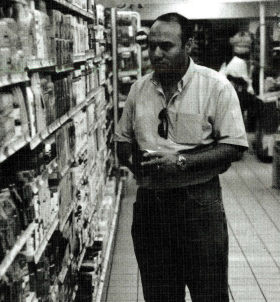
For example, a family member may be walking down the snack food aisle at a local supermarket when he picks out an interesting new chocolate candy.
برای مثال، یک عضو خانواده ممکن است در حال عبور از راهروی تنقلات در یک سوپرمارکت محلی باشد که شکلات جدید جالبی را انتخاب میکند.
His selection does not directly involve the influence of other family members.
انتخاب او مستقیماً تحت تأثیر دیگر اعضای خانواده قرار ندارد.
He is the decider, the buyer, and in a sense the gatekeeper, but he may not be the sole consumer (or user).
او تصمیمگیرنده، خریدار و به نوعی دروازهبان است، اما ممکن است تنها مصرفکننده (یا کاربر) نباشد.
Products may be consumed by individual family members (aftershave, lipstick), consumed or used directly by two or more family members (vegetables, shampoo), or consumed indirectly by the entire family (central air-conditioning or a home security alarm system).
محصولات ممکن است توسط اعضای فردی خانواده مصرف شوند (مثل افترشیو، رژ لب)، یا بهطور مستقیم توسط دو یا چند عضو خانواده مصرف یا استفاده شوند (مثل سبزیجات، شامپو)، یا بهطور غیرمستقیم توسط تمام خانواده مصرف شوند (مثل تهویه مطبوع مرکزی یا سیستم امنیتی منزل).
In the end, a family's decision-making style often is influenced by many diverse factors, such as its lifestyle, members' personalities and roles, and the family's cultural background.
در نهایت، سبک تصمیمگیری خانواده معمولاً تحت تأثیر عوامل متنوع زیادی قرار میگیرد، مانند سبک زندگی آن، شخصیتها و نقشهای اعضای آن، و پیشینه فرهنگی خانواده.