

کتاب Focus on vocabulary جلد 2
chapter 25
لغات هدف
| English | Persian |
|---|---|
| accommodate | تطبیق دادن، جا دادن |
| enforcement | اجرا، اعمال |
| mechanism | سازوکار، مکانیزم |
| resolution | راهحل، قطعنامه |
| appendix | پیوست، ضمیمه |
| financial | مالی |
| pose | ژست گرفتن، مطرح کردن |
| restore | بازگرداندن، بازیابی کردن |
| automatic | خودکار |
| ignorance | نادانی، جهل |
| prime | اصلی، نخستین |
| scheme | طرح، نقشه |
| committed | متعهد، پایبند |
| incentive | انگیزه، مشوق |
| rational | منطقی، معقول |
| scope | دامنه، محدوده |
| compensate | جبران کردن، پرداخت کردن |
| initially | در ابتدا، نخستین |
| recovery | بهبودی، بازیابی |
| suspend | تعلیق کردن، معلق کردن |
| displace | جابجا کردن، جا به جا کردن |
| irrelevant | بیربط، غیرمرتبط |
| registration | ثبتنام، ثبت |
| welfare | رفاه |
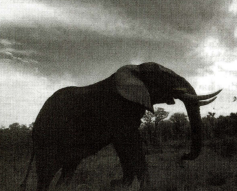
The elephant is perhaps the best-known and most visible symbol of African wildlife.
فیل شاید شناختهشدهترین و آشکارترین نماد حیاتوحش آفریقا باشد.
However, it continues to face two serious threats to its existence—the ivory trade and habitat loss.
با این حال، همچنان با دو تهدید جدی برای بقای خود روبهرو است: تجارت عاج و از بین رفتن زیستگاه.
For the conservationist, trade is a double-edged sword.
برای طرفداران حفظ محیط زیست، تجارت یک شمشیر دو لبه است.
The trade in endangered species of fauna and flora can push, and has pushed, many species to the edge of extinction.
تجارت گونههای در معرض خطر جانوری و گیاهی میتواند بسیاری از گونهها را تا مرز انقراض پیش ببرد—و این اتفاق قبلاً هم افتاده است.
Some have been pushed beyond.
برخی حتی فراتر از آن رفته و منقرض شدهاند.
There is little doubt that the international trade in ivory was largely responsible for the radical decline in elephant populations between 1979 and 1989.
شکی نیست که تجارت بینالمللی عاج تا حد زیادی مسئول کاهش شدید جمعیت فیلها بین سالهای ۱۹۷۹ تا ۱۹۸۹ بوده است.
Demand for ivory in Japan and the West forced up ivory prices; high prices created an incentive to poach (illegally catch or kill animals, birds, or fish); and poaching devastated the population.
تقاضا برای عاج در ژاپن و کشورهای غربی باعث افزایش قیمت آن شد؛ قیمتهای بالا انگیزهای برای شکار غیرقانونی (شکار یا کشتن غیرقانونی حیوانات، پرندگان یا ماهیها) ایجاد کرد؛ و شکار غیرقانونی جمعیت فیلها را نابود کرد.
Poaching is more dangerous than habitat loss in the sense that it can devastate populations with extraordinary speed.
شکار غیرقانونی از بین رفتن زیستگاه خطرناکتر است، زیرا میتواند با سرعتی فوقالعاده جمعیتها را نابود کند.
It was the prime reason for the death of approximately 700,000 animals in a single decade—fully half of the world's African elephants.
این عامل اصلی مرگ حدود ۷۰۰٬۰۰۰ فیل در یک دهه بود—یعنی نیمی از فیلهای آفریقایی جهان.
To combat this, the Convention on International Trade in Endangered Species (CITES) placed the elephant on its list of protected animals (the CITES Appendix 1 endangered list), which created a ban on the ivory trade.
برای مقابله با این موضوع، کنوانسیون تجارت بینالمللی گونههای در معرض خطر (CITES) فیل را در فهرست حیوانات حفاظتشده خود (فهرست گونههای در خطر انقراض ضمیمه ۱) قرار داد، که موجب ممنوعیت تجارت عاج شد.
It is clear that placing elephants on the Appendix 1 list played a vital role in closing down demand for ivory, in reducing the incentive to poach elephants, and in the precarious population recovery that has followed.
واضح است که قرار دادن فیلها در فهرست ضمیمه ۱ نقش حیاتی در کاهش تقاضا برای عاج، کاهش انگیزه برای شکار غیرقانونی فیلها و بهبود شکننده جمعیت آنها داشته است.
If poaching posed the only threat to the African elephant, the case would be open and shut; the ivory ban has worked well, and it should be continued.
اگر شکار غیرقانونی تنها تهدید فیل آفریقایی بود، موضوع کاملاً روشن بود؛ ممنوعیت تجارت عاج به خوبی عمل کرده و باید ادامه یابد.
Poaching is controllable because it is driven by demand for a product that is irrelevant to the necessities of life.
شکار غیرقانونی قابل کنترل است، زیرا ناشی از تقاضا برای محصولی است که ارتباطی با نیازهای ضروری زندگی ندارد.
The ivory trade succeeds only if enforcement agencies are too weak or corrupt to stop it.
تجارت عاج فقط زمانی موفق میشود که نهادهای اجرایی آنقدر ضعیف یا فاسد باشند که نتوانند جلوی آن را بگیرند.
Habitat loss poses more ominous problems for the elephant, and the scope of this problem is great.
از بین رفتن زیستگاه مشکلات تهدیدآمیزتری برای فیل ایجاد میکند و دامنه این مشکل بسیار گسترده است.
Loss of land occurs slowly. The annual population growth of sub-Saharan Africa is approximately 2.1 percent per year.
از دست رفتن زمین بهآرامی رخ میدهد. رشد جمعیت سالانه در منطقه زیرصحرای آفریقا حدود ۲.۱ درصد در سال است.
Loss of elephant habitat is, very roughly, comparable.
از دست رفتن زیستگاه فیل نیز تقریباً با همان سرعت در حال وقوع است.
It attracts almost no media attention. It has no villains.
این موضوع تقریباً هیچ توجهی از سوی رسانهها جلب نمیکند. در این داستان، ضدقهرمانی وجود ندارد.
The problems it presents cannot easily be turned into a bumper-sticker campaign.
مسائلی که ایجاد میکند بهراحتی نمیتوانند به کمپینی تبلیغاتی یا شعارگونه تبدیل شوند.
The Africa of the Western imagination—endless savannahs full of game with virtually no people—will largely be gone before today's young Africans have grown old, most likely never to be restored.
آفریقایی که در ذهن غربیها تصور میشود—دشتهای بیپایانی پر از حیوانات وحشی و تقریباً بدون انسان—تا زمانی که نسل جوان امروز آفریقا پیر شوند، تا حد زیادی از بین خواهد رفت و به احتمال زیاد هرگز بازگردانده نخواهد شد.
To save the land on which the African elephant lives, people must understand that more income can be generated—and more people fed—if the land is kept free of farms or settled communities so that the elephants can roam.
برای نجات سرزمینی که فیل آفریقایی در آن زندگی میکند، مردم باید درک کنند که اگر این زمینها از مزارع یا سکونتگاههای انسانی خالی بمانند تا فیلها آزادانه رفتوآمد کنند، میتوان درآمد بیشتری تولید کرد و افراد بیشتری را تغذیه نمود.
If the elephants are allowed to wander across the land, money can be generated through the tourist trade, limited sport hunting, and a tightly-controlled harvest of ivory.
اگر به فیلها اجازه داده شود که آزادانه در زمین حرکت کنند، میتوان از طریق گردشگری، شکار ورزشی محدود، و برداشت کاملاً کنترلشدهی عاج، درآمدزایی کرد.
Commercial enterprises like these, if properly managed, could generate a financial incentive to protect the elephant and its habitat, as long as the people who must pay the costs of supporting the animal and its range are the same people who benefit from the commercial use of the elephant.
کسبوکارهای تجاری از این نوع، اگر بهدرستی مدیریت شوند، میتوانند انگیزه مالی برای حفاظت از فیل و زیستگاهش ایجاد کنند، به شرط آنکه کسانی که هزینه نگهداری از حیوان و قلمرو آن را میپردازند، همان کسانی باشند که از بهرهبرداری تجاری از فیل سود میبرند.
Various schemes have been proposed for saving the African elephant and its habitat.
طرحهای مختلفی برای نجات فیل آفریقایی و زیستگاه آن پیشنهاد شدهاند.
The simplest solution would be to ban the ivory trade forever, but ask countries and organizations that wish to conserve the elephant to pay some sort of compensation to local communities.
سادهترین راهحل، ممنوعیت همیشگی تجارت عاج است، اما در عوض از کشورها و سازمانهایی که خواهان حفظ فیل هستند خواسته شود تا نوعی غرامت به جوامع محلی پرداخت کنند.
The best system would likely be one in which local landowners, public or private, were paid a price—at least equal to the value of each animal's ivory—for every elephant kept alive in its original habitat.
احتمالاً بهترین سیستم، سیستمی خواهد بود که در آن مالکان محلی زمین، چه دولتی و چه خصوصی، برای هر فیلی که در زیستگاه طبیعیاش زنده نگه داشته میشود، مبلغی معادل یا بیشتر از ارزش عاج آن دریافت کنند.
"Willingness to pay" surveys apparently indicate that the general public in western Europe and North America might be willing to take on that burden.
مطالعاتی درباره «تمایل به پرداخت» ظاهراً نشان میدهد که عموم مردم در اروپای غربی و آمریکای شمالی ممکن است حاضر به پذیرش این بار مالی باشند.
Strangely, however, no mechanism for doing this has yet been suggested.
با این حال، عجیب است که تاکنون هیچ سازوکاری برای اجرای این ایده پیشنهاد نشده است.
Another option for saving the African elephant would be an exclusive marketing scheme for the trading of ivory.
گزینهی دیگر برای نجات فیل آفریقایی میتواند یک طرح بازاریابی انحصاری برای تجارت عاج باشد.
The core of such a system would have to be an agreement between exporting countries that are committed to managing their elephant herds at sustainable levels and importing countries that are both willing and able to enforce import controls; such controls would only allow the importation of ivory from approved exporting countries.
هستهی اصلی چنین سیستمی باید توافقی باشد بین کشورهای صادرکنندهای که متعهد به مدیریت پایدار گلههای فیل خود هستند و کشورهای واردکنندهای که هم تمایل و هم توانایی اجرای کنترلهای وارداتی را دارند؛ چنین کنترلهایی تنها واردات عاج از کشورهای صادرکنندهی تأییدشده را مجاز میدانند.
Ivory could be taken for registration to a single point of export controlled and supervised by CITES.
عاج میتواند برای ثبت به یک نقطهی صادراتی واحد منتقل شود که تحت کنترل و نظارت CITES است.
The CITES center would accept ivory only from places deemed to have met strict conservation criteria.
مرکز CITES تنها عاجهایی را میپذیرد که از مکانهایی با معیارهای حفاظتی سختگیرانه تأمین شده باشند.
Once exported, ivory samples would be randomly tested at regular intervals to determine their place of origin.
پس از صادرات، نمونههایی از عاج در فواصل زمانی منظم بهصورت تصادفی آزمایش میشوند تا محل منشأ آنها تعیین شود.
Ivory from anywhere other than CITES-approved states would be confiscated and the importing nation fined in the first instance and suspended from the scheme in the case of repeated offenses.
عاجی که از جایی غیر از کشورهای تأییدشدهی CITES آمده باشد، توقیف میشود و کشور واردکننده در بار اول جریمه و در صورت تکرار تخلف، از این طرح تعلیق خواهد شد.
This scheme might be small initially but it could be expanded later if it were successful.
این طرح ممکن است در ابتدا کوچک باشد، اما در صورت موفقیت میتواند در آینده گسترش یابد.
Such expansion could be implemented by a resolution within the CITES framework.
چنین گسترشی میتواند از طریق قطعنامهای در چارچوب CITES اجرایی شود.
One problem is that actual enforcement of such plans is by no means automatic.
یکی از مشکلات این است که اجرای واقعی چنین طرحهایی به هیچ وجه بهصورت خودکار انجام نمیشود.
Considerations like the corruption or powerlessness of officials, ignorance, and apathy must be fully addressed in order to successfully implement such a program.
مواردی مانند فساد یا ناتوانی مقامات، ناآگاهی و بیتفاوتی باید بهطور کامل مورد توجه قرار گیرند تا چنین برنامهای با موفقیت اجرا شود.
If schemes like these are not put into place, what is the future of the elephant?
اگر چنین طرحهایی اجرا نشوند، آینده فیل چگونه خواهد بود؟
The Appendix I listing for the elephant will create a welfare environment for elephant conservation in Africa.
قرار گرفتن فیل در فهرست ضمیمه ۱ باعث ایجاد محیطی حمایتی برای حفاظت از فیل در آفریقا خواهد شد.
Those countries that support the ivory ban will, for a time, find themselves richly compensated by various Western groups.
کشورهایی که از ممنوعیت تجارت عاج حمایت کنند، برای مدتی از سوی گروههای مختلف غربی بهخوبی جبران مالی خواهند شد.
Those countries that defy the ivory ban will lose the revenues offered to the more compliant nations;
کشورهایی که ممنوعیت عاج را نادیده بگیرند، درآمدهایی را که به کشورهای پایبند داده میشود از دست خواهند داد؛
they will not be able to offset this loss by a gain in ivory trade, because there will be no market for ivory.
و نمیتوانند این ضرر را با سود حاصل از تجارت عاج جبران کنند، چون بازاری برای عاج وجود نخواهد داشت.
Thus a pattern will emerge as time goes by.
در نتیجه، با گذر زمان یک الگو پدید خواهد آمد.
In East Africa, where countries generally support the ban, the great parks will prosper, as will the elephant populations within their confines.
در شرق آفریقا، جایی که کشورها بهطور کلی از ممنوعیت حمایت میکنند، پارکهای ملی بزرگ رونق خواهند گرفت، و جمعیت فیلها در محدوده این پارکها نیز رشد خواهد کرد.
However, elephants outside the park fences will disappear almost altogether.
اما فیلهایی که خارج از حصارهای پارک هستند، تقریباً به طور کامل ناپدید خواهند شد.
In southern Africa, where the ban is often looked upon with skepticism, the opposite will happen.
در جنوب آفریقا، جایی که ممنوعیت اغلب با تردید نگریسته میشود، اتفاقی برعکس خواهد افتاد.
Poaching, once almost defeated, will grow again—becoming a major problem.
شکار غیرقانونی که زمانی تقریباً از بین رفته بود، دوباره افزایش مییابد و به مشکلی جدی تبدیل خواهد شد.
The parks, once the pride of Africa, will become less effective due to lack of revenue.
پارکهایی که زمانی مایه افتخار آفریقا بودند، به دلیل کمبود درآمد، کارایی کمتری خواهند داشت.
Beyond the parks, however, the decline of the elephant will be slower.
با این حال، خارج از پارکها، روند کاهش جمعیت فیلها کندتر خواهد بود.
So long as private sport hunting is allowed (and profitable), farmers and communities will put an effort into protecting the elephants that live on their land.
تا زمانی که شکار ورزشی خصوصی مجاز (و سودآور) باشد، کشاورزان و جوامع محلی تلاش خواهند کرد تا از فیلهایی که در زمینهایشان زندگی میکنند محافظت کنند.
In the end, however, the charity of Western donors toward elephant preservation will be outbalanced by the massive human population growth in Africa.
با این حال، در نهایت، کمکهای خیرخواهانه اهداکنندگان غربی برای حفظ فیلها در برابر رشد عظیم جمعیت انسانی در آفریقا کماثر خواهد شد.
The parks, even in countries that have accommodated Western interests, will become embattled because of the human need for land.
پارکها، حتی در کشورهایی که منافع غرب را در نظر گرفتهاند، به دلیل نیاز انسانها به زمین با فشار و تهدید مواجه خواهند شد.
Many parks will be lost and their elephants displaced.
بسیاری از پارکها از بین خواهند رفت و فیلهای آنها آواره خواهند شد.
The elephant will not become extinct (it is too visible a symbol of the natural world for that),
فیل منقرض نخواهد شد (چرا که نمادی بسیار برجسته از دنیای طبیعت است).
but by the end of the first quarter of the twenty-first century, the great herds that could still be seen in many parts of Africa in the 1990s will largely be gone.
اما تا پایان ربع اول قرن بیستویکم، گلههای بزرگی که هنوز در دهه ۱۹۹۰ در بسیاری از نقاط آفریقا قابل مشاهده بودند، تا حد زیادی از بین خواهند رفت.
Much of this will have come about largely through a failure to see the effect to which a rational use of international trade and law could have been put.
بخش زیادی از این اتفاق به دلیل ناتوانی در درک تأثیر بالقوه استفاده منطقی از تجارت و قوانین بینالمللی رخ خواهد داد.