

کتاب Focus on vocabulary جلد 2
chapter 10
لغات هدف
| English | Persian |
|---|---|
| access | دسترسی |
| corporate | شرکتی |
| indication | نشان، علامت |
| psychologist | روانشناس |
| authority | اقتدار، صلاحیت |
| crucial | حیاتی، ضروری |
| innovation | نوآوری |
| residential | مسکونی |
| conclusion | نتیجهگیری |
| differentiate | تفاوت قائل شدن، تمایز گذاشتن |
| methods | روشها |
| response | پاسخ |
| confirm | تایید کردن |
| display | نمایش دادن، نمایش |
| obviously | به وضوح، واضح |
| somewhat | تا حدودی |
| contradictory | متناقض، ضد و نقیض |
| equipment | تجهیزات |
| potential | پتانسیل، توانایی |
| survey | نظرسنجی، بررسی |
| presumably | به احتمال زیاد |
| technical | فنی |
The Meaning of the Chair
معنای صندلی
In the modern office, hierarchy is the norm, and chairs play a crucial part in expressing and creating status.
در دفترهای مدرن، سلسلهمراتب یک اصل معمول است و صندلیها نقش مهمی در نمایش و ایجاد جایگاه اجتماعی دارند.
Just consider what would happen if everyone got rid of their chairs and worked standing up.
فقط تصور کنید چه میشد اگر همه صندلیهای خود را کنار میگذاشتند و ایستاده کار میکردند.
This would destroy the corporate image that many large companies try to project because chairs are part of a network of symbols.
این کار تصویر سازمانیای را که بسیاری از شرکتهای بزرگ سعی در نمایش آن دارند نابود میکرد، چرا که صندلیها بخشی از مجموعهای از نمادها هستند.
Much like a hotel chain, corporate culture allows for no variation in carpeting, chairs, lighting fixtures, telephones, or desks for employees working at similar levels.
درست مانند زنجیرهای از هتلها، فرهنگ سازمانی اجازه هیچ تفاوتی در فرش، صندلیها، وسایل نوری، تلفنها یا میزهای کار برای کارکنان در سطوح مشابه را نمیدهد.
Ergonomicists study office equipment and how it affects people's ability to use it and do their work.
ارگونومیستها تجهیزات اداری و تأثیر آنها بر توانایی افراد در استفاده از آنها و انجام کار را مطالعه میکنند.
Researchers in ergonomics have studied many aspects of the workplace, including status, and have concluded that the workstation should be an indication of the worker's status in the office hierarchy.
پژوهشگران ارگونومی جنبههای گوناگونی از محیط کار از جمله جایگاه اجتماعی را بررسی کردهاند و به این نتیجه رسیدهاند که محل کار باید بازتابدهنده جایگاه فرد در سلسلهمراتب سازمانی باشد.
In open-plan offices, with their clearly democratic intentions and appearance, distinguishing between managers and ordinary workers is difficult, causing dissatisfaction on both sides.
در دفاتر با طراحی باز که نیت و ظاهر دموکراتیک دارند، تشخیص مدیران از کارکنان عادی دشوار است و این موضوع نارضایتی دو طرف را در پی دارد.
Managers once assumed that workers would like a more equal-looking environment and might consequently be more productive. But that did not turn out to be the case.
مدیران زمانی تصور میکردند که کارکنان از محیطی برابرتر استقبال میکنند و در نتیجه بهرهوریشان افزایش مییابد؛ اما اینگونه نشد.
Which type of office do you work in? Can anyone visiting for the first time guess who the boss is without being told?
شما در چه نوع دفتری کار میکنید؟ آیا کسی که برای اولین بار وارد میشود میتواند بدون اینکه به او گفته شود، رئیس را تشخیص دهد؟
You can probably tell by looking at differences in cubicle wall height and amount and location of work space, lighting, and color, as well as harder-to-define variables such as privacy, ability to control access to others, and the opportunity for personalization.
احتمالاً میتوان این را از طریق تفاوت در ارتفاع دیوارهای اتاقکها، مقدار و محل فضای کاری، نورپردازی و رنگ، و همچنین متغیرهای دشوارتر مانند میزان حریم خصوصی، توانایی کنترل دسترسی دیگران، و امکان شخصیسازی تشخیص داد.
You might also consider very easily recognizable characteristics—quality of furniture, upholstery, number of chairs, and thickness of carpet.
همچنین میتوانید به ویژگیهای قابلتشخیصتری مانند کیفیت مبلمان، روکشها، تعداد صندلیها و ضخامت فرش توجه کنید.
Researchers report that unusual or unexpected status markers, like brightly colored telephones or wastepaper baskets, have developed because employees do not have the opportunity to display conventional markers of status.
پژوهشگران گزارش دادهاند که نشانههای غیرمعمول یا غیرمنتظرهای از جایگاه، مانند تلفنهای رنگارنگ یا سطل زبالههای خاص، بهوجود آمدهاند زیرا کارکنان فرصت نمایش نشانههای سنتی جایگاه را ندارند.

Appropriate markers contribute to satisfaction, and worker satisfaction is essential to productivity, which is why ergonomicists have come to the conclusion that status differences have to be maintained.
نشانههای مناسب به رضایت کارکنان کمک میکنند، و رضایت کارکنان برای بهرهوری ضروری است؛ به همین دلیل، ارگونومیستها به این نتیجه رسیدهاند که تفاوتهای جایگاه باید حفظ شوند.
However, this conclusion contradicts those who believe in increasing productivity in the workplace by tapping people's creative potential without regard to rank.
با این حال، این نتیجهگیری با دیدگاه کسانی که معتقدند بهرهوری باید با تکیه بر پتانسیل خلاق افراد و بدون توجه به رتبه افزایش یابد، در تضاد است.
Why do workers respond positively to status markers?
چرا کارکنان نسبت به نشانههای جایگاه واکنش مثبتی نشان میدهند؟
Perhaps they feel that as long as differences in pay and authority exist, the environmental messages should be consistent.
شاید آنها احساس میکنند تا زمانی که تفاوتهایی در حقوق و اختیارات وجود دارد، پیامهای محیطی نیز باید با آنها هماهنگ باشد.
People like to know where they stand, and the physical environment helps to communicate this.
مردم دوست دارند بدانند موقعیتشان کجاست، و محیط فیزیکی به انتقال این پیام کمک میکند.
In any case, as status markers in the office, chairs are important.
در هر صورت، بهعنوان نشانههای جایگاه در دفتر کار، صندلیها مهم هستند.
After surveying 529 office workers in three government and three business offices, psychologists came to certain conclusions.
پس از نظرسنجی از ۵۲۹ کارمند اداری در سه اداره دولتی و سه دفتر تجاری، روانشناسان به نتایجی رسیدند.
They confirmed that the number of chairs in a personal office (wooden chairs were preferred to metal) was a crucial indicator of the occupant's supervisory status.
آنها تأیید کردند که تعداد صندلیها در یک دفتر شخصی (که در آن صندلیهای چوبی به فلزی ترجیح داده میشد) شاخص مهمی از موقعیت نظارتی فرد است.
Other indicators were large desks, multiple work surfaces, greater storage capacity, and privacy.
نشانههای دیگر شامل میزهای بزرگ، سطوح کاری متعدد، ظرفیت ذخیرهسازی بیشتر و حریم خصوصی بودند.
Most of the research done to date on office environments stems from an interest in worker productivity.
بیشتر تحقیقات انجامشده درباره محیطهای اداری از علاقه به بهرهوری کارکنان ناشی شده است.
But which is more important to worker satisfaction—being physically comfortable or having status symbols?
اما کدامیک برای رضایت کارکنان مهمتر است—راحتی فیزیکی یا داشتن نمادهای جایگاه؟
In a survey paid for by Steelcase, the world's largest manufacturer of office furniture, 80 percent of those who complained (70 percent of the total) said that discomfort reduced their productivity a great deal or somewhat.
در یک نظرسنجی که توسط شرکت استیلکیس، بزرگترین تولیدکننده مبلمان اداری جهان، پرداخت شد، ۸۰ درصد از کسانی که شکایت داشتند (که ۷۰ درصد کل را شامل میشدند) گفتند که ناراحتی جسمی بهرهوری آنها را تا حد زیادی یا تا حدی کاهش داده است.
They defined "comfort" in rank order as: good lighting, a comfortable chair, a place to concentrate, and quiet.
آنها "راحتی" را به ترتیب اولویت اینگونه تعریف کردند: نور مناسب، صندلی راحت، مکانی برای تمرکز، و سکوت.
Chairs have become so important that organizations have finally recognized that chairs should be adjusted to fit the individual users instead of being assigned to them on the basis of rank.
صندلیها آنقدر مهم شدهاند که سازمانها نهایتاً پذیرفتهاند صندلیها باید متناسب با کاربران تنظیم شوند، نه اینکه صرفاً بر اساس رتبه تخصیص یابند.
Concern for productivity, more than concern for democratic fairness, is responsible for the trend to push for physical comfort for each worker.
نگرانی درباره بهرهوری، بیش از دغدغه عدالت دموکراتیک، مسئول این روند است که بر راحتی فیزیکی هر کارمند تأکید میکند.
But concern for productivity may eventually increase fairness and equality in the workplace.
اما نگرانی درباره بهرهوری ممکن است در نهایت باعث افزایش عدالت و برابری در محیط کار شود.
Numerous research and popular magazine articles remind us that creativity is not a reflection of rank or title.
پژوهشها و مقالات فراوانی در مجلات معتبر یادآوری میکنند که خلاقیت بازتابی از رتبه یا عنوان شغلی نیست.
People at all levels show creative potential.
افراد در تمامی سطوح سازمانی پتانسیل خلاقیت را نشان میدهند.
Companies that want their employees to be more productive need to abandon their status-ridden ways.
شرکتهایی که میخواهند کارکنانشان بهرهورتر باشند، باید روشهای مبتنی بر جایگاه و سلسلهمراتب را کنار بگذارند.
These two contradictory conclusions about productivity—the need for status and the need to be free from status—may lead to a change in office culture.
این دو نتیجهگیری متضاد درباره بهرهوری—نیاز به جایگاه و نیاز به رهایی از جایگاه—ممکن است به تغییری در فرهنگ محیط کار منجر شود.
Until recently, all U.S. commercial furniture lines still carried "executive" and "secretary" chair models.
تا همین اواخر، تمامی خطوط تولید مبلمان اداری در آمریکا همچنان دارای مدلهای «اجرایی» و «منشی» صندلی بودند.
More progressive firms now use the terms "managerial" and "task"; however, these terms still distinguish managers from workers.
شرکتهای پیشروتر اکنون از اصطلاحات «مدیریتی» و «وظیفهای» استفاده میکنند؛ با این حال، این اصطلاحات همچنان بین مدیران و کارکنان تمایز قائل میشوند.
The use of seating to symbolize hierarchy in the office remains a back-and-forth struggle.
استفاده از صندلی برای نمادسازی سلسلهمراتب در دفتر هنوز هم یک کشمکش رفتوبرگشتی است.
As the organizers of a British exhibition on the modern chair in the 1980s put it:
همانطور که برگزارکنندگان یک نمایشگاه بریتانیایی درباره صندلی مدرن در دهه ۱۹۸۰ بیان کردند:
In the supposedly democratic open-plan office, with its characteristic low partitions replacing full-height walls, the rhetoric is all of teamwork, and non-hierarchical working methods.
در دفترهایی با طراحی باز که ظاهراً دموکراتیکاند و دیوارهای بلند با پارتیشنهای کوتاه جایگزین شدهاند، سخنها همه از کار تیمی و روشهای کاری غیرسلسلهمراتبی است.
In fact, however, office furniture, and in particular the chair, conveys the status of the occupant.
اما در واقع، مبلمان اداری—بهویژه صندلی—جایگاه فرد استفادهکننده را منتقل میکند.
Considerable ingenuity is used to suggest the status of the owner.
از خلاقیت زیادی برای نشان دادن جایگاه صاحب صندلی استفاده میشود.
There are ironies here. The most costly chairs are generally those that offer the most movement, but these have come to be associated in many organizations with clerical workers, which can provide undesirable connotations for the more insecure of managers.
در اینجا تناقضهایی وجود دارد. گرانترین صندلیها معمولاً آنهایی هستند که بیشترین تحرک را فراهم میکنند، اما این صندلیها در بسیاری از سازمانها با کارکنان دفتری مرتبط شدهاند، که میتواند برای مدیرانی که احساس ناامنی بیشتری دارند، مفاهیم ناخوشایندی داشته باشد.
So, paradoxically, the executive chair may actually be the cheapest to produce.
بنابراین، بهطور پارادوکسیکال، صندلی اجرایی ممکن است ارزانترین صندلی برای تولید باشد.
And, rather than add directly useful or comfort-providing extra features, the high status chairs simply use a more costly covering, or are, with unsubtle obviousness, made flatteringly larger.
و به جای افزودن ویژگیهای مفید یا راحتیآور، صندلیهای با جایگاه بالا فقط از روکشهای گرانتر استفاده میکنند، یا با وضوحی نهچندان ظریف، بزرگتر و چشمگیرتر ساخته میشوند.
These ironic observations are similar to the results of a 1980 survey of 10,000 office workers by the Buffalo Organization for Social and Technical Innovation.
این مشاهدات طنزآمیز شبیه نتایج یک نظرسنجی در سال ۱۹۸۰ از ۱۰٬۰۰۰ کارمند اداری توسط سازمان نوآوری اجتماعی و فنی بوفالو است.
In which researchers discovered that those whose work actually required the best lighting were the least likely to have it, while managers usually had the best.
در این نظرسنجی، پژوهشگران دریافتند که کسانی که کارشان واقعاً به بهترین نورپردازی نیاز داشت، کمترین دسترسی به آن را داشتند، در حالی که مدیران معمولاً بهترین نور را در اختیار داشتند.
An important distinction in the office, still clearly maintained, is the one between bosses and secretaries, which is still mostly a difference between men and women.
یکی از تمایزهای مهم در دفاتر کاری که هنوز بهوضوح حفظ شده، تفاوت بین رؤسا و منشیهاست؛ تفاوتی که هنوز عمدتاً جنسیتی است—بین مردان و زنان.
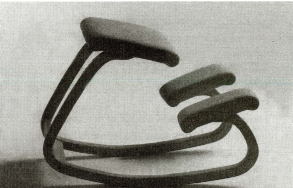
Not surprising, then, that marketers of the Norwegian Balance ("Balans") Chair have had to deal with the unwritten law of office status symbols, because their chair does not differentiate between the boss and the secretary.
بنابراین جای تعجب ندارد که بازاریابهای صندلی نروژی "بالانس" مجبور شدند با قانون نانوشته نمادهای جایگاه در دفاتر مواجه شوند، چون این صندلی بین رئیس و منشی تمایزی قائل نمیشود.
In the United States, the marketers of this chair were in trouble because it does not have a back, and the height of a chair's back is one of the "essential indicators of high social status."
در ایالات متحده، بازاریابهای این صندلی دچار مشکل شدند چون این صندلی تکیهگاه ندارد، و ارتفاع پشتی صندلی یکی از "شاخصهای اساسی جایگاه اجتماعی بالا" محسوب میشود.
In response, a leading manufacturer of balance chairs brought out a new line with high backs.
در واکنش به این مشکل، یکی از تولیدکنندگان اصلی صندلیهای بالانس، خط تولید جدیدی با پشتیهای بلند عرضه کرد.
One would think that the arrival of the home office would undermine the power of status in office furniture.
ممکن است تصور شود که ورود دفاتر خانگی میتواند قدرت نمادهای جایگاه در مبلمان اداری را تضعیف کند.
Surely here, of all places, one could develop a way of working based on personal physiological patterns.
مسلماً اگر قرار باشد جایی بر اساس الگوهای فیزیولوژیکی شخصی کار شکل بگیرد، خانه بهترین مکان است.
Advertisements for equipment for home offices show wood grain rather than metal shelving, desk systems, potted plants, Oriental rugs, family photos, and views out of residential windows.
تبلیغات برای تجهیزات دفتر خانگی، بیشتر چوب طبیعی بهجای قفسههای فلزی، سیستمهای میزی، گلدانها، فرشهای شرقی، عکسهای خانوادگی و منظره پنجرههای مسکونی را نشان میدهند.
The chairs, however, are the same ergonomic computer chairs being used to promote increased productivity in offices.
اما صندلیها همان صندلیهای ارگونومیک کامپیوتری هستند که برای افزایش بهرهوری در دفاتر کاری استفاده میشوند.
Ironically, many furniture companies targeting those with home offices offer an executive high-back chair, as well as a leather ergonomic chair, so you can, presumably, continue to feel like a big shot even while working at home!
بهطور طنزآمیز، بسیاری از شرکتهای مبلمان که مخاطبشان دارندگان دفتر خانگی هستند، صندلیهای اجرایی با پشتی بلند و همچنین صندلیهای ارگونومیک چرمی عرضه میکنند، تا شما بتوانید حتی در خانه هم همچنان احساس یک "شخص مهم" را داشته باشید!