

کتاب Focus on vocabulary جلد 1
chapter 26
لغات هدف
| English | Persian |
|---|---|
| affection | محبت، علاقه |
| diver | غواص |
| lion | شیر |
| seldom | به ندرت |
| aggressive | تهاجمی، پرخاشگر |
| fin | باله |
| menace | تهدید |
| soup | سوپ |
| campaign | کمپین، تبلیغات |
| fragile | شکننده، ضعیف |
| nuisance | مزاحمت، آزار |
| species | گونهها |
| catastrophic | فاجعهبار، مصیبتبار |
| headline | تیتر، سرخط |
| ocean | اقیانوس |
| vicious | وحشی، درنده |
| crop | محصول، برداشت |
| intimidate | ترساندن، تهدید کردن |
| poaching | شکار غیرقانونی |
| wolf | گرگ |
| decline | کاهش یافتن، افت کردن |
| jungle | جنگل |
| pose | ژست، موقعیت |
| zone | منطقه، ناحیه |
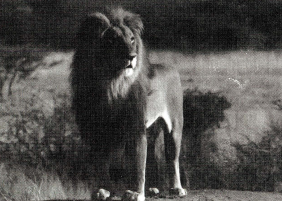
Pray for the Predators
برای شکارچیان دعا کنید
The financial cost of protecting endangered species is enormous.
هزینه مالی حفاظت از گونههای در معرض خطر بسیار زیاد است.
Since 1985, the World Wildlife Fund, a charity largely funded by public donations, has invested over $1 billion in endangered species.
از سال ۱۹۸۵، صندوق جهانی طبیعت، یک خیریه که عمدتاً از طریق کمکهای مردمی تأمین مالی میشود، بیش از ۱ میلیارد دلار در حفاظت از گونههای در معرض خطر سرمایهگذاری کرده است.
In 2007, U.S. federal and state spending on wildlife protection was around $1.65 billion.
در سال ۲۰۰۷، هزینههای فدرال و ایالتی ایالات متحده برای حفاظت از حیاتوحش حدود ۱.۶۵ میلیارد دلار بود.
What's more, wildlife protection campaigns frequently feature predator species, such as sharks, tigers, wolves, and lions, in their headlines even though these animals pose a direct threat to human lives and incomes.
علاوه بر این، کمپینهای حفاظت از حیاتوحش اغلب گونههای شکارچی مانند کوسهها، ببرها، گرگها و شیرها را در تیترهای خود قرار میدهند، حتی اگر این حیوانات تهدید مستقیمی برای جان و درآمد انسانها باشند.
So why protect them when they are so costly?
پس چرا باید از آنها محافظت کنیم وقتی که اینقدر هزینهبر هستند؟
Fishermen, divers, and surfers might indeed question the need to protect sharks.
ماهیگیران، غواصان و موجسواران ممکن است واقعاً سوال کنند که چرا باید از کوسهها محافظت کرد.
After all, in 2008 the International Shark Attack File (ISAF) reported that there were nearly sixty cases of attacks on humans.
بعد از همه، در سال ۲۰۰۸، فایل حملات کوسهها (ISAF) گزارش داد که نزدیک به شصت مورد حمله به انسانها ثبت شده است.
However, sharks do far more than intimidate swimmers.
با این حال، کوسهها فراتر از ترساندن شناگران کارهای بیشتری انجام میدهند.
As apex predators-species at the top of the food chain-they perform a key role in maintaining the fragile balance of the ocean ecosystems.
به عنوان شکارچیان اصلی - گونههایی در بالای زنجیره غذایی - آنها نقش کلیدی در حفظ تعادل شکننده اکوسیستمهای اقیانوسی ایفا میکنند.
For instance, coral reefs with lots of sharks have greater numbers of and a better variety of other fish species, particularly those that eat coral-killing algae.
برای مثال، مرجانهای دریایی با تعداد زیاد کوسه، تعداد و تنوع بیشتری از گونههای دیگر ماهی دارند، بهویژه آنهایی که جلبکهای کشنده مرجان را میخورند.
Also, where shark numbers have been severely reduced, the negative effects on ocean ecosystems are apparent.
علاوه بر این، جایی که تعداد کوسهها به شدت کاهش یافته است، اثرات منفی بر اکوسیستمهای دریایی واضح است.
For example, the number of large sharks off the east coast of the United States has declined by more than 50 percent and, as a result, there are now ten times as many cownose rays.
برای مثال، تعداد کوسههای بزرگ در سواحل شرقی ایالات متحده بیش از ۵۰ درصد کاهش یافته و در نتیجه، اکنون ده برابر بیشتر از قبل، سوزنسرهایی به نام «کوانوز» وجود دارد.
These rays eat shellfish, such as scallops and clams, which has severely damaged the U.S. scallop industry.
این سوزنسرها به صدفهایی مانند صدفهای خوراکی و حلزونها حمله میکنند که باعث آسیب شدید به صنعت صدف ایالات متحده شده است.
The fishing industry has also been affected; the drop in shellfish has led to a decline in water quality, which leaves coastal zones struggling to support large numbers of young fish.
صنعت ماهیگیری نیز تحت تاثیر قرار گرفته است؛ کاهش صدفها باعث کاهش کیفیت آب شده که این امر مناطق ساحلی را با مشکل در حمایت از تعداد زیادی ماهی جوان روبرو کرده است.
On land, the image of apex predators as vicious killers is also hard to ignore.
در خشکی، تصویر شکارچیان اصلی به عنوان قاتلان وحشی نیز دشوار است که نادیده گرفته شود.
Their apparently aggressive behavior means that they are seldom looked upon with much affection, especially in areas where life for local people is already very difficult.
رفتار بهظاهر تهاجمی آنها باعث میشود که اغلب با محبت زیادی به آنها نگاه نشود، بهویژه در مناطقی که زندگی برای مردم محلی از قبل بسیار دشوار است.
Take Tanzania for instance, where more than 300 people have been killed by lions since 1990.
برای مثال، تانزانیا را در نظر بگیرید که از سال ۱۹۹۰ بیش از ۳۰۰ نفر توسط شیرها کشته شدهاند.
However, the relationship between these predators and land-based ecosystems has been found to be just as connected as sharks are to ocean environments.
با این حال، رابطه بین این شکارچیان و اکوسیستمهای خشکی به همان اندازه که کوسهها به محیطهای دریایی متصل هستند، پیدا شده است.
Justin Brashares, a researcher at the University of California, has found that the falling number of lions in sub-Saharan Africa is the most likely cause of the sudden increase in baboons.
جاستین براشرز، محقق دانشگاه کالیفرنیا، یافته است که کاهش تعداد شیرها در آفریقای جنوب صحرای بزرگ، احتمالاً علت افزایش ناگهانی جمعیت میمونها است.
The growing baboon population is more than just a nuisance.
جمعیت رو به رشد میمونها بیش از یک مزاحمت ساده است.
The baboon presence in the area now threatens crop production on an unprecedented scale.
حضور میمونها در این منطقه اکنون تهدیدی جدی برای تولید محصولات کشاورزی به مقیاسی بیسابقه است.
It's even more difficult to convince people of the value of apex predators when conservation projects might result in these animals becoming more of a menace.
حتی قانع کردن مردم درباره ارزش شکارچیان اصلی زمانی دشوارتر میشود که پروژههای حفاظتی ممکن است باعث شوند این حیوانات بیشتر به یک تهدید تبدیل شوند.
In forest conservation areas in Nepal for example, tiger attacks have jumped to around seven per year.
برای مثال، در مناطق حفاظتشده جنگلی در نپال، حملات ببرها به حدود هفت مورد در سال افزایش یافته است.
Studies showing that the effects of not protecting apex predators are worse than the effects of protecting them are not limited to far-off Indian jungles or Africa grasslands.
مطالعاتی که نشان میدهند اثرات عدم حفاظت از شکارچیان اصلی بدتر از اثرات حفاظت از آنهاست، محدود به جنگلهای دورافتاده هند یا دشتهای آفریقا نمیشود.
In the United States, the reintroduction of wolves was fiercely criticized by farmers at the time it was first authorized.
در ایالات متحده، احیای مجدد گرگها در زمانی که برای اولین بار مجاز شد، به شدت توسط کشاورزان مورد انتقاد قرار گرفت.
However, the growing population has controlled elk numbers, which, in turn, has led to tree regeneration.
با این حال، جمعیت رو به رشد گرگها تعداد گوزنها را کنترل کرده است که به نوبه خود باعث تجدید نسل درختان شده است.
Other related effects include an increased variety of species, reduced erosion, and improved forest fire recovery rates.
اثرهای مرتبط دیگر شامل افزایش تنوع گونهها، کاهش فرسایش و بهبود نرخ بازیابی پس از آتشسوزیهای جنگلی است.
Coincidentally, wolves also attack coyotes, which are responsible for twenty-two times more livestock deaths than wolves and cost farmers and ranchers $7 million a year.
به طور تصادفی، گرگها همچنین به کایوتها حمله میکنند، که مسئول مرگ ۲۲ برابر بیشتر دامها نسبت به گرگها هستند و هر سال ۷ میلیون دلار برای کشاورزان و دامداران هزینه دارند.
Although apex predators may be costly in terms of lives and money, the overall returns on the conservation investment appear to outweigh individual losses.
اگرچه شکارچیان اصلی از نظر جان و پول هزینهبر هستند، اما بازده کلی سرمایهگذاری در حفاظت به نظر میرسد که از خسارات فردی بیشتر باشد.
So if ever you are tempted to try soup made from shark fins, or if you see a TV program showing the death of a big cat from poaching, consider the catastrophic effect these activities have up and down the food chain—from the smallest organisms at the bottom, to the number one predator at the top: us.
پس اگر روزی وسوسه شدید که سوپ تهیهشده از باله کوسه را امتحان کنید، یا اگر برنامه تلویزیونیای دیدید که مرگ یک گربه بزرگ را به علت شکار غیرقانونی نشان میدهد، به اثرات فاجعهبار این فعالیتها بر زنجیره غذایی فکر کنید - از کوچکترین موجودات در پایین زنجیره گرفته تا شکارچی شماره یک در بالای آن: ما.