

کتاب Focus on vocabulary جلد 1
chapter 25
لغات هدف
| English | Persian |
|---|---|
| autumn | پاییز |
| fabric | پارچه |
| novel | رمان، جدید |
| surrounding | اطراف، احاطه شده |
| conscience | وجدان |
| federation | اتحادیه، فدراسیون |
| recycle | بازیافت کردن |
| sustainable | پایدار، قابل دوام |
| discard | دور انداختن |
| fiber | الیاف |
| secondhand | دست دوم |
| textile | پارچه، نساجی |
| ease | راحتی، آسودگی |
| grave | grave (جدی، قبر) |
| sew | دوختن، بخیه زدن |
| trend | روند، گرایش |
| expenditure | هزینه، مخارج |
| lease | اجارهنامه |
| soil | خاک |
| triple | سهگانه، سه برابر |
| extraordinary | فوقالعاده، بینظیر |
| mend | ترمیم کردن، وصله زدن |
| stained | لکهدار، آلوده |
| turnover | چرخش، گردش |
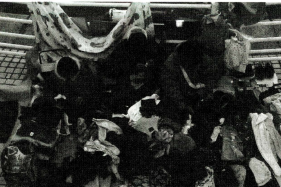
Fashion Victim or Environmental Victory?
قربانی مد یا پیروزی محیطزیستی؟
You are on your way home and you make a quick visit to the mall to see if there is anything novel or interesting in any of your favorite stores.
شما در راه خانهتان هستید و یک بازدید سریع از مرکز خرید میکنید تا ببینید آیا چیز جدید یا جالبی در یکی از فروشگاههای مورد علاقهتان هست یا نه.
Chances are there will be if you shop at any of the retail chains that use the fast fashion model of business.
اگر از یکی از فروشگاههای زنجیرهای که از مدل کسبوکار مد سریع استفاده میکنند خرید کنید، احتمالاً چیز جدیدی خواهید دید.
There's no longer any need to wait for a change of season (for example, from autumn to winter) to see a new collection of clothes, because fashion retailers are introducing new lines of clothing on a monthly, 2-3 or even weekly, basis.
دیگر نیازی نیست که برای تغییر فصل (مثلاً از پاییز به زمستان) منتظر بمانید تا یک مجموعه جدید از لباسها را ببینید، زیرا فروشندگان مد مجموعههای جدیدی از لباسها را بهطور ماهانه، دو تا سههفتهای یا حتی هفتگی معرفی میکنند.
Fast fashion retailers make it possible for fashion-conscious shoppers to stay current without breaking the bank by offering up low-priced clothes that follow the latest trends.
فروشندگان مد سریع این امکان را برای خریداران آگاه به مد فراهم میکنند تا بدون خرج زیاد، بهروز بمانند و لباسهای ارزانقیمتی را که از جدیدترین ترندها پیروی میکنند، خریداری کنند.
Over the past ten years, falling prices have led to extraordinary growth in expenditures on clothing.
در دهه گذشته، کاهش قیمتها باعث رشد فوقالعادهای در هزینهها برای خرید لباس شده است.
In Britain alone, shoppers spend over $37 billion per year on clothes, and the fast discount fashion sector makes up one-fifth of this market.
فقط در بریتانیا، خریداران بیش از ۳۷ میلیارد دلار در سال برای خرید لباس هزینه میکنند و بخش مد سریع تخفیفدار یکپنجم از این بازار را تشکیل میدهد.
In fact, there's so much shopping going on that our closets can't keep up, and people in developed countries are now discarding clothes at higher rates than ever before.
در واقع، آنقدر خرید لباس زیاد شده که کمدهای ما دیگر جوابگو نیستند و مردم در کشورهای توسعهیافته لباسهای خود را با سرعتی بیش از هر زمان دیگری دور میاندازند.
There's no thought of mending a hole or sewing on a new button when a new shirt can be bought for six or seven dollars.
وقتی میشود با شش یا هفت دلار یک پیراهن نو خرید، دیگر کسی به دوختن یک دکمه یا تعمیر یک سوراخ فکر نمیکند.
When a dress gets stained, why pay to dry-clean it when we can buy a new one instead?
وقتی یک لباس لک میشود، چرا باید هزینه خشکشویی بدهیم، وقتی میتوانیم یک لباس نو بخریم؟
According to the Environmental Protection Agency, the average American throws away more than 68 pounds of clothing and textiles per year.
طبق گفتهی سازمان حفاظت محیط زیست آمریکا، یک فرد آمریکایی به طور متوسط بیش از ۶۸ پوند (حدود ۳۱ کیلوگرم) لباس و منسوجات را در سال دور میاندازد.
So what happens to all of the clothes we throw away?
پس چه بلایی سر تمام لباسهایی که دور میاندازیم میآید؟
Clothing and textiles are the fastest growing waste product in Britain with 63 percent of unwanted clothes ending up in landfills and only 16 percent being recycled.
لباس و منسوجات سریعترین رشد را در میان زبالهها در بریتانیا دارند، بهطوریکه ۶۳ درصد از لباسهای غیرقابل استفاده به محل دفن زباله میروند و تنها ۱۶ درصد بازیافت میشوند.
This has serious consequences for the environment because many of today's clothes are made from synthetic fibers, which do not break down naturally.
این موضوع پیامدهای جدی برای محیطزیست دارد، زیرا بسیاری از لباسهای امروزی از الیاف مصنوعی ساخته شدهاند که بهطور طبیعی تجزیه نمیشوند.
This can create problems as water cannot flow into the soil, and chemicals from the fabrics release poisons into the surrounding air and water.
این میتواند مشکلاتی ایجاد کند، چون آب نمیتواند وارد خاک شود و مواد شیمیایی موجود در پارچهها، سمومی را وارد هوا و آب اطراف میکنند.
There are other options for our unwanted clothing.
برای لباسهای غیرقابل استفاده ما گزینههای دیگری هم وجود دارد.
Many of us ease our conscience about all this waste by donating our unwanted clothing to charities.
بسیاری از ما برای آرام کردن وجدانمان نسبت به این همه دورریز، لباسهای اضافی خود را به خیریهها اهدا میکنیم.
However, even charities cannot keep up with the turnover of clothing and end up selling the excess for recycling or export.
با این حال، حتی خیریهها هم نمیتوانند با این حجم چرخش لباسها همراه شوند و در نهایت مقدار اضافی را برای بازیافت یا صادرات میفروشند.
Since 1989, U.S. exports of used clothing and other worn textiles have more than tripled and now exceed 7 billion pounds per year.
از سال ۱۹۸۹، صادرات پوشاک دستدوم و سایر منسوجات مستعمل از آمریکا بیش از سه برابر شده و اکنون بیش از ۷ میلیارد پوند در سال است.
Many of these clothes get a new lease on life when they end up in the flourishing markets for secondhand clothes in Africa and Eastern Europe.
بسیاری از این لباسها زندگی دوبارهای پیدا میکنند وقتی وارد بازارهای پررونق لباس دستدوم در آفریقا و اروپای شرقی میشوند.
Clothing that is in good condition is highly sought after and provides consumers there with the opportunity to be smartly dressed.
لباسهایی که در وضعیت خوبی هستند، بسیار پرتقاضا هستند و به مصرفکنندگان آن مناطق فرصت پوشیدن لباسهای شیک را میدهند.
However, this virtuous circle of developed countries providing clothes for those in poorer countries is only sustainable if the clothing is well-made and durable.
با این حال، این دایره فضیلتآمیز که کشورهای توسعهیافته لباسهایی برای کشورهای فقیرتر فراهم میکنند، تنها در صورتی پایدار است که لباسها با کیفیت و مقاوم باشند.
Unfortunately, a major reason fast fashion clothes are so cheap is because of a decrease in the quality of materials and manufacturing.
متاسفانه، یکی از دلایل عمدهای که لباسهای مد سریع اینقدر ارزان هستند، کاهش کیفیت مواد و فرآیند تولید است.
This leaves less reason for developing countries to buy the poorly made clothing, and so will eventually lead to a fall in demand for Western castoffs.
این موضوع باعث میشود که کشورهای در حال توسعه دلایل کمتری برای خرید لباسهای بیکیفیت داشته باشند و در نهایت منجر به کاهش تقاضا برای لباسهای دورریختی غربی خواهد شد.
So we need to take a closer look at the economic and ecological impact of fast fashion.
پس باید نگاهی دقیقتر به تأثیرات اقتصادی و زیستمحیطی مد سریع بیاندازیم.
Both government bodies and the fashion federations are calling for eco approaches to fashion.
هم سازمانهای دولتی و هم فدراسیونهای مد خواستار رویکردهای زیستمحیطی به مد هستند.
For example, the British government used the occasion of London Fashion Week to launch its sustainable clothing action plan.
به عنوان مثال، دولت بریتانیا از فرصت هفته مد لندن برای معرفی برنامه اقدام لباسهای پایدار خود استفاده کرد.
The plan encourages everyone to consider the impact of a fashion item, from the cradle (its design) to the grave (its disposal).
این برنامه از همه میخواهد تا تأثیر یک لباس را از گهواره (طراحی آن) تا گور (دور انداختن آن) در نظر بگیرند.