

کتاب Focus on vocabulary جلد 1
chapter 19
لغات هدف
| English | Persian |
|---|---|
| colonize | استعمار کردن |
| forever | برای همیشه |
| protest | اعتراض |
| sophisticated | پیچیده، پیشرفته |
| crumble | خرد شدن، ریز ریز شدن |
| halt | ایستادن، توقف |
| publicize | علنی کردن، تبلیغ کردن |
| steal | دزدی کردن، ربودن |
| drown | غرق شدن |
| lens | لنز |
| receiver | گیرنده |
| stumble | لنگ لنگان راه رفتن |
| electronic | الکترونیکی |
| merge | ادغام کردن |
| ruin | ویران کردن، خراب کردن |
| thorny | خاردار، پر از مشکل |
| error | اشتباه، خطا |
| novel | رمان، جدید |
| salvation | رستگاری، نجات |
| trial | محاکمه، آزمون |
| filter | فیلتر کردن |
| outline | طرح کلی، چارچوب |
| sergeant | درجهدار، گروهبان |
| virus | ویروس |
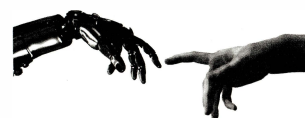
Rise of the Machines
ظهور ماشینها
The complex relationship between humans and technology has been a constant feature of modern life: from real-life protests during the Industrial Revolution in the seventeenth century, to the imaginary worlds of early science fiction novels of the late nineteenth century and movies in the twentieth and twenty-first centuries.
رابطه پیچیده بین انسانها و فناوری ویژگی ثابت زندگی مدرن بوده است: از اعتراضات واقعی در طول انقلاب صنعتی در قرن هفدهم، تا دنیایهای خیالی رمانهای علمی تخیلی اولیه در اواخر قرن نوزدهم و فیلمها در قرن بیستم و بیست و یکم.
During this time, technology has divided us into two basic groups: those who think technology will revolutionize humanity in a positive way and those who believe it will bring about our downfall.
در طول این زمان، فناوری ما را به دو گروه اساسی تقسیم کرده است: کسانی که فکر میکنند فناوری به طرز مثبت بشریت را متحول خواهد کرد و کسانی که باور دارند این فناوری باعث نابودی ما خواهد شد.
One area where technology could have a positive impact is human evolution.
یک حوزهای که فناوری میتواند تأثیر مثبت داشته باشد، تکامل انسان است.
Life forms have evolved over millions of years, surviving by constantly adapting to environmental changes.
موجودات زنده در طول میلیونها سال تکامل یافتهاند و با سازگار شدن مداوم با تغییرات محیطی بقا یافتهاند.
However, the conditions for continuing human evolutionary change are beginning to crumble away.
با این حال، شرایط برای ادامه تغییرات تکاملی انسان در حال فروپاشی است.
Humans have colonized most parts of the world and have become extremely mobile, thus limiting opportunities for human genes to develop, filter, and mutate—all of which is necessary for us to keep up with environmental changes.
انسانها بیشتر مناطق جهان را استعمار کردهاند و به طرز قابل توجهی متحرک شدهاند، بنابراین فرصتهای توسعه، فیلتر شدن و جهش ژنهای انسانی را محدود کردهاند - تمام این موارد برای این است که ما بتوانیم با تغییرات محیطی همگام شویم.
Some scientists believe that technology has the power to overcome this.
برخی از دانشمندان بر این باورند که فناوری قدرت غلبه بر این مشکل را دارد.
They say that at some point, human biology and machine technology will merge, thus allowing human evolution to continue forever.
آنها میگویند که در برخی نقاط، زیستشناسی انسان و فناوری ماشین با هم ادغام خواهند شد و بدین ترتیب تکامل انسان برای همیشه ادامه خواهد یافت.
In 2009, the case of an American army sergeant who lost his leg in the Afghan war was publicized.
در سال 2009، پرونده یک گروهبان ارتش آمریکا که در جنگ افغانستان پای خود را از دست داده بود، رسانهای شد.
He was fitted with a leg that contains a computerized (or bionic) knee that is able to monitor and adjust its own movement.
برای او پایی ساخته شد که دارای زانویی کامپیوتری (یا بیونیکی) بود که قادر به نظارت و تنظیم حرکت خود است.
In the same year, doctors implanted electronic devices into the eyes of a U.K. man who had been blind for thirty years.
در همان سال، پزشکان دستگاههای الکترونیکی را در چشمان مردی از انگلستان که به مدت سی سال نابینا بود، کاشتند.
These high-tech receivers have enabled him to see the outlines of objects and to read text.
این گیرندههای پیشرفته به او این امکان را دادهاند که خطوط اشیاء را ببیند و متن را بخواند.
Other exciting new possibilities include contact lenses that enable wearers to see computer displays and computer chips that could replace the part of the brain that stores short-term memories.
دیگر امکانات هیجانانگیز جدید شامل لنزهای تماسی است که به کاربران این امکان را میدهند تا نمایشگرهای کامپیوتری را ببینند و تراشههای کامپیوتری که میتوانند جایگزین بخشی از مغز شوند که خاطرات کوتاهمدت را ذخیره میکند.
A thornier vision of future human-technology relationships is based less on partnerships and more on technology taking over.
یک دیدگاه پیچیدهتر از روابط آینده انسان و فناوری کمتر بر شراکتها و بیشتر بر تسلط فناوری استوار است.
For example, some writers refer to an idea called "the technological singularity."
برای مثال، برخی از نویسندگان به ایدهای به نام "تکینگی فناوری" اشاره میکنند.
This is the point when computers with sufficient intelligence are able to create even better, faster, more intelligent machines than humans would ever be capable of creating.
این نقطه زمانی است که کامپیوترها با هوش کافی قادر به ایجاد ماشینهایی بهتر، سریعتر و هوشمندتر از آنچه که انسانها قادر به ایجاد آن هستند، میشوند.
This development of artificial intelligence (AI) would be beyond the control and understanding of human creators and could mark the beginning of our end.
این پیشرفت در هوش مصنوعی (AI) فراتر از کنترل و درک خالقان انسانی خواهد بود و ممکن است آغاز پایان ما باشد.
However, the development of more advanced computer intelligence is proving to be more challenging than anticipated.
با این حال، توسعه هوش کامپیوتری پیشرفتهتر در حال نشان دادن چالشهای بیشتری نسبت به آنچه که پیشبینی میشد، است.
One trial to determine whether a computer appears to "think" involves a human judge having two conversations, one with a human and one with a machine.
یک آزمایش برای تعیین اینکه آیا یک کامپیوتر به نظر میرسد که "فکر میکند" شامل دو مکالمه است، یکی با یک انسان و یکی با یک ماشین.
If the human judge is unable to distinguish between them, then the machine has passed the test.
اگر قاضی انسانی نتواند آنها را از هم تمایز دهد، آنگاه ماشین از این آزمایش عبور کرده است.
To date, no computer has succeeded.
تا به امروز، هیچ کامپیوتری موفق نشده است.
The key area where AI stumbles is the ability to make connections between seemingly unconnected things in order to generate creative thought.
منطقه کلیدی که هوش مصنوعی در آن دچار مشکل میشود، توانایی برقراری ارتباط بین چیزهایی است که ظاهراً به هم مرتبط نیستند، بهمنظور تولید تفکر خلاق.
However, AI is getting more sophisticated: Machines have created music and played games that have fooled human judges; devices tell lifeguards if someone is drowning; and computers control traffic flow in our cities.
با این حال، هوش مصنوعی در حال پیچیدهتر شدن است: ماشینها موسیقی ساختهاند و بازیهایی انجام دادهاند که قاضیهای انسانی را فریب داده است؛ دستگاهها به نجاتدهندگان میگویند که آیا کسی در حال غرق شدن است؛ و کامپیوترها جریان ترافیک در شهرهای ما را کنترل میکنند.
But, as for computers actually taking over, there is currently very little evidence to support this.
اما در مورد اینکه کامپیوترها واقعاً کنترل را به دست بگیرند، در حال حاضر شواهد بسیار کمی برای پشتیبانی از این موضوع وجود دارد.
Despite fears of computer viruses stealing personal information, computers communicating between themselves, and computer systems replacing human workforces, there is no evidence of computers actually taking over our lives any time soon.
با وجود نگرانیها در مورد ویروسهای کامپیوتری که اطلاعات شخصی را سرقت میکنند، ارتباط کامپیوترها با یکدیگر و سیستمهای کامپیوتری که نیروی کار انسانی را جایگزین میکنند، هیچ شواهدی وجود ندارد که نشان دهد کامپیوترها به زودی کنترل زندگی ما را به دست خواهند گرفت.
Keeping on top of the situation is a new organization called the Association for the Advancement of Artificial Intelligence (AAAI).
نظارت بر وضعیت توسط یک سازمان جدید به نام "انجمن پیشرفت هوش مصنوعی" (AAAI) انجام میشود.
This group looks at the potential impact of current advances in AI.
این گروه به بررسی تأثیرات بالقوه پیشرفتهای کنونی در هوش مصنوعی میپردازد.
A similar group was set up in the 1970s to look at emerging advances in DNA technology and accurately predicted the emergence of genetic engineering in humans and genetically modified crops, which were hitherto unknown.
گروهی مشابه در دهه 1970 برای بررسی پیشرفتهای در حال ظهور در فناوری DNA تشکیل شد و به دقت پیشبینی کرد که مهندسی ژنتیک در انسانها و محصولات تراریخته ظهور خواهد کرد، موضوعاتی که پیش از آن ناشناخته بودند.
So, maybe the AAAI knows something we don't.
پس شاید AAAI چیزی میداند که ما نمیدانیم.
To sum up, we are still some ways off from making an informed prediction about whether technology will be our salvation or will ruin our lives.
در نهایت، هنوز فاصله زیادی داریم تا پیشبینی دقیقی در مورد اینکه آیا فناوری نجاتدهنده ما خواهد بود یا زندگیمان را خراب خواهد کرد، ارائه دهیم.
But it would be an error to assume that advances in technology will ever halt, as computer scientist John von Neumann did fifty years ago when he stated, "It would appear we have reached the limits of what is possible to achieve with computer technology."
اما فرض اینکه پیشرفتهای فناوری هرگز متوقف خواهند شد اشتباه خواهد بود، همانطور که دانشمند کامپیوتر جان فون نویمان پنجاه سال پیش گفته بود: "به نظر میرسد که ما به محدودیتهای آنچه که با فناوری کامپیوتری میتوان به دست آورد، رسیدهایم."